The University Bookman
Reviewing Books that Build Culture
Join Kirktober and help support the mission of the University Bookman
Each week the Bookman brings you fresh reviews of the books that build culture, and essays that enliven the Permanent Things. Last year nearly 90,000 visitors engaged with the Bookman’s reviews, all free of charge and with no advertising to disrupt the reading experience. Our writers are touching hearts and minds across the globe with their reviews, bringing wisdom, creativity, and beauty to bear on the most important conversations happening in literature and culture.
Would you consider a gift to help us continue this work?
If just 1 in 4 of our readers contributed $10, we’d dramatically increase our capacity to recruit the brightest young writers and tackle more books and topics, all with a Kirkian angle. We’ve set a goal of raising $20k this month in order to continue our mission. Exceeding this amount will allow us to expand our work even more.
If you love the Bookman, and read us with regularity, we’d greatly appreciate your generous support this month.
With gratitude,
Luke Sheahan, Ph.D., editor
The University Bookman
P.S. As a special thank you to all Bookman supporters this month, we’ll send you a link to an audio recording of Ex Tenebris, one of Kirk’s best ghostly short stories. We think you’ll really enjoy it.
Campaign Progress

Celebrate “Kirktober” by Supporting The University Bookman
Help us reach our $20k goal this “Kirktober”
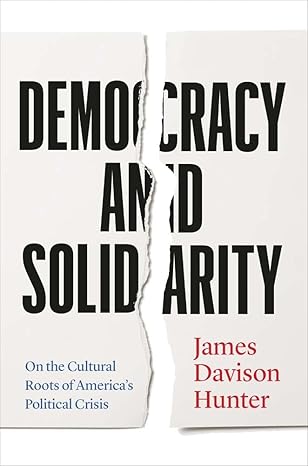
Hope—Is It Warranted at This Point?
“The past generation of American life, on Hunter’s account, has been one of intensifying ‘exhaustion’ and distrust, as the sources of pluralism have multiplied, and the endlessly ‘worked-through’ soil of the hybrid-Enlightenment has come to seem dry and depleted, no longer able to provide plausible accounts of human nature and the meaning of history that a majority of Americans can sign onto.”
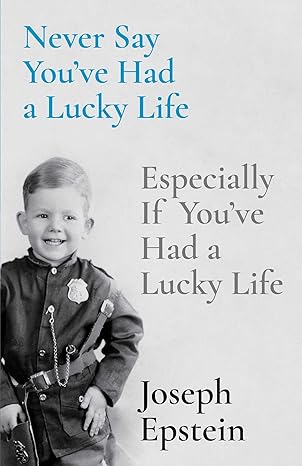
The Life of Joseph Epstein
“This might have been a highly political book detailing the evolution of a conventional Cold War liberal into the conservative that he is regarded as being (even if he doesn’t label himself as such in these pages). It might have been, but it isn’t. No, this memoir was written simply because Epstein sees his life as ’emblematic of the times’ and secondly because he sees himself as having acquired the literary skill necessary to ‘recount that life well.'”
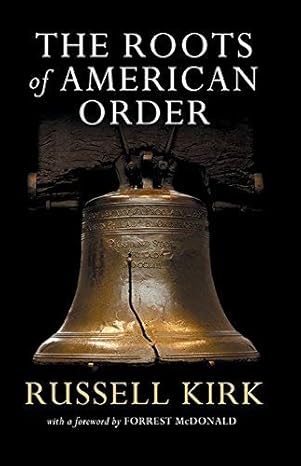
Order for a Disordered Time
“When one thinks of order one might think of the phrase law and order. Kirk explains, however, that order is wider and larger than law.”
Kirk’s Constitution: From the Roots to the End of American Order?
“The tragedy is that Kirk was correct: our Constitution was grounded in a deeper tradition, embodied in the people’s habits of thought and social practice, its religion, its historical common mind, its recognition of the importance and nature of order in the soul and, from it, order in the commonwealth. It is this tradition—this people—we have more than half lost. From this loss we have lost our public order, along with the Constitution that once supported it through good, legitimate law. “
Kirk’s American Founding Documents and the Unwritten Constitution
“…[Kirk] understands that workable written constitutions must be based on an underlying and unwritten constitution found in the culture of the people.”
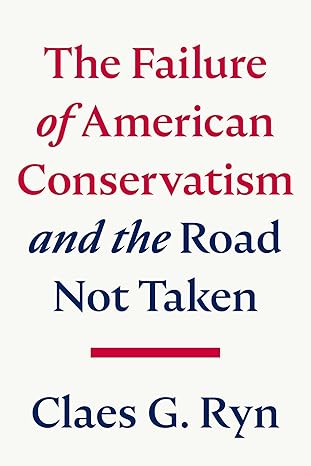
The Babbitt School of Conservatism
“Viereck and Kirk—the one a Pulitzer-winning poet, the other a highly regarded author of eerie fiction—understood the nexus of morality, imagination, and politics. But the businessmen, journalists, policy experts, and politicians who came to define the conservative movement just a few years after the appearance of The Conservative Mind did not.”
The Conservative Need for Conservative Philosophy
“Ryn does not take sides in the ideological wars but urges conservatives to reject ideology altogether and to engage in deeper philosophical thinking. Philosophy does the opposite of ideology. It recognizes complexity and gropes toward a deeper understanding of reality that builds on the insights of previous thinkers. There are no final answers in true philosophy… Moreover, monistic, ideological thinking is inconsistent with constitutional politics, which requires compromise and consensus.”
A Half Century of Conservative Criticism
“…the most important theme of his essays suggests that all the common answers about where conservatism went wrong avoid a more fundamental one: conservatives have been too obsessed with politics.”
The Book Gallery
A collection of conversations with Bookman editor Luke C. Sheahan and writers and authors of imagination and erudition. Click on the icon in the upper right corner of the video to see more episodes in this series or check out our YouTube page.


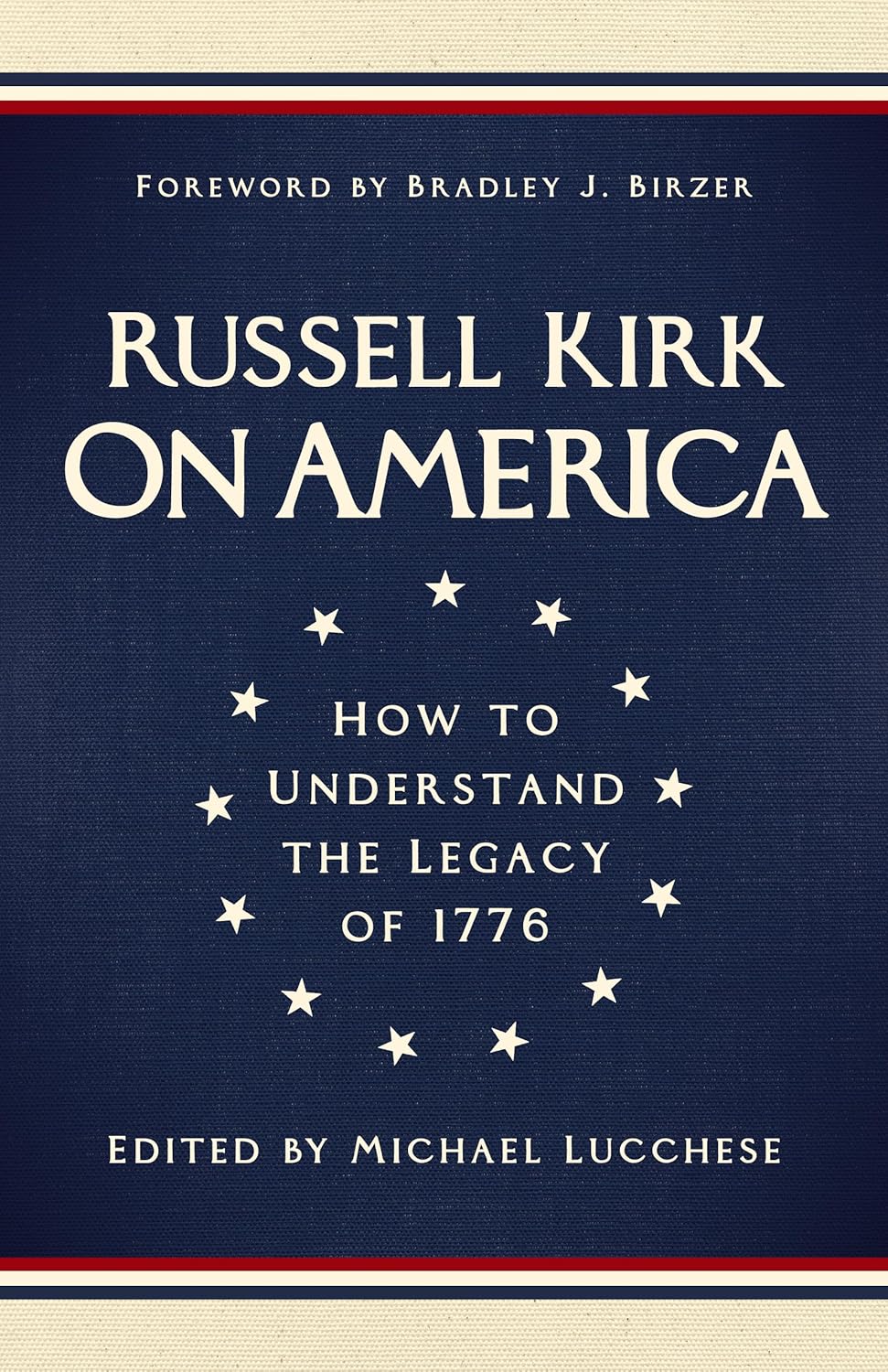
Kirk saw poetry, fiction, tradition, and restraint as essential to understanding America and preserving its character. In his review of "On America," @cjscalia explores Kirk’s vision of the founding, statesmanship, literature, and the enduring ideas that have shaped the republic.
Shop through Creed and Culture Publishing