
Kirktober 2026
Support The University Bookman this October
Join Kirktober and help sustain the University Bookman.
Each week, the Bookman brings readers fresh reviews of the books that build culture and essays that enliven the Permanent Things. Nearly 90,000 visitors engaged with this work last year—all freely available, without advertising to interrupt the reading experience.
Our writers bring wisdom, creativity, and beauty to the questions that matter most in literature and culture. Your gift helps us recruit promising young writers, pay reviewers, and keep this work available to readers everywhere.
In 2027, we plan to work with more than 30 writers to publish 150 reviews and essays in our online journal, The University Bookman, and reach nearly 100,000 readers. We are seeking to raise $20,000 during October to continue the Bookman‘s mission.
Will you help carry this work forward?
With gratitude,
Luke Sheahan, Ph.D., editor
The University Bookman
Campaign Progress
Our Gift To You
Every Kirktober supporter will receive a link to an audio recording of Russell Kirk’s ghostly short story, Ex Tenebris, as a small thank-you.

Recent Book Reviews
Meet two of the writers behind The University Bookman
The Bookman is sustained by writers who bring learning, imagination, and conviction to the books and ideas that shape culture.
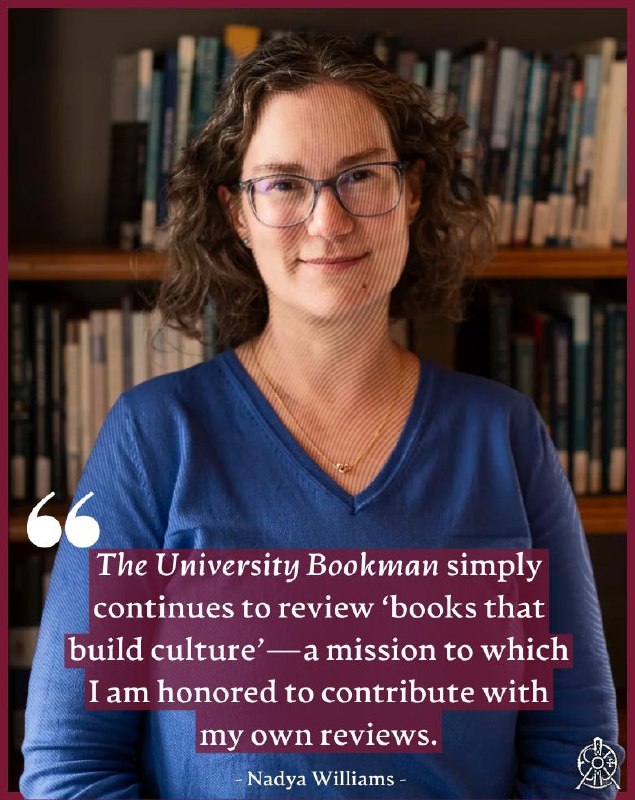
Nadya Williams
Nadya Williams, PhD in Classics from Princeton University, is a writer and editor based in Ashland, Ohio. She is Senior Fellow in the Ashbrook Center and Interim Director of the MFA in Creative Writing at Ashland University.
She is Managing Editor at Mere Orthodoxy, where she hosts the Christians Reading Classics Podcast, and serves as a contributor or editor for Christianity Today, Front Porch Republic, Providence Magazine, and Fairer Disputations.
“The past couple of years have been a time of seemingly endless jeremiads about the decline of reading, literacy, and books. But in the midst of such chaos, The University Bookman simply continues to review ‘books that build culture’—a mission to which I am honored to contribute with my own reviews.”
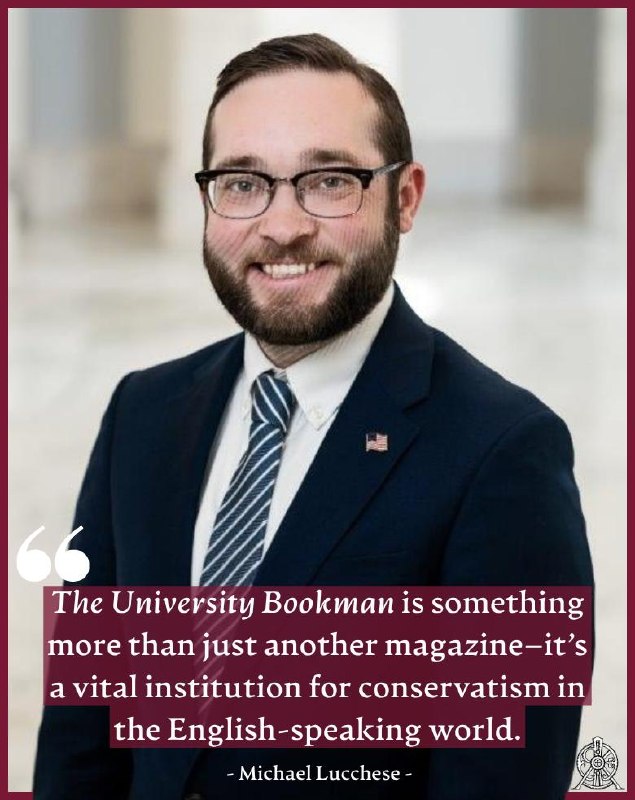
Michael Lucchese
Michael Lucchese is founder and CEO of Pipe Creek Consulting, a communications firm based in Washington, D.C. He is also an associate editor of Law and Liberty, a contributing editor to Providence, and a member of the Philadelphia Society and the Academy of Philosophy and Letters.
Previously, he was a Krauthammer Fellow with the Tikvah Fund, a Visiting Scholar at Liberty Fund, and an aide to U.S. Senator Ben Sasse. His writing has appeared in the Wall Street Journal, National Review, and the Washington Examiner.
“The University Bookman is something more than just another magazine—it’s a vital institution for conservatism in the English-speaking world. I know that it helped me find ways to engage the great conversation as a new writer, and I will be forever grateful for its support and encouragement.”
At a time when it is difficult to know which journals and sources to trust, the Bookman remains a reliable guide to today’s cultural and literary influences in light of the Permanent Things.