The University Bookman
Reviewing Books that Build Culture
Join Kirktober and help support the mission of the University Bookman
Each week the Bookman brings you fresh reviews of the books that build culture, and essays that enliven the Permanent Things. Last year nearly 90,000 visitors engaged with the Bookman’s reviews, all free of charge and with no advertising to disrupt the reading experience. Our writers are touching hearts and minds across the globe with their reviews, bringing wisdom, creativity, and beauty to bear on the most important conversations happening in literature and culture.
Would you consider a gift to help us continue this work?
If just 1 in 4 of our readers contributed $10, we’d dramatically increase our capacity to recruit the brightest young writers and tackle more books and topics, all with a Kirkian angle. We’ve set a goal of raising $20k this month in order to continue our mission. Exceeding this amount will allow us to expand our work even more.
If you love the Bookman, and read us with regularity, we’d greatly appreciate your generous support this month.
With gratitude,
Luke Sheahan, Ph.D., editor
The University Bookman
P.S. As a special thank you to all Bookman supporters this month, we’ll send you a link to an audio recording of Ex Tenebris, one of Kirk’s best ghostly short stories. We think you’ll really enjoy it.
Campaign Progress
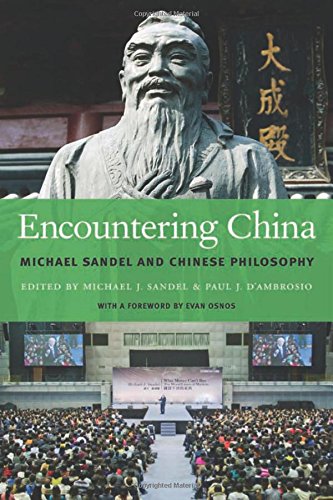
Sandel in China
Jason Morgan reviews Encountering China: Michael Sandel and Chinese Philosophy.
Making Silly People Uncomfortable
A conversation with the acclaimed philosopher John Gray about his most recent book and his thoughts on Christianity and the decline of liberalism.
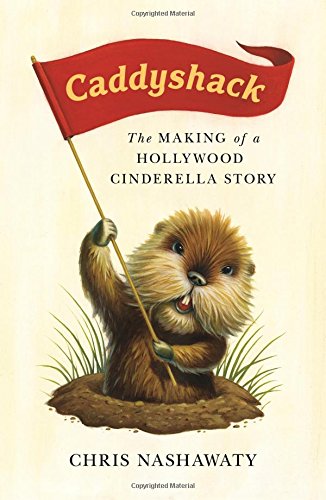
Caddyshack and the Counterculture Takeover of American Humor
Mark Judge reviews Chris Nashawaty’s Caddyshack: The Making of a Hollywood Cinderella Story and learns how American comedy was changed by the counterculture in the 1960s and 70s.
Permanent Like Achilles
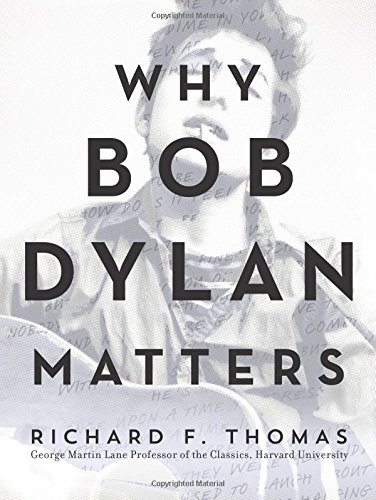
Bob Dylan took Latin. Patrick J. Burns reviews Why Bob Dylan Matters, an insightful reflection on Dylan’s investment and, ultimately, his participation, in the Western literary tradition by Richard Thomas.
The (Mis)measure of Man
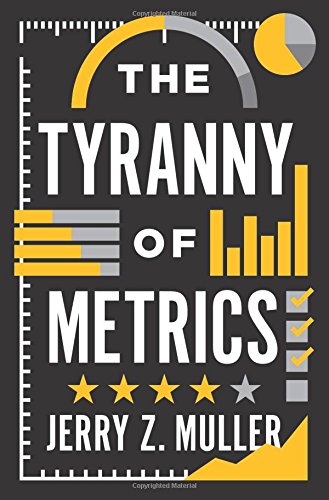
One way of defining “rationalism” (when the term is understood as a flaw rather than a virtue) is that it is the attempt to replace experience by technique. In his important new book, historian Jerry Muller takes on a particular species of rationalism: our modern fixation on replacing expert judgment with might be described as “the dictatorship of the quantifiable.”
Athwart Silicon Valley
There’s a phrase once heard in television commercials and now common on social media: life comes at you fast. The social media gag is often used to expose pundits who advocated position X two years ago, and now advocate position Y.
The Two Minds that Made Europe
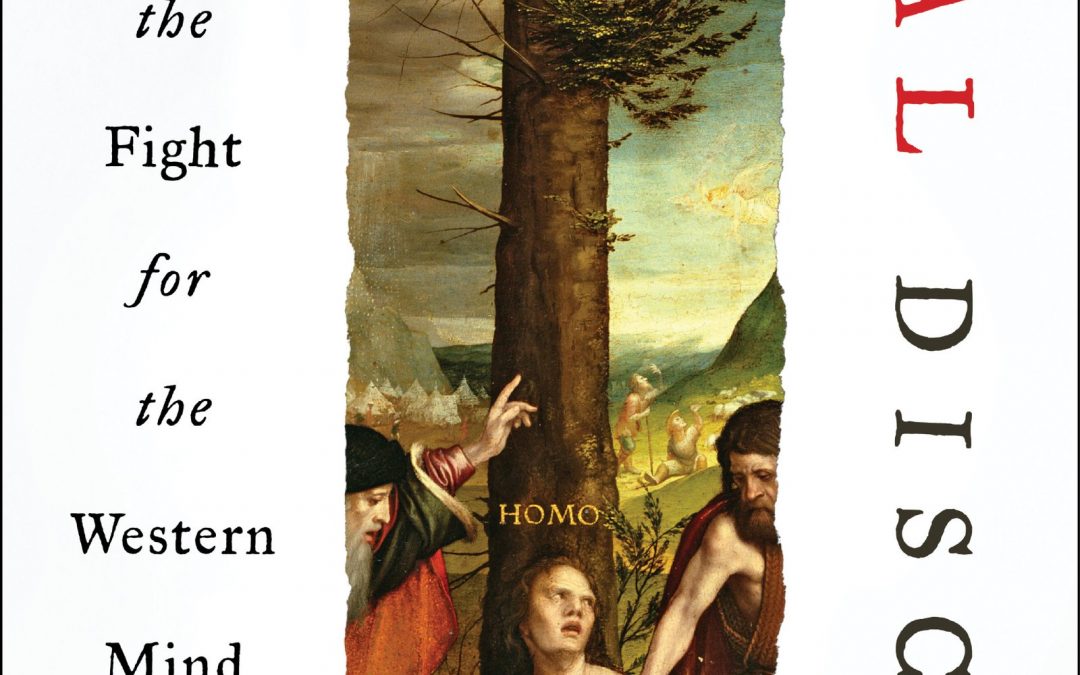
Michael Massing’s thesis in this massive undertaking, Fatal Discord, argues that the rift between Erasmus and Luther—now some five hundred years past—defines the rippling course then taken by the Western mind.

Put In This World to Do Battle
Imaginative Conservatism will be of primary interest to fans of Russell Kirk and those interested in the history of twentieth-century conservative thought. Kirk was one of the foremost voices of American conservatism and this look into his personal correspondence is invaluable to understand the man and the movement.
Philanthropy Is Not Charity
In The Philanthropic Revolution, Jeremy Beer succeeds in his two-pronged effort to delineate charity from philanthropy, both in their actual practice and in their distinct origins, and to expose the long-ignored skeletons of philanthropy’s deep, historical closets.
The Book Gallery
A collection of conversations with Bookman editor Luke C. Sheahan and writers and authors of imagination and erudition. Click on the icon in the upper right corner of the video to see more episodes in this series or check out our YouTube page.


Did you hear? This month a generous supporter has offered to MATCH every gift up to $5k for the Kirktober campaign in support of the mission of @ubookman: https://buff.ly/PECA0Az.
@ubookman @NadyaWilliams81 "The past couple of years have been a time of seemingly endless jeremiads about the decline of reading, literacy, and books..in the midst of such chaos, @ubookman simply continues to review ‘books that build culture’—a mission to which I am honored to contribute.”
Shop through Creed and Culture Publishing