The University Bookman
Reviewing Books that Build Culture
Join Kirktober and help support the mission of the University Bookman
Each week the Bookman brings you fresh reviews of the books that build culture, and essays that enliven the Permanent Things. Last year nearly 90,000 visitors engaged with the Bookman’s reviews, all free of charge and with no advertising to disrupt the reading experience. Our writers are touching hearts and minds across the globe with their reviews, bringing wisdom, creativity, and beauty to bear on the most important conversations happening in literature and culture.
Would you consider a gift to help us continue this work?
If just 1 in 4 of our readers contributed $10, we’d dramatically increase our capacity to recruit the brightest young writers and tackle more books and topics, all with a Kirkian angle. We’ve set a goal of raising $20k this month in order to continue our mission. Exceeding this amount will allow us to expand our work even more.
If you love the Bookman, and read us with regularity, we’d greatly appreciate your generous support this month.
With gratitude,
Luke Sheahan, Ph.D., editor
The University Bookman
P.S. As a special thank you to all Bookman supporters this month, we’ll send you a link to an audio recording of Ex Tenebris, one of Kirk’s best ghostly short stories. We think you’ll really enjoy it.
Campaign Progress
Cracking Jokes at the Crack of Doom
In the lobby of the Ford’s Theatre Center for Education and Leadership in Washington, D.C. stands a three-and-a-half-story tower of Lincoln books. It contains fewer than half of the fifteen thousand books—and counting—published about the sixteenth president.
The Cycles of Networked History?
Niall Ferguson’s The Square and the Tower is a short, sometimes too short, book that provides an interesting new perspective on history and how individuals’ personal networks—and networks of nations and corporate entities like businesses and associations—shape it
From Hope to Hope: On the Mind of Man
Father Schall spends time with an essay of Samuel Johnson about what we seek when we speculate about the future.
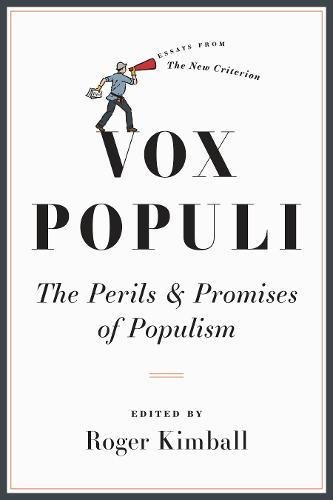
The Questions Behind Populism
Over the course of the 2016 Presidential election, Americans became very familiar with the resurgence of an old “ism”: populism. Elites attempted to revive the word as an accusation, one they hurled at Donald Trump and his supporters as on “the wrong side of history.”
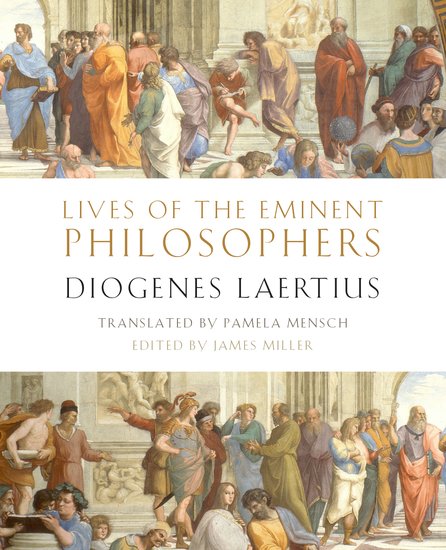
Which Philosophers Lived Their Thought?
When Nietzsche was still a classical philologist, not the Hyperborean philosopher he would become, he studied the work of Diogenes Laertius and was not impressed.
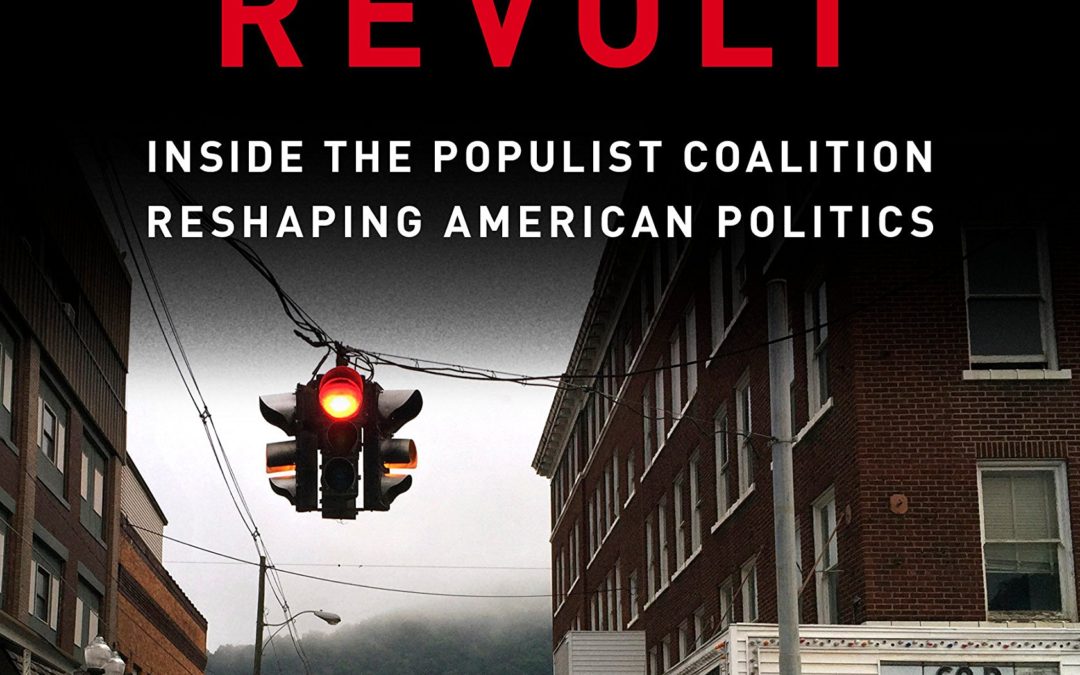
The Dismissed in Revolt
The Great Revolt: Inside the Populist Coalition Reshaping American Politics by Salena Zito and Brad Todd. Crown Forum, 2018. Hardcover, 309 pages, $28. Addison Del Mastro “We as a country cannot just let our fellow Americans be left behind, dismissed because someone...

A Place on the Walls
How a home is decorated communicates the essence of the people living there. Even the briefest of glances can give a visitor insight into the personalities, religion, family ties, perhaps even the political inclinations of the inhabitants.
Reoccupying the City
TO THE POINT: TUESDAY, OCTOBER 24, 1967 Will we presently behold an exodus from the suburbs back to the city? Such a development would do more to save our urban life than could any amount of urban-renewal and model-cities subsidies. It is not impossible. Many...
The Necessity for a General Culture
“What Does Culture Mean?” From America’s British Culture, pp. 1–3 This slim book is a summary account of the culture that the people of the United States have inherited from Britain. Sometimes this is called the Anglo-Saxon culture—although it is not simply English,...
The Book Gallery
A collection of conversations with Bookman editor Luke C. Sheahan and writers and authors of imagination and erudition. Click on the icon in the upper right corner of the video to see more episodes in this series or check out our YouTube page.


Did you hear? This month a generous supporter has offered to MATCH every gift up to $5k for the Kirktober campaign in support of the mission of @ubookman: https://buff.ly/PECA0Az.
@ubookman @NadyaWilliams81 "The past couple of years have been a time of seemingly endless jeremiads about the decline of reading, literacy, and books..in the midst of such chaos, @ubookman simply continues to review ‘books that build culture’—a mission to which I am honored to contribute.”
Shop through Creed and Culture Publishing