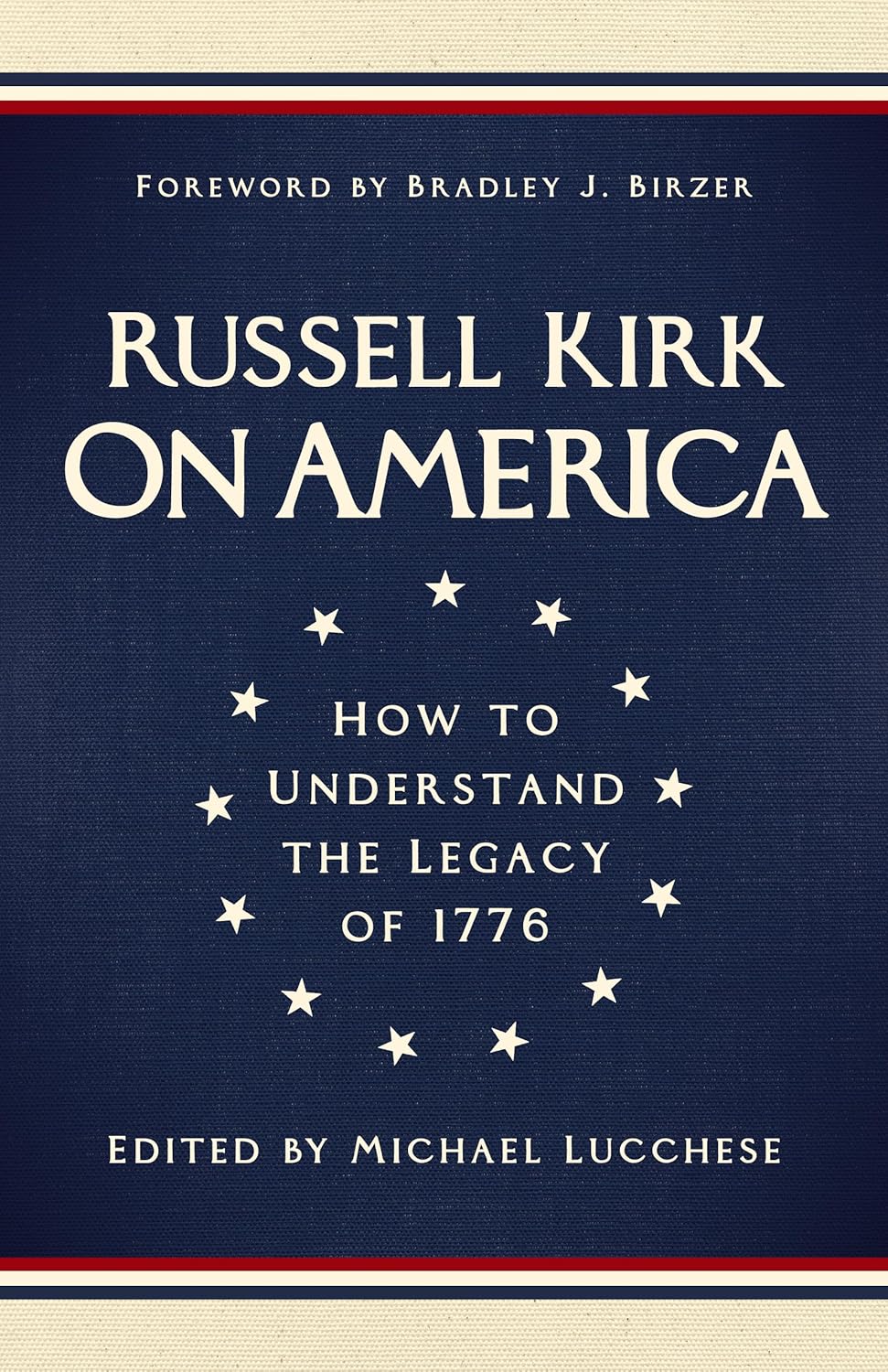
The University Bookman
Reviewing Books that Build Culture
Join Kirktober and help support the mission of the University Bookman
Each week the Bookman brings you fresh reviews of the books that build culture, and essays that enliven the Permanent Things. Last year nearly 90,000 visitors engaged with the Bookman’s reviews, all free of charge and with no advertising to disrupt the reading experience. Our writers are touching hearts and minds across the globe with their reviews, bringing wisdom, creativity, and beauty to bear on the most important conversations happening in literature and culture.
Would you consider a gift to help us continue this work?
If just 1 in 4 of our readers contributed $10, we’d dramatically increase our capacity to recruit the brightest young writers and tackle more books and topics, all with a Kirkian angle. We’ve set a goal of raising $20k this month in order to continue our mission. Exceeding this amount will allow us to expand our work even more.
If you love the Bookman, and read us with regularity, we’d greatly appreciate your generous support this month.
With gratitude,
Luke Sheahan, Ph.D., editor
The University Bookman
P.S. As a special thank you to all Bookman supporters this month, we’ll send you a link to an audio recording of Ex Tenebris, one of Kirk’s best ghostly short stories. We think you’ll really enjoy it.
Campaign Progress
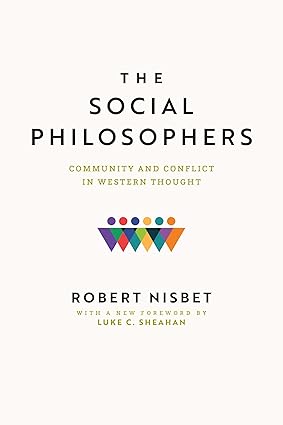
The Social Philosophers: A Reading for the Present
“…in Nisbet’s reading, conflict fulfills a paradoxical function: it is, to a large extent, the experience of uprooting and rupture that most strongly awakens the need for community. In other words, the longing for community becomes more conscious and pressing where community has been lost or weakened.”
A Sociology of the Permanent Things: Nisbet’s Tocquevillian Philosophy
“The great crisis of our time, which Tocqueville prophesied and Nisbet diagnosed, is the collapse of those intermediary institutions that can resist the drift toward democratic despotism.”
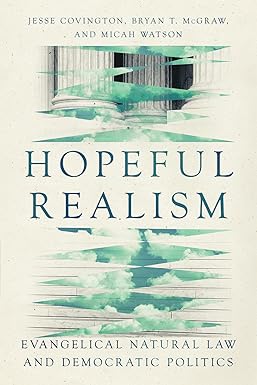
Natural Law and the Need for Moral Clarity
“Christians need clarity on the way their faith shapes their political activity. This ambiguous book fails to provide that clarity.”
Moral Realism Over and Against Contingent Pluralism
“The challenge for… all natural law theorists is the proper ordering and integration of the contingencies of a given culture and the universality of the primary precepts of natural law.”
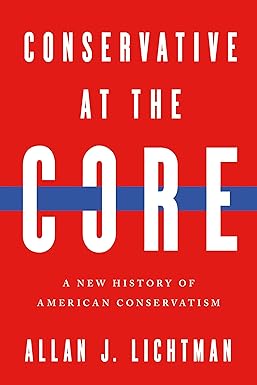
History on Improper Principles
“The condescending attitude—even animus—behind this book is, in fact, among the reasons Trump came to power in the first place. Voters, clearly sick of being sneered at by elites like Lichtman and his colleagues in the established commentariat, have turned to populism as an outlet for their frustrations.”
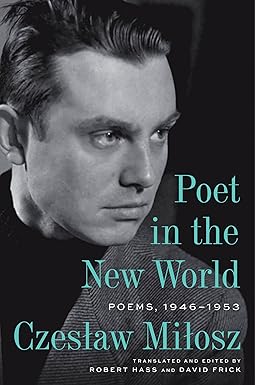
Man’s Exposed Condition in a World of Severe Conflict
“When Czeslaw Milosz was awarded the Nobel Prize in 1980, he was introduced as a writer ‘who with uncompromising clearsightedness voices man’s exposed condition in a world of severe conflicts.’ As it is, he’s a poet of history whose warnings about despots carry a terrible weight… Here is a man who, from his exile, remembers his European homeland, his Poland, as a place of Gothic cathedrals, of Baroque churches and, yes, ‘synagogues filled with the wailing of a wronged people.’”
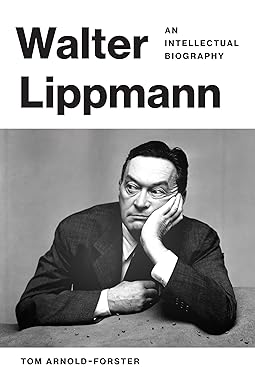
Revisiting Walter Lippmann
“Lippmann sought to be—and was—what might be described today as an influencer. As such, he never sought to wield power, but he long desired to have the ears and eyes of the powerful. Arnold-Forster is certainly not unaware of that. But it is never his central message. If there is such a message in these pages, and there is, it is his effort to make the reader aware that Walter Lippmann, believer in and defender of the efficacy of progressive government, was also Walter Lippmann, believer in and defender of both the reality and importance of empire in general and of the American empire in particular.”
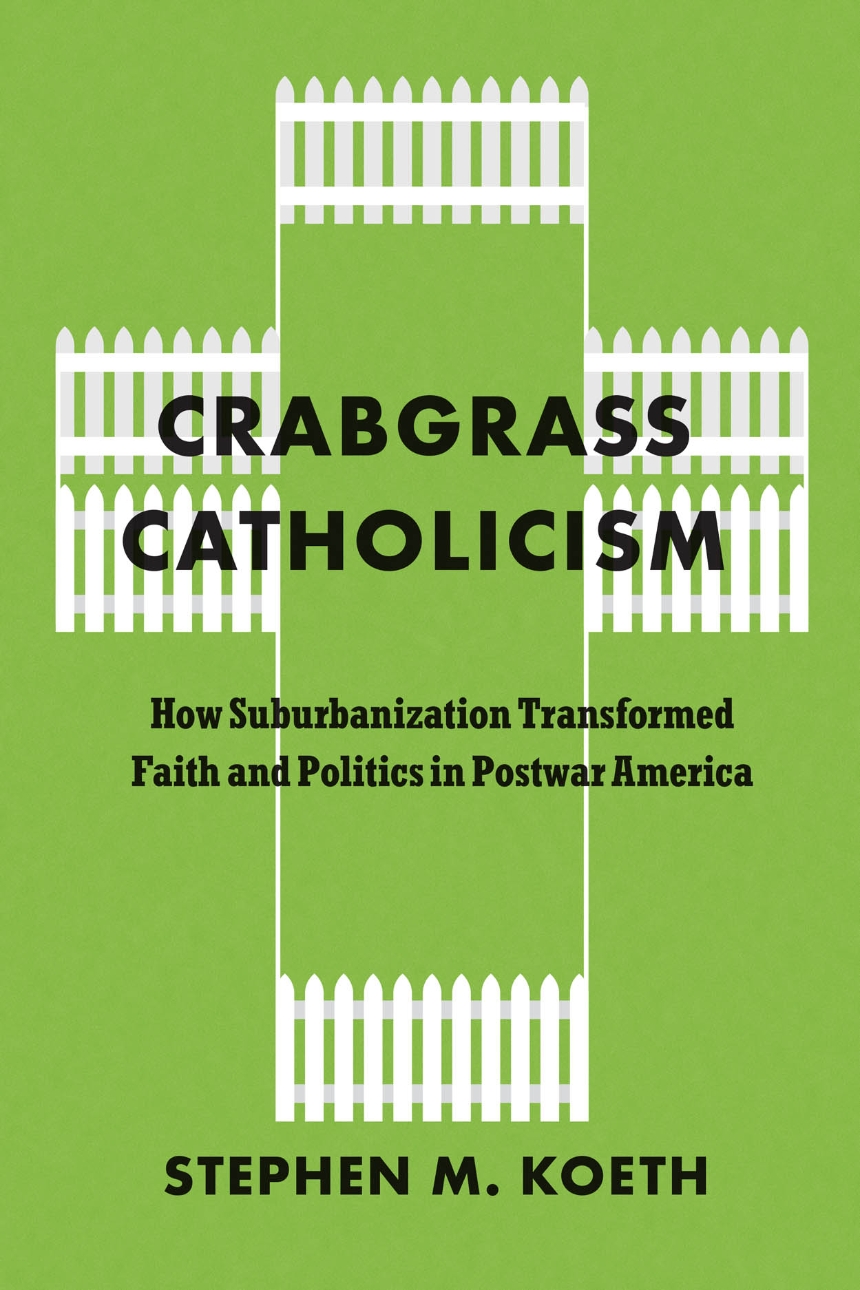
Family Homes and Drive-in Churches
“After the optimism of the suburban boom, it all went bust. Mass attendance fell by 70 percent. Women’s religious life died out. Parochial education was crippled… The green grass of suburbia was starved into a desiccated, brown waste.”

William F. Buckley Jr.: Literary Figure
“…the American public intellectual might best be appreciated as a literary figure. Producing about 350,000 words for publication yearly at the peak of his career, Buckley was never at a loss for what to say or how to say it.”
The Book Gallery
A collection of conversations with Bookman editor Luke C. Sheahan and writers and authors of imagination and erudition. Click on the icon in the upper right corner of the video to see more episodes in this series or check out our YouTube page.


@ubookman Plus every donor will receive a new audio recording of Kirk's "Ex Tenebris," a great ghostly listen! Help @ubookman reach $20k and continue to review the books that build culture: https://buff.ly/MLnMl4e
Did you hear? This month a generous supporter has offered to MATCH every gift up to $5k for the Kirktober campaign in support of the mission of @ubookman: https://buff.ly/PECA0Az.
Shop through Creed and Culture Publishing