The University Bookman
Reviewing Books that Build Culture
Join Kirktober and help support the mission of the University Bookman
Each week the Bookman brings you fresh reviews of the books that build culture, and essays that enliven the Permanent Things. Last year nearly 90,000 visitors engaged with the Bookman’s reviews, all free of charge and with no advertising to disrupt the reading experience. Our writers are touching hearts and minds across the globe with their reviews, bringing wisdom, creativity, and beauty to bear on the most important conversations happening in literature and culture.
Would you consider a gift to help us continue this work?
If just 1 in 4 of our readers contributed $10, we’d dramatically increase our capacity to recruit the brightest young writers and tackle more books and topics, all with a Kirkian angle. We’ve set a goal of raising $20k this month in order to continue our mission. Exceeding this amount will allow us to expand our work even more.
If you love the Bookman, and read us with regularity, we’d greatly appreciate your generous support this month.
With gratitude,
Luke Sheahan, Ph.D., editor
The University Bookman
P.S. As a special thank you to all Bookman supporters this month, we’ll send you a link to an audio recording of Ex Tenebris, one of Kirk’s best ghostly short stories. We think you’ll really enjoy it.
Campaign Progress
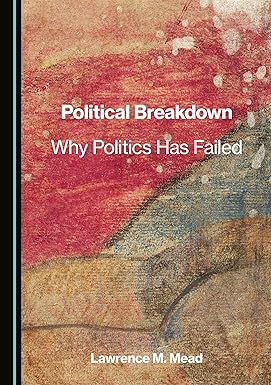
Reality Check for Politics
“…Lawrence Mead throws tact out the window and, instead, lays bare our collective failure to properly and honestly address myriad social changes that have occurred since the 1960s—namely, widening cultural difference and group balkanization; unprecedented levels of immigration from the non-West; and the rise of identitarianism, especially from the social justice-Left.”
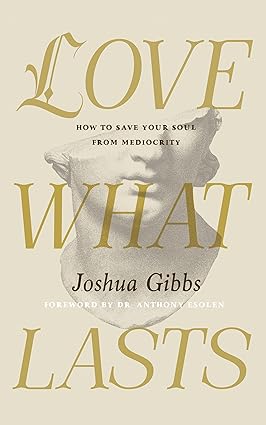
How to Love What is Permanent
“Throughout the book, Gibbs pleads with his readers that we not only think of the soul in terms of salvation but also in terms of health. Good taste won’t save one’s soul. But it will nourish the soul and incline the soul towards virtue much more than the bad taste we will acquire from mediocre things.”
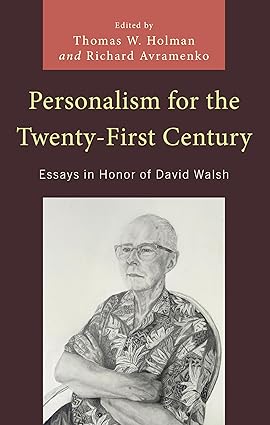
Personalism in the Age of AI
“Personalism is a philosophical movement that places the human person at the center of inquiry, affirming the inherent dignity, value, and uniqueness of each individual. While it spans both religious and secular traditions, its common thread is a commitment to defending the irreducible reality of the person in an age increasingly shaped by systems, technologies, and abstractions.”
Christopher Dawson and Pluralism
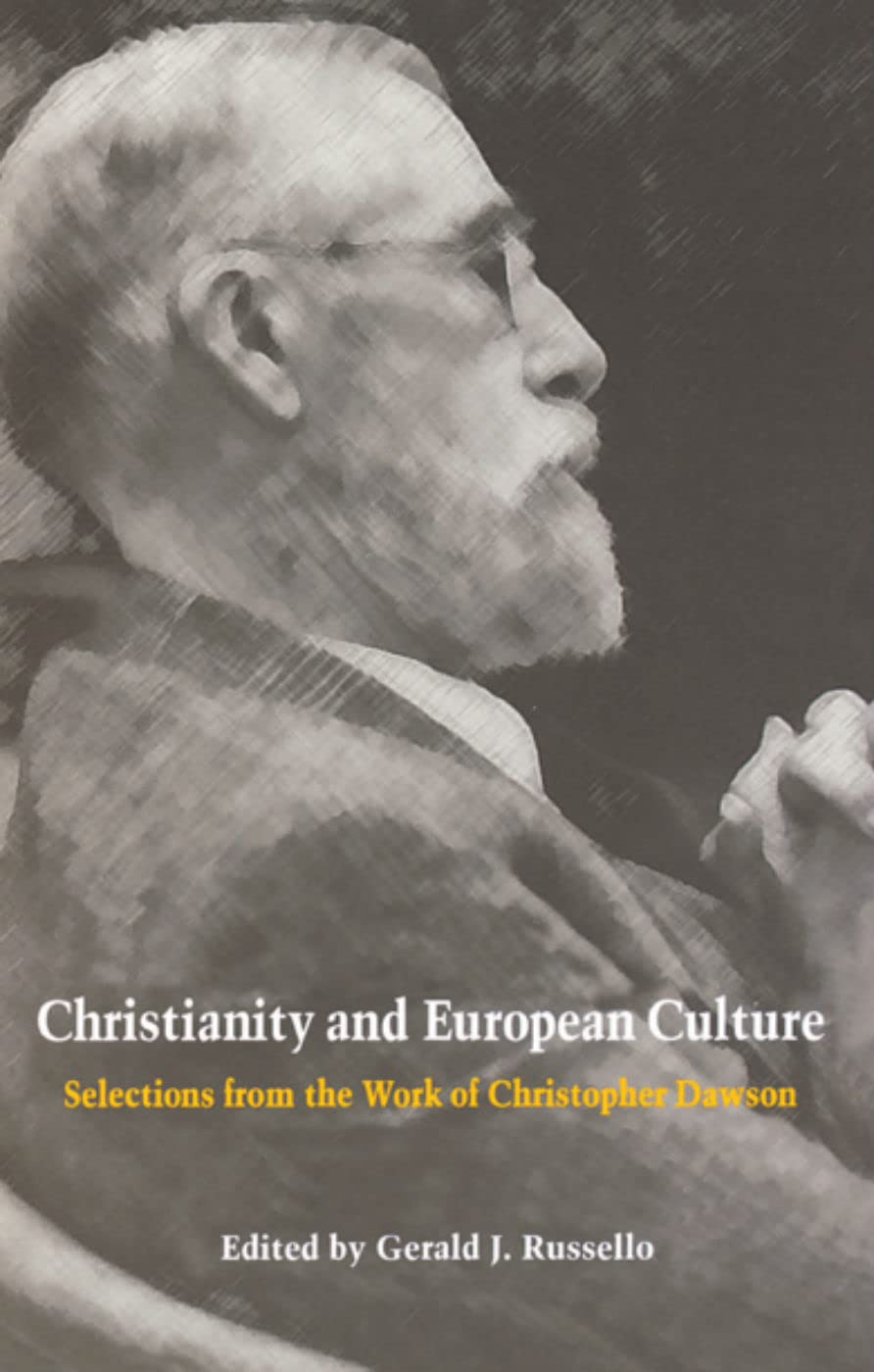
“In particular, I want to examine three aspects of Dawson’s thought: his conclusion that cultures, especially Western culture, historically have been pluralist; his contention that a pluralism of cultures preserves a sphere of freedom from dominant modern ideologies that would eliminate that freedom; and finally, Dawson’s conviction that a pluralist world represents a new opportunity for evangelization.”
Trust and Hope as the Final Words
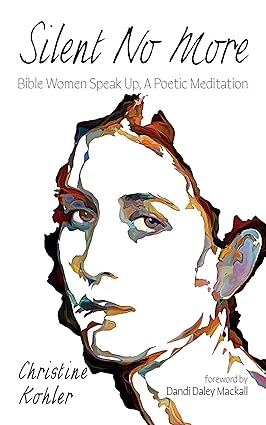
“Each poem is biblically rooted, but Kohler draws on extra-biblical sources and her own creative imagination to ponder what her characters may have been thinking during the pivotal moments of their mostly undocumented lives. The result is a beautiful exploration into the hearts and minds of the women of the Bible—both named and unnamed—that leaves readers feeling as though the women are imminently present, sharing their innermost thoughts and the overlooked aspects of their experiences.”
The Other Greek Woman
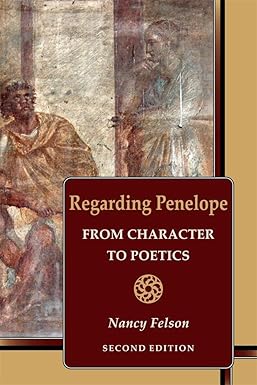
“Felson’s Penelope, who seems, in all probability, very close to Homer’s Penelope, is the faithful wife of Odysseus, but she is also the independent and flirtatious matriarch who rules over her household and teases the suitors, whom she views as her ‘geese.’”
Suicide Narratives and the Goodness of Being
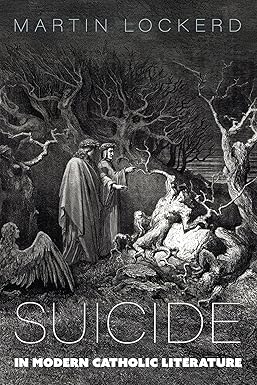
“Lockerd, drawing on the literary resources of the Catholic tradition, suggests a different tack: perhaps the essential goodness of reality does not always demand a leap into the unknown, a venture of faith against all odds. Rather, that goodness might be glimpsed everywhere around us.”
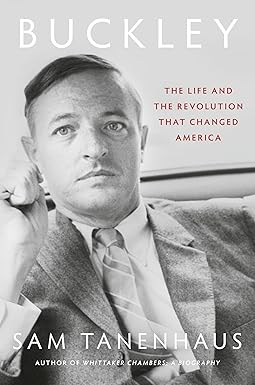
The Case Against Buckley
“From the geography of Sharon to the faculty at Yale, Buckley took on an entrenched progressive elite. His greatest achievement was to manifest an alternative American aristocracy, a counter-elite that took full form in the presidency of Ronald Reagan.”
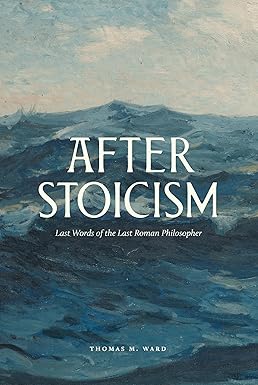
Beyond Stoicism
“The revival in interest in stoicism should not surprise. Stoic philosophy naturally attracts adherents in troubled times: it summons to duty, educates in constancy, and inspires self-mastery because it speaks to perennial human needs.”
The Book Gallery
A collection of conversations with Bookman editor Luke C. Sheahan and writers and authors of imagination and erudition. Click on the icon in the upper right corner of the video to see more episodes in this series or check out our YouTube page.


@ubookman Plus every donor will receive a new audio recording of Kirk's "Ex Tenebris," a great ghostly listen! Help @ubookman reach $20k and continue to review the books that build culture: https://buff.ly/MLnMl4e
Did you hear? This month a generous supporter has offered to MATCH every gift up to $5k for the Kirktober campaign in support of the mission of @ubookman: https://buff.ly/PECA0Az.
Shop through Creed and Culture Publishing