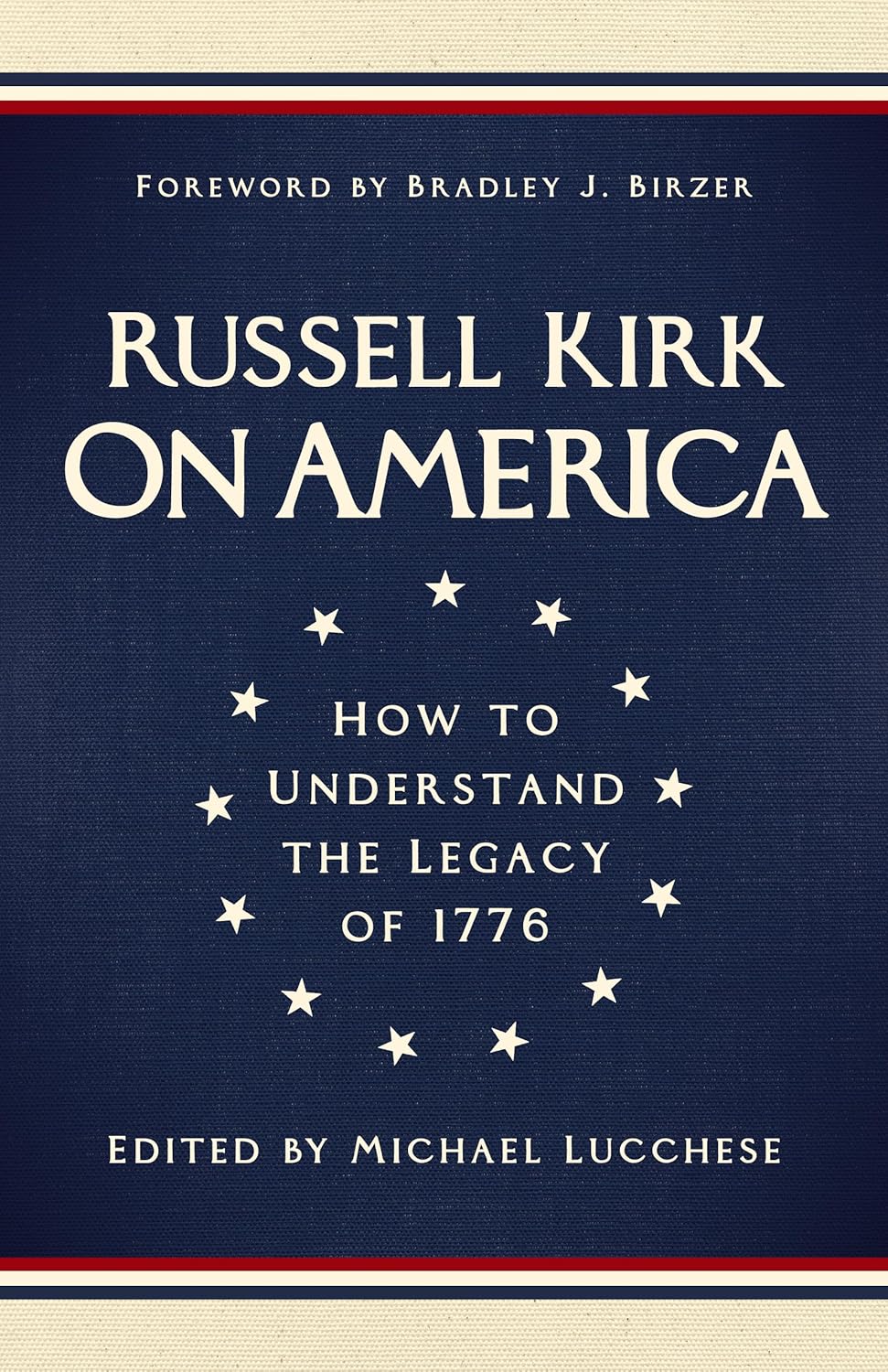
The University Bookman
Reviewing Books that Build Culture
Join Kirktober and help support the mission of the University Bookman
Each week the Bookman brings you fresh reviews of the books that build culture, and essays that enliven the Permanent Things. Last year nearly 90,000 visitors engaged with the Bookman’s reviews, all free of charge and with no advertising to disrupt the reading experience. Our writers are touching hearts and minds across the globe with their reviews, bringing wisdom, creativity, and beauty to bear on the most important conversations happening in literature and culture.
Would you consider a gift to help us continue this work?
If just 1 in 4 of our readers contributed $10, we’d dramatically increase our capacity to recruit the brightest young writers and tackle more books and topics, all with a Kirkian angle. We’ve set a goal of raising $20k this month in order to continue our mission. Exceeding this amount will allow us to expand our work even more.
If you love the Bookman, and read us with regularity, we’d greatly appreciate your generous support this month.
With gratitude,
Luke Sheahan, Ph.D., editor
The University Bookman
P.S. As a special thank you to all Bookman supporters this month, we’ll send you a link to an audio recording of Ex Tenebris, one of Kirk’s best ghostly short stories. We think you’ll really enjoy it.
Campaign Progress
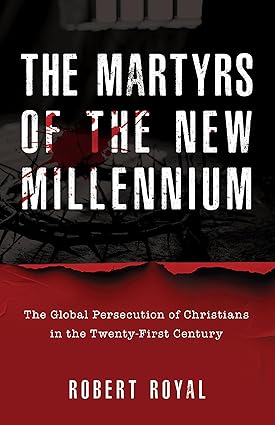
The Martyrs Have Not Gone Away
“Well-researched and carefully footnoted, this new study of contemporary Christian martyrdom quickly draws the reader in through the author’s crisp prose and compelling stories of real people whose extraordinary courage stands in stark contrast to a world increasingly reluctant to live—or die—for anything.”
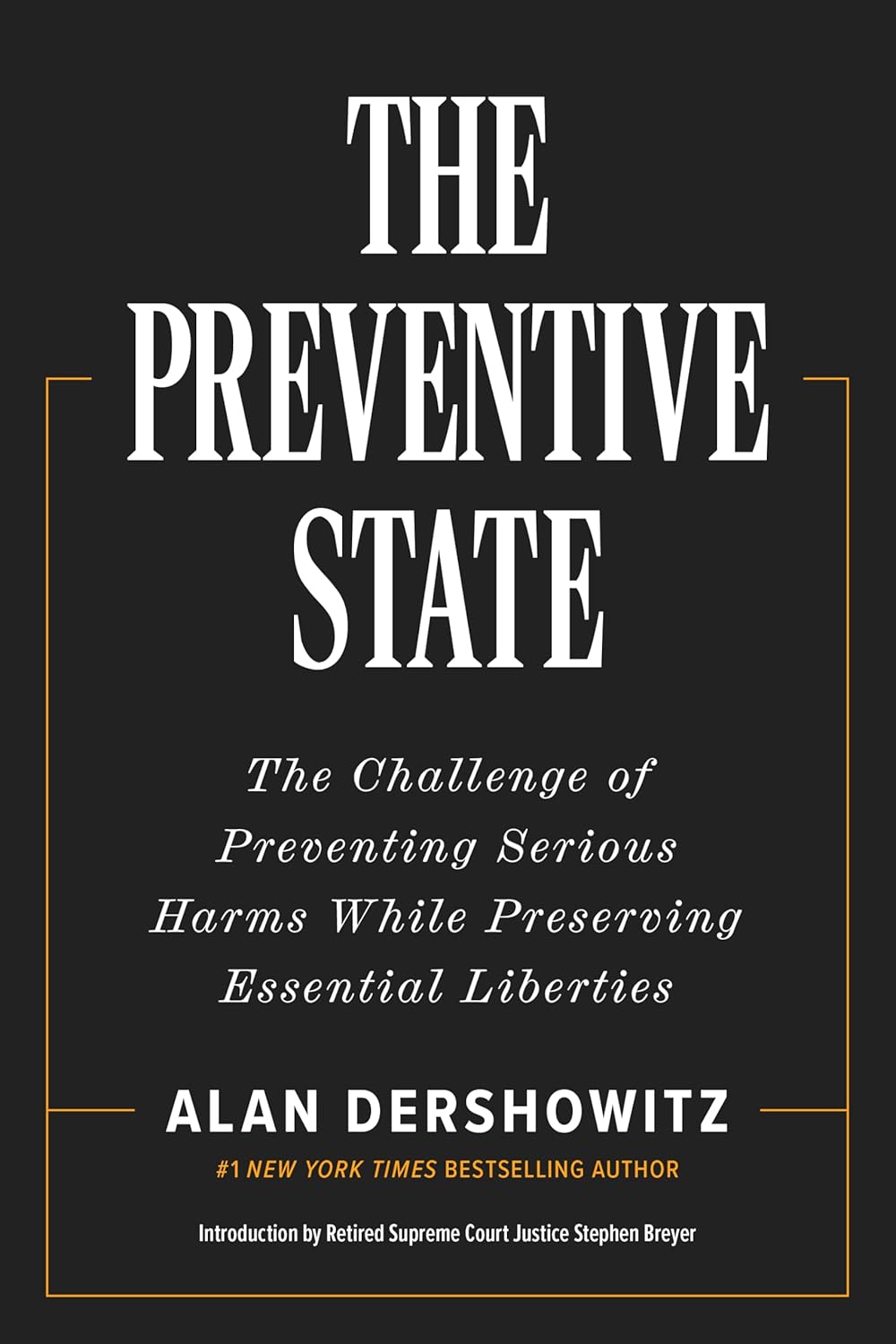
Principle and Pragmatism in Law
“Mixing experience with ‘balancing’—the idea that judges must weigh the pros and cons of a legal problem by attributing to ideas or interests a value—Dershowitz puts forth a jurisprudence of prevention. He embraces Holmes’s idea that ‘prevention’ and not retribution—the idea of just deserts—is ‘to be the chief and only universal purpose of punishment.’”

The Collapse of Constitutional Consciousness
“…Huq sees a pattern of injustice where those who ‘bridle against government regulation tend to have an easy glide path into federal court,’ while those who contend that individual rights have been violated find the courts ‘less hospitable.’ He asks meaningful questions about the nature of justice and whether the Constitution supports a just society, yet he subordinates the procedural and structural elements of the Constitution, which give it a backbone and endow it with its strength, to ideological notions of fairness, equity, and cherry-picked rights. He misses the irony in that the very qualities he claims to champion are lost in any system that fails to adhere to procedural norms, including those which set limits to remedies by those acting on behalf of the government.”

Localism is Americanism
“In this fine collection of essays there is not so much as a single hint that any sort of top down solution is the answer, much less a top down solution that requires either a big government or a political figure with something between near-dictatorial and dictatorial power. For localists, it’s bottom up all the way.”
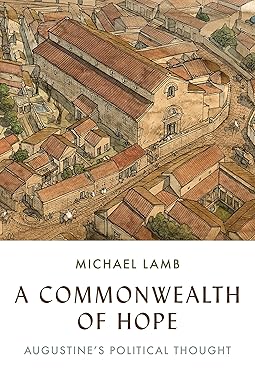
A Theological Virtue in the Earthly City
“Through the lens of hope, Lamb shows how Augustine allows individuals to belong to the City of God and the Earthly City simultaneously, since all worldly concerns and endeavors are shaped by the love of God and contribute to man’s proper end of union with Him.”
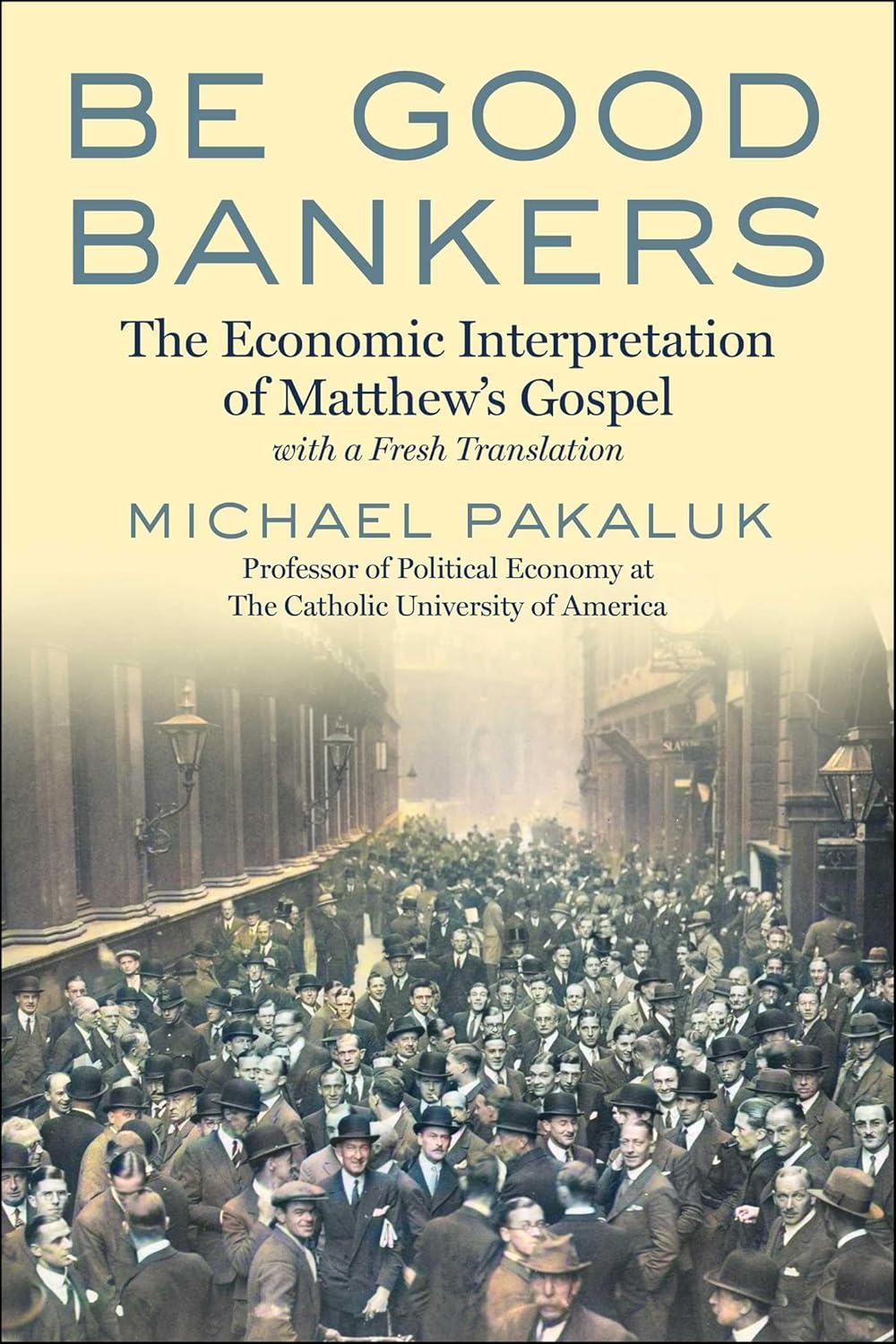
Should We Be Good Bankers?
“Pakaluk argues that the Gospel of Matthew can be understood as two major parts: the crediting and the debiting of salvation by Jesus Christ.”
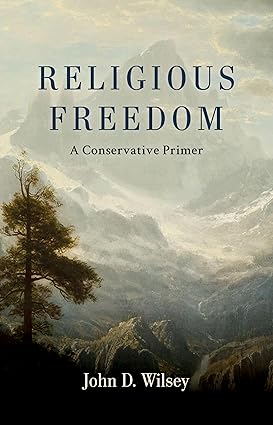
Aspirational Conservatism
“Developing an expansive vision of aspirational conservatism is the chief theme of Wilsey’s Religious Freedom: A Conservative Primer.
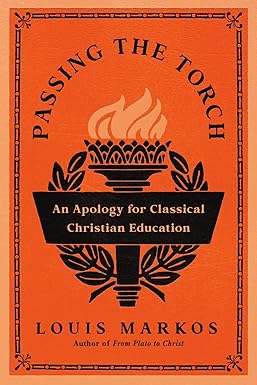
Educating in the Good, the True, and the Beautiful
“This fine study by Louis Markos… discloses the strengths of classical Christian education and the weaknesses of progressive education.”
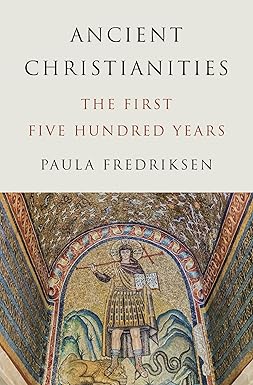
Out of Many, One
“If we could summarize Fredriksen’s Ancient Christianities under one rubric it would be ‘context reveals content.’”
The Book Gallery
A collection of conversations with Bookman editor Luke C. Sheahan and writers and authors of imagination and erudition. Click on the icon in the upper right corner of the video to see more episodes in this series or check out our YouTube page.


@ubookman Plus every donor will receive a new audio recording of Kirk's "Ex Tenebris," a great ghostly listen! Help @ubookman reach $20k and continue to review the books that build culture: https://buff.ly/MLnMl4e
Did you hear? This month a generous supporter has offered to MATCH every gift up to $5k for the Kirktober campaign in support of the mission of @ubookman: https://buff.ly/PECA0Az.
Shop through Creed and Culture Publishing