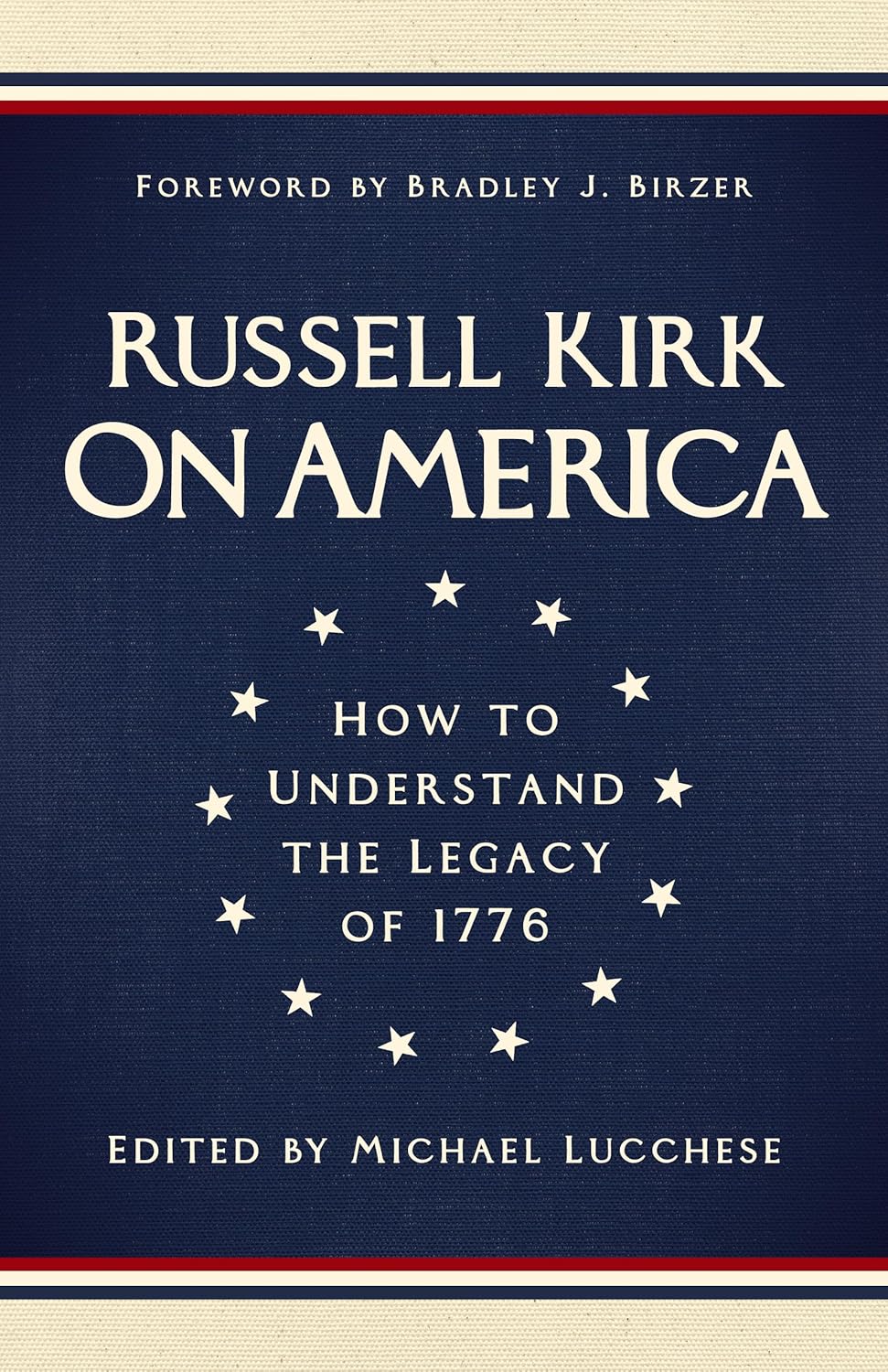
The University Bookman
Reviewing Books that Build Culture
Join Kirktober and help support the mission of the University Bookman
Each week the Bookman brings you fresh reviews of the books that build culture, and essays that enliven the Permanent Things. Last year nearly 90,000 visitors engaged with the Bookman’s reviews, all free of charge and with no advertising to disrupt the reading experience. Our writers are touching hearts and minds across the globe with their reviews, bringing wisdom, creativity, and beauty to bear on the most important conversations happening in literature and culture.
Would you consider a gift to help us continue this work?
If just 1 in 4 of our readers contributed $10, we’d dramatically increase our capacity to recruit the brightest young writers and tackle more books and topics, all with a Kirkian angle. We’ve set a goal of raising $20k this month in order to continue our mission. Exceeding this amount will allow us to expand our work even more.
If you love the Bookman, and read us with regularity, we’d greatly appreciate your generous support this month.
With gratitude,
Luke Sheahan, Ph.D., editor
The University Bookman
P.S. As a special thank you to all Bookman supporters this month, we’ll send you a link to an audio recording of Ex Tenebris, one of Kirk’s best ghostly short stories. We think you’ll really enjoy it.
Campaign Progress

Reappraising Woodrow Wilson
“…it is hardly a biography at all. If anything, it is a history of the painfully gradual process of finally securing the right to vote for American women.”
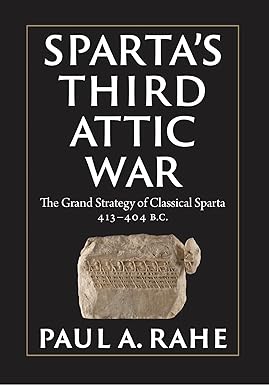
Lessons from Sparta
“…Sparta’s Third Attic War and its predecessors are philosophical meditations on such weighty issues as the rise and fall of civilizations and the fundamental motives of major players within these civilizations.”
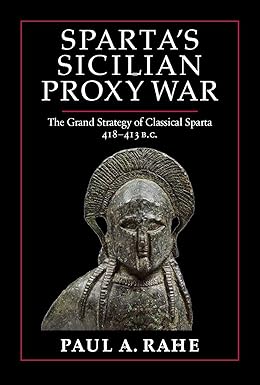
The Character of the People is the Character of the Regime
“To see why ‘realism’ is inadequate as a paradigm, Rahe seeks to rehabilitate the old idea of grand strategy as crucial for the competent study of international affairs.”
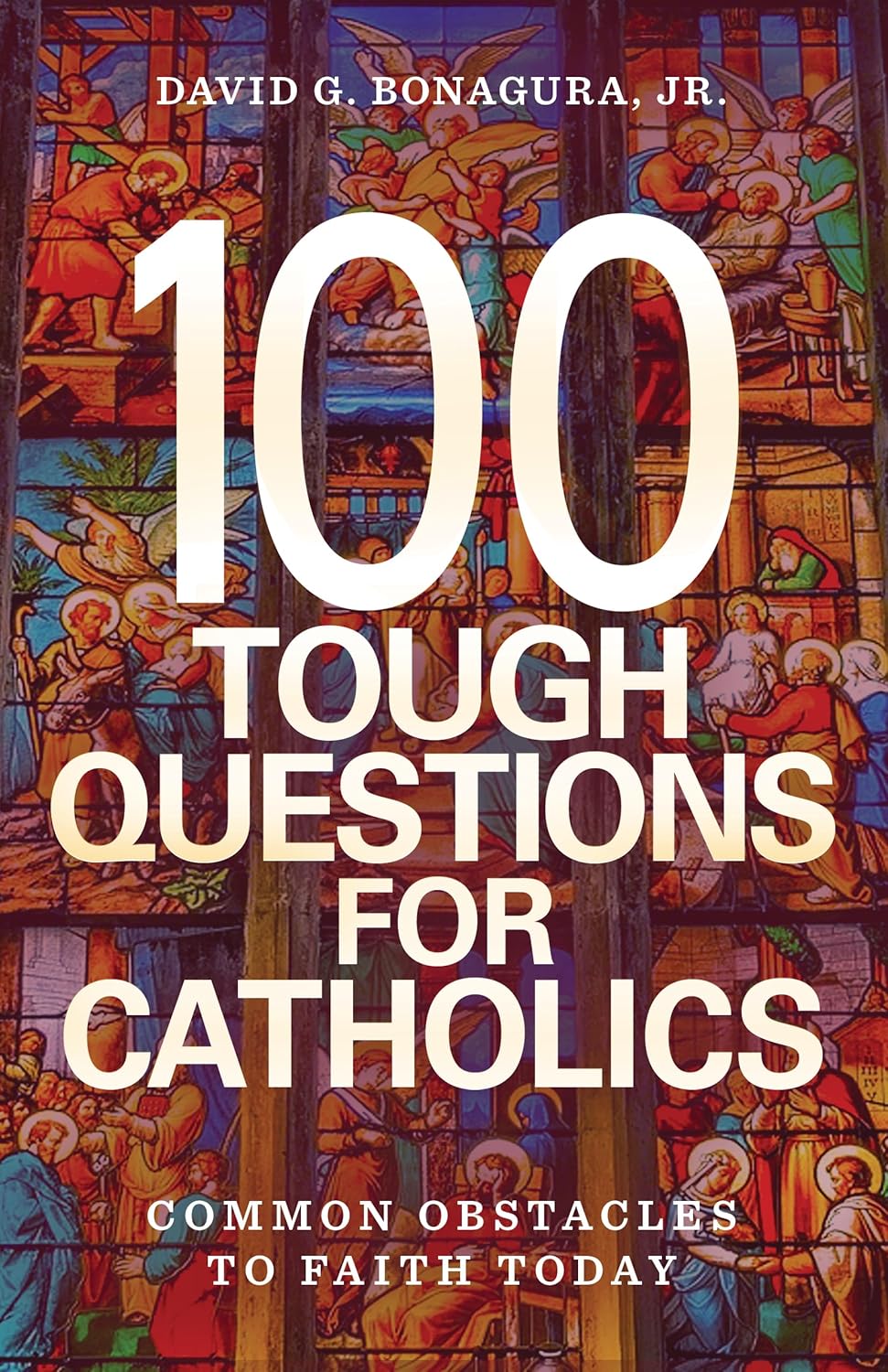
Defending the Christian Faith
“In 100 Tough Questions For Catholics: Common Obstacles To Faith Today… David G. Bonagura, Jr. gives bite-sized answers to dozens of big questions about the faith.”
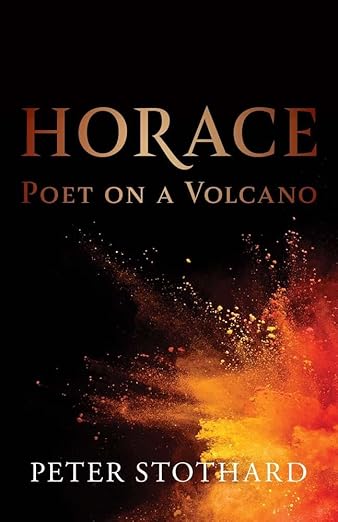
Poet on a Volcano
Horace: Poet on a Volcano By Peter Stothard. Yale University Press, 2025. Hardcover. 288 pages. $28. Reviewed by Nadya Williams. nce upon a time, a middle-aged poet climbed up to the top of the Sicilian volcano Mount Etna. He gazed a while with...
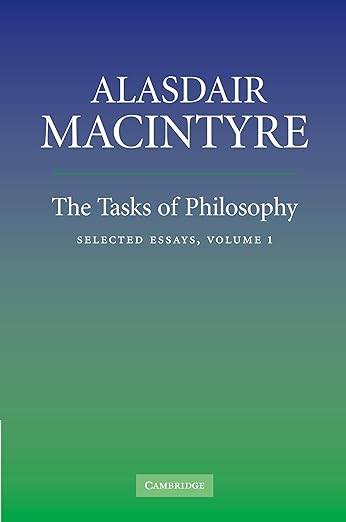
Alasdair MacIntyre: Philosopher of the Ages
Edith Stein: A Philosophical Prologue, 1913-1922 Rowman & Littlefield (Lanham, Md.) 208 pp., $33.00 cloth, 2005 The Tasks of Philosophy: Selected Essays, Vol. 1 Cambridge University Press (Cambridge, U.K.) 244 pp., $70.00 cloth, 2006 Ethics and Politics: Selected...

The Winding Road that Alasdair MacIntyre Has Traveled
“Perreau-Saussine… makes a valuable contribution for those looking to understand the context and nature of Alasdair MacIntyre’s thought.”
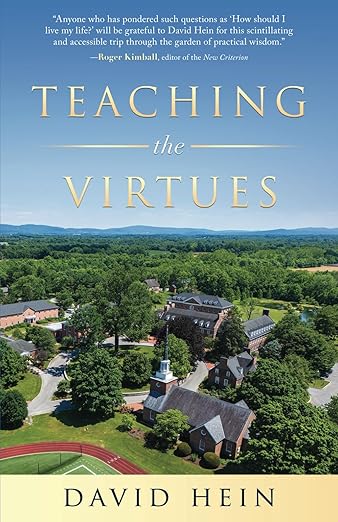
Reforming Education Begins (and ends) with the Virtues
Teaching the Virtues By David Hein. Mecosta House, 2025. Paperback, 222 pages, $16.95. Reviewed by Thomas Griffin. ristotle famously began his Metaphysics with a foundational principle: “All men by nature desire to know.” This leads to two further...
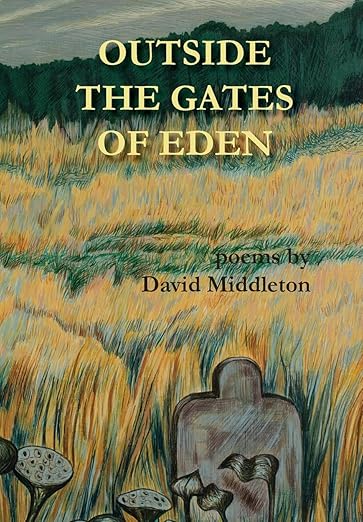
Irretrievable Eden
Outside The Gates of Eden By David Middleton. Measure Press, 2023. Hardcover, 114 pages, $25. Reviewed by Madeleine Austin. avid Middleton’s Outside the Gates of Eden is a collection of formal poems rooted in contemplation of the Book of Genesis....
The Book Gallery
A collection of conversations with Bookman editor Luke C. Sheahan and writers and authors of imagination and erudition. Click on the icon in the upper right corner of the video to see more episodes in this series or check out our YouTube page.


Did you hear? This month a generous supporter has offered to MATCH every gift up to $5k for the Kirktober campaign in support of the mission of @ubookman: https://buff.ly/PECA0Az.
@ubookman @NadyaWilliams81 "The past couple of years have been a time of seemingly endless jeremiads about the decline of reading, literacy, and books..in the midst of such chaos, @ubookman simply continues to review ‘books that build culture’—a mission to which I am honored to contribute.”
Shop through Creed and Culture Publishing