The University Bookman
Reviewing Books that Build Culture
Join Kirktober and help support the mission of the University Bookman
Each week the Bookman brings you fresh reviews of the books that build culture, and essays that enliven the Permanent Things. Last year nearly 90,000 visitors engaged with the Bookman’s reviews, all free of charge and with no advertising to disrupt the reading experience. Our writers are touching hearts and minds across the globe with their reviews, bringing wisdom, creativity, and beauty to bear on the most important conversations happening in literature and culture.
Would you consider a gift to help us continue this work?
If just 1 in 4 of our readers contributed $10, we’d dramatically increase our capacity to recruit the brightest young writers and tackle more books and topics, all with a Kirkian angle. We’ve set a goal of raising $20k this month in order to continue our mission. Exceeding this amount will allow us to expand our work even more.
If you love the Bookman, and read us with regularity, we’d greatly appreciate your generous support this month.
With gratitude,
Luke Sheahan, Ph.D., editor
The University Bookman
P.S. As a special thank you to all Bookman supporters this month, we’ll send you a link to an audio recording of Ex Tenebris, one of Kirk’s best ghostly short stories. We think you’ll really enjoy it.
Campaign Progress
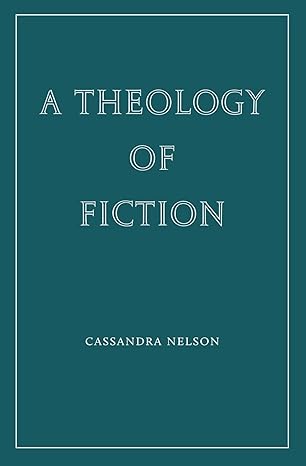
Sister Mariella Gable: Pioneer and Prophet
“Nelson’s point, then, is that Catholic writers are issued no exemptions for their piety… but must instead be held to the highest standards of quality, craftsmanship, and excellence.”
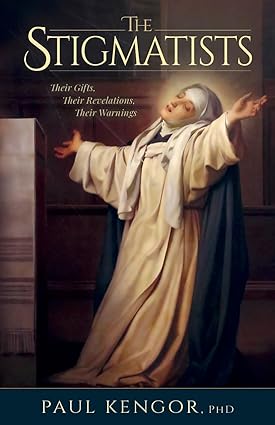
The Visionary Stigmatists and the Hope of Mercy
“…Kengor proceeds in his history of key stigmatists through Christian history, looking at the medieval stigmatists of renown including Saint Francis of Assisi and Saint Catherine of Sienna, to more modern stigmatists of the past century including Saint Padre Pio and Saint Faustina.”
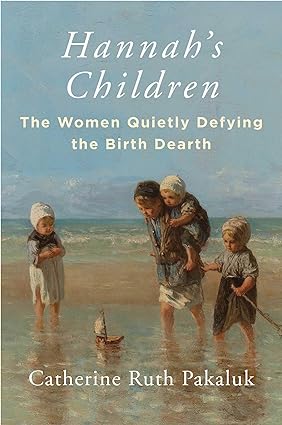
Challenging the Contraceptive Mind
“…philosophy underlies her work and makes itself evident throughout. Though she applies economic terms to her findings about childbearing—with language of costs and benefits—and draws conclusions about economics and policy, Pakaluk is fundamentally making, alongside her subjects, a philosophical argument about the value of human life. Together with the women of her sample, Pakaluk maintains that children are blessings worth living and dying for, and that having one more child is always a blessing.”
Motherhood in an Age of Childlessness
“Pakaluk posits that her interviews revealed a startling thesis: a supernatural outlook, whereby self-sacrifice is assessed as gain, is perhaps the only way nowadays that most college-educated women are ever going to regard the benefits of large families as greater than the costs. “

The Conservative Resurgence
“Milikh begins his introductory essay by straightforwardly asserting that the goal of the book ‘is to correct the trajectory of the Right after several generations of political losses, moral delusions, and intellectual errors.'”
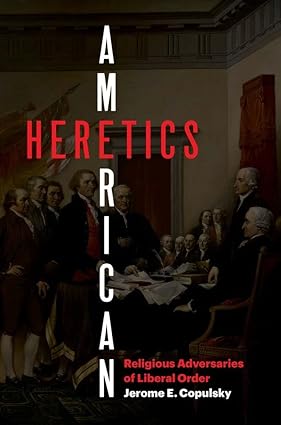
Religious Illiberalism and the American Order
“Copulsky’s work can only be described as the definitive history of religious illiberalism to the American order.”
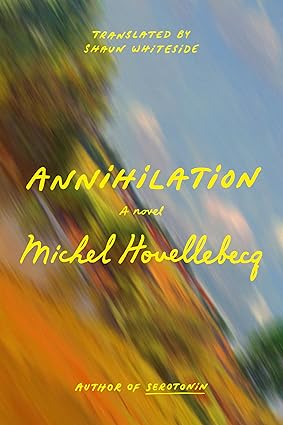
Michel Houellebecq’s Annihilation: Dystopia Unbound in Late Postmodernism
“…Houellebecq offers a caveat against hopelessness. Beginning in the second half of the novel, after a vast portion of the plot mechanism has become manifest, Houellebecq introduces readers to the revamped possibilities for human life that love offers.”
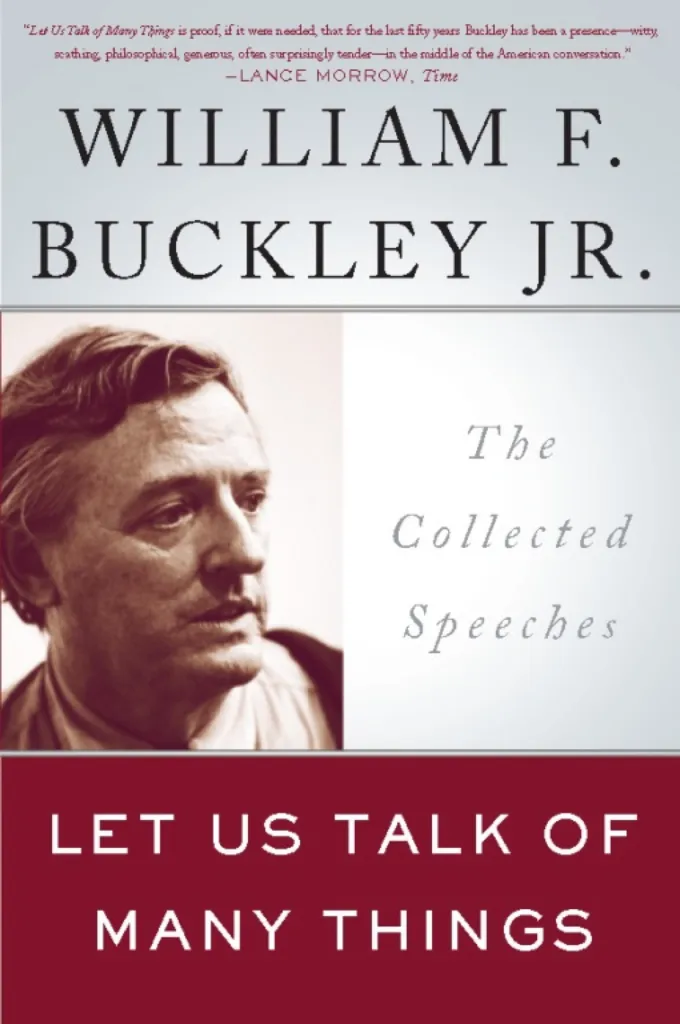
Buckley at 100: Revisiting the Speeches of William F. Buckley Jr.
“…I asked William F. Buckley Jr. which of his books was the favorite… Since I did not have a game plan other than to say ‘hello,’ speaking with him was an unexpected opportunity to pop the question. ‘It has to be the book of my speeches,’ he answered. ‘It covers fifty years of my life. No other of my books does that.’”
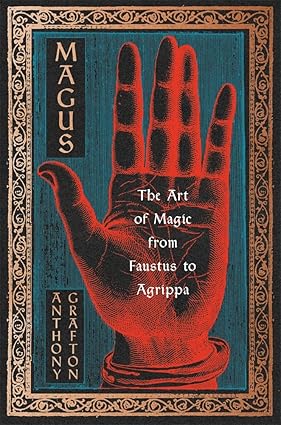
Something Wicked This Way Comes
“Like the Early Modern period, our own age is a time of charlatanry and real evil…”
The Book Gallery
A collection of conversations with Bookman editor Luke C. Sheahan and writers and authors of imagination and erudition. Click on the icon in the upper right corner of the video to see more episodes in this series or check out our YouTube page.