The University Bookman
Reviewing Books that Build Culture
Join Kirktober and help support the mission of the University Bookman
Each week the Bookman brings you fresh reviews of the books that build culture, and essays that enliven the Permanent Things. Last year nearly 90,000 visitors engaged with the Bookman’s reviews, all free of charge and with no advertising to disrupt the reading experience. Our writers are touching hearts and minds across the globe with their reviews, bringing wisdom, creativity, and beauty to bear on the most important conversations happening in literature and culture.
Would you consider a gift to help us continue this work?
If just 1 in 4 of our readers contributed $10, we’d dramatically increase our capacity to recruit the brightest young writers and tackle more books and topics, all with a Kirkian angle. We’ve set a goal of raising $20k this month in order to continue our mission. Exceeding this amount will allow us to expand our work even more.
If you love the Bookman, and read us with regularity, we’d greatly appreciate your generous support this month.
With gratitude,
Luke Sheahan, Ph.D., editor
The University Bookman
P.S. As a special thank you to all Bookman supporters this month, we’ll send you a link to an audio recording of Ex Tenebris, one of Kirk’s best ghostly short stories. We think you’ll really enjoy it.
Campaign Progress
Gerald Russello: The Man Who Did It All
“Gerald believed deeply in the power of the conservative imagination, and I believe the essays and reviews in this volume showcase one dedicated man’s imagination at its best, working to preserve the Permanent Things for the next generation and beyond.”
Russello Classic: The Age of Addiction
Gerald J. Russello reviews a book on the cultivation of consumer desire and its discontents.
The Fourth Awokening and Its Discontents
“Each of the ‘Great Awokenings’ thus have a common cause: elite overproduction, a situation in which there are more people who feel entitled to elite positions than there are such positions available.”
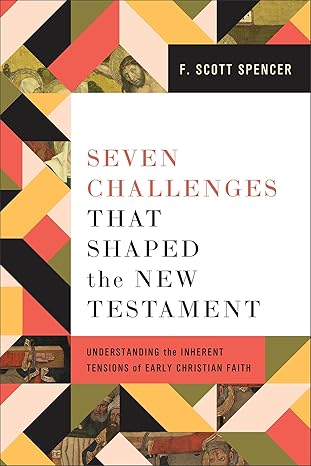
Dissonance and Faith
“While billed as an accessible and clarifying introductory guide to the ideas that shaped the New Testament, I would not endorse this description of Spencer’s book. It is not a book for beginners, nor an introduction, nor a clarifying guide. It is, rather, a mineshaft—dark, with dim lighting—in which the wary may yet strike treasure.”
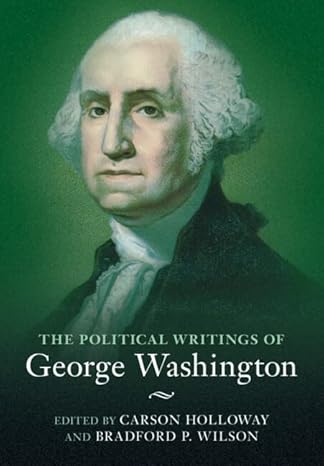
Prudence in the Political Philosophy of George Washington
“What is apparent from reading Washington’s private letters and public documents is that his political ideas were formed from experience and sober assumptions about the possibilities of politics. He was repeatedly reminded by his experience in political affairs of the limits and challenges of politics.”
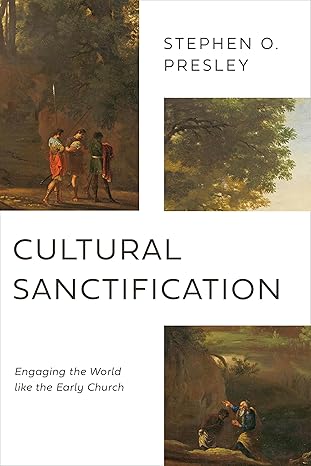
Hope in the Past, Hope in the Future
“Stephen Presley proposes a model of cultural engagement that looks to the earliest centuries of the Church, its fledgling period before the so-called ‘Constantinian shift.’ Given the ongoing dismantling of the structures of Christendom, the earliest period of the Church offers an ever more fitting parallel to ours, one in which religious devotion is regarded not merely as irrelevant but increasingly as a threat to social order.”

The Sacredness of Life: An Unbought Grace
“Two new books by former abortion providers chronicle how far this noble profession has fallen from grace, as it has been corrupted by the avarice and dull materialism of our age. They also show how the nobility of the physician can be reclaimed by returning to first principles and recognizing the sacredness of life…”
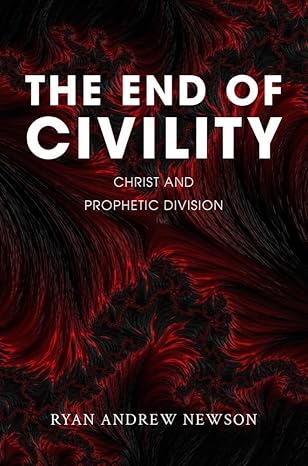
The Social Gospel for Our Times
“Newson’s privileging of our temporal horizontal relationships with one another over our spiritual vertical relationship with God… has the tendency to reduce all human relationships to material ones rooted in power.”
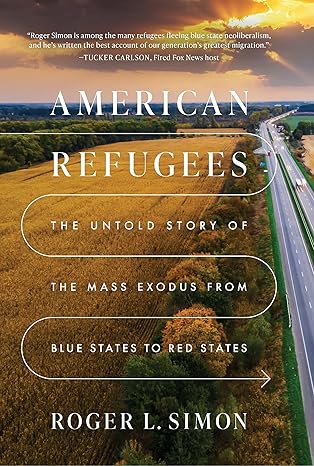
Political Exodus in America
“…we have in American Refugees a quite worthwhile and entertaining discussion of the experience of one refugee’s relocation from the most liberal of states to one of the most conservative, though conservative in ways that the author did not entirely anticipate.”
The Book Gallery
A collection of conversations with Bookman editor Luke C. Sheahan and writers and authors of imagination and erudition. Click on the icon in the upper right corner of the video to see more episodes in this series or check out our YouTube page.


Kirk saw poetry, fiction, tradition, and restraint as essential to understanding America and preserving its character. In his review of "On America," @cjscalia explores Kirk’s vision of the founding, statesmanship, literature, and the enduring ideas that have shaped the republic.
Shop through Creed and Culture Publishing