The University Bookman
Reviewing Books that Build Culture
Join Kirktober and help support the mission of the University Bookman
Each week the Bookman brings you fresh reviews of the books that build culture, and essays that enliven the Permanent Things. Last year nearly 90,000 visitors engaged with the Bookman’s reviews, all free of charge and with no advertising to disrupt the reading experience. Our writers are touching hearts and minds across the globe with their reviews, bringing wisdom, creativity, and beauty to bear on the most important conversations happening in literature and culture.
Would you consider a gift to help us continue this work?
If just 1 in 4 of our readers contributed $10, we’d dramatically increase our capacity to recruit the brightest young writers and tackle more books and topics, all with a Kirkian angle. We’ve set a goal of raising $20k this month in order to continue our mission. Exceeding this amount will allow us to expand our work even more.
If you love the Bookman, and read us with regularity, we’d greatly appreciate your generous support this month.
With gratitude,
Luke Sheahan, Ph.D., editor
The University Bookman
P.S. As a special thank you to all Bookman supporters this month, we’ll send you a link to an audio recording of Ex Tenebris, one of Kirk’s best ghostly short stories. We think you’ll really enjoy it.
Campaign Progress
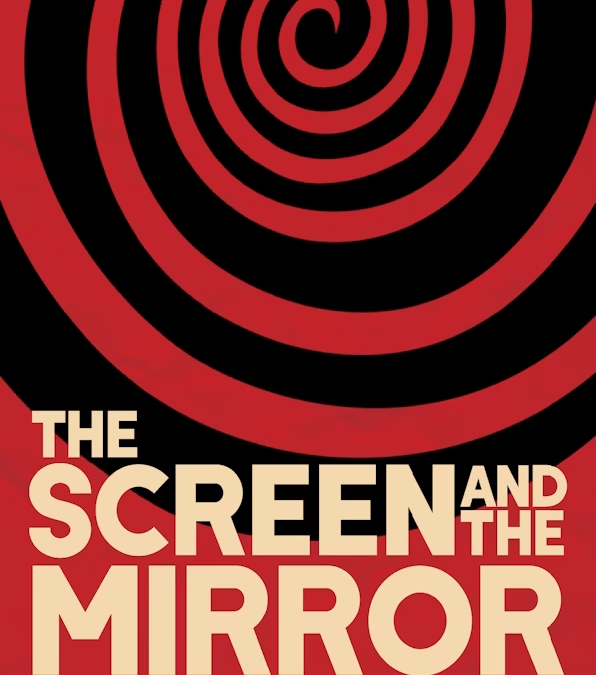
Taking Movies Seriously, Perhaps Too Seriously
“Dalfonzo’s conception of film as a moral mirror that serves to reveal to us our lapses and failings is certainly founded on an honest and conscientious set of wishes—on that score I have no doubts. I nonetheless suspect that this hope emerges from a blurring of the formal and moral properties of art.”
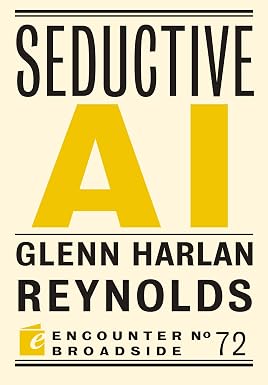
The Seduction and Perils of Artificial Intelligence
“The inescapable truth is that AI is a transformative technology, even more so perhaps than were the computer and the internet. We are not even close to resolving fundamental questions such as how much autonomy we wish to grant AI and how greatly the adoption of AI will affect our freedom of choice.”
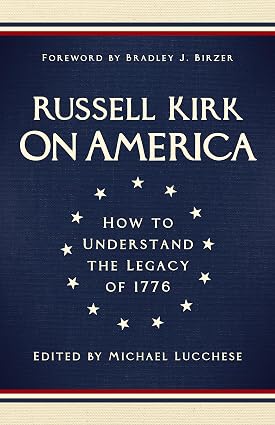
The Audacious Russell Kirk
“Neither Eliot nor Kirk would justify surrender in the face of conflict, especially when order in the commonwealth is at stake.”
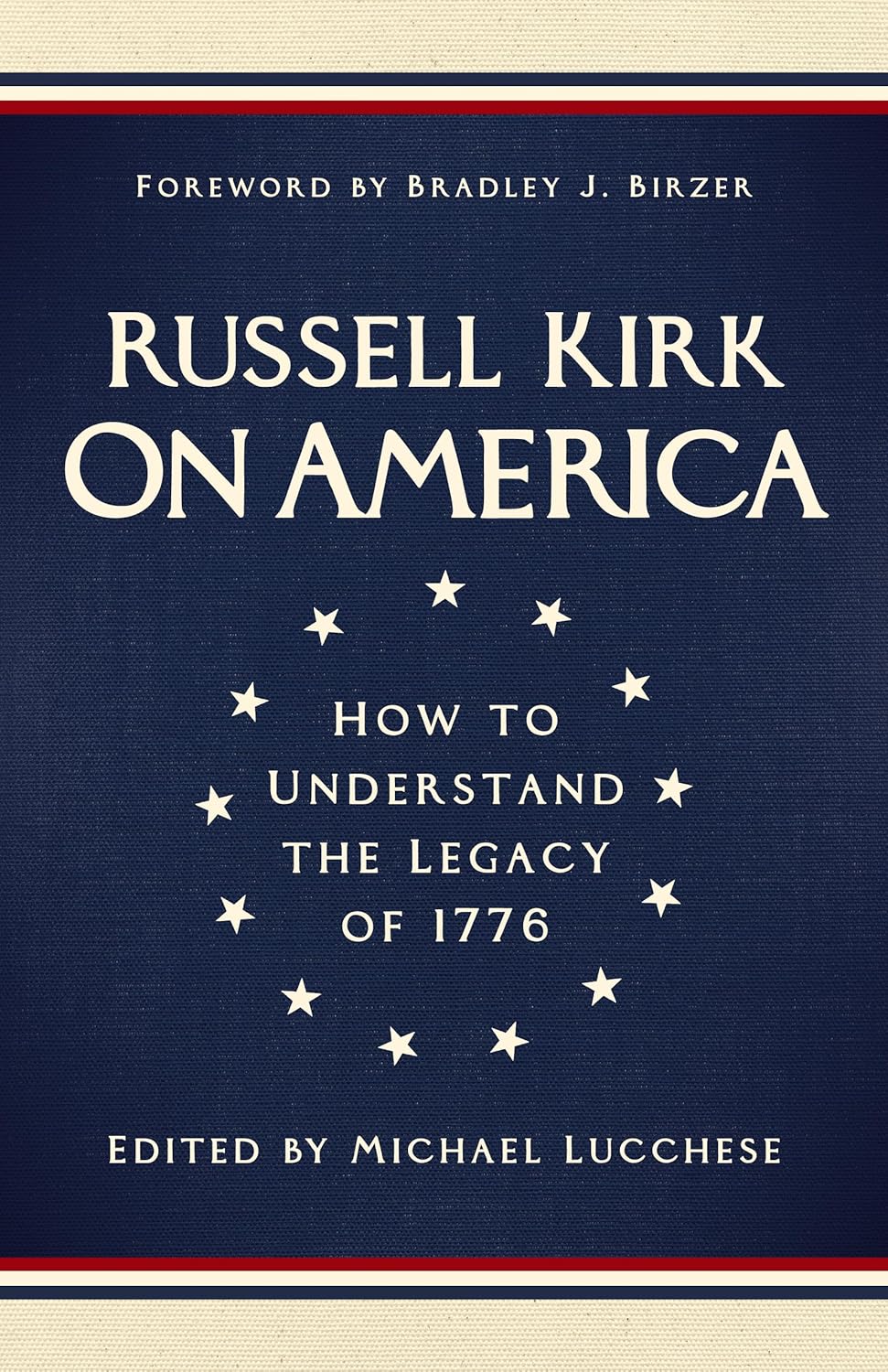
The Imaginative Russell Kirk
“Michael Lucchese has gathered 17 essays in which Kirk discusses not only the Founding, but also the nation that the Revolution created, the distinctive nature of the people who imagined and developed it, and the traditions they inherited and adapted.”
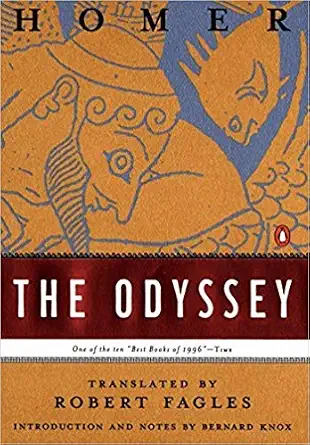
Remembering Robert Fagles: From Suffering to Meaning
“[Fagles] took as the essence of tragedy Aeschylus’s phrase ‘pathei mathos,’ ‘learning via suffering,’ which contained in it the belief that we could reap a harvest of knowledge from the pain.”
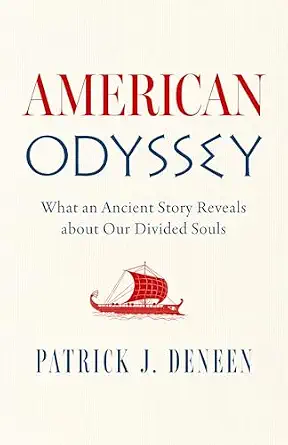
Coming Home
“…Patrick Deneen draws from political theory, classics, American literature, and film to understand the American concept of homecoming and adventure.”
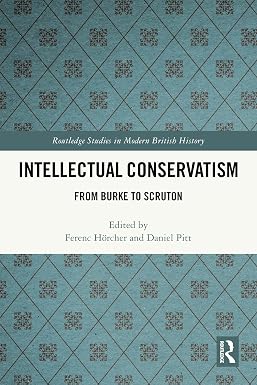
Ideas Matter Now More Than Ever
“…Hörcher and Pitt convey theory by packaging it within the particularity of British politics that has been informed by intellectual conservatism.”
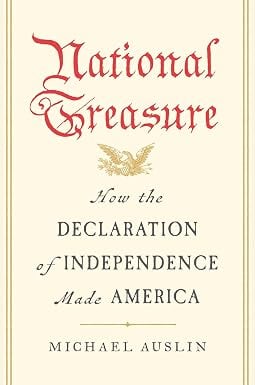
America’s Treasured Declaration
“It serves us with a reminder that the Declaration is America’s most sacred relic, a symbol of our founding principles, and a text that continues to play a quintessential part in American culture. The Declaration of Independence binds us together and makes us one nation.”
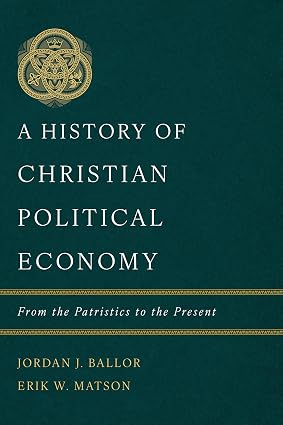
Beyond the Tithe: Unearthing Two Millennia of Christian Political Economy
“Themes of wealth, poverty, and greed pervade early Christian writing about markets. So, too, do concerns about justice in price, profit, and lending at interest.”
The Book Gallery
A collection of conversations with Bookman editor Luke C. Sheahan and writers and authors of imagination and erudition. Click on the icon in the upper right corner of the video to see more episodes in this series or check out our YouTube page.


@ubookman Plus every donor will receive a new audio recording of Kirk's "Ex Tenebris," a great ghostly listen! Help @ubookman reach $20k and continue to review the books that build culture: https://buff.ly/MLnMl4e
Did you hear? This month a generous supporter has offered to MATCH every gift up to $5k for the Kirktober campaign in support of the mission of @ubookman: https://buff.ly/PECA0Az.
Shop through Creed and Culture Publishing