The University Bookman
Reviewing Books that Build Culture
Join Kirktober and help support the mission of the University Bookman
Each week the Bookman brings you fresh reviews of the books that build culture, and essays that enliven the Permanent Things. Last year nearly 90,000 visitors engaged with the Bookman’s reviews, all free of charge and with no advertising to disrupt the reading experience. Our writers are touching hearts and minds across the globe with their reviews, bringing wisdom, creativity, and beauty to bear on the most important conversations happening in literature and culture.
Would you consider a gift to help us continue this work?
If just 1 in 4 of our readers contributed $10, we’d dramatically increase our capacity to recruit the brightest young writers and tackle more books and topics, all with a Kirkian angle. We’ve set a goal of raising $20k this month in order to continue our mission. Exceeding this amount will allow us to expand our work even more.
If you love the Bookman, and read us with regularity, we’d greatly appreciate your generous support this month.
With gratitude,
Luke Sheahan, Ph.D., editor
The University Bookman
P.S. As a special thank you to all Bookman supporters this month, we’ll send you a link to an audio recording of Ex Tenebris, one of Kirk’s best ghostly short stories. We think you’ll really enjoy it.
Campaign Progress
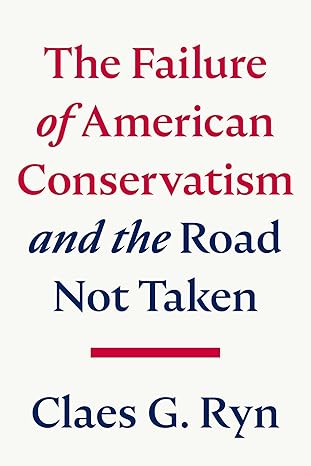
A Half Century of Conservative Criticism
“…the most important theme of his essays suggests that all the common answers about where conservatism went wrong avoid a more fundamental one: conservatives have been too obsessed with politics.”
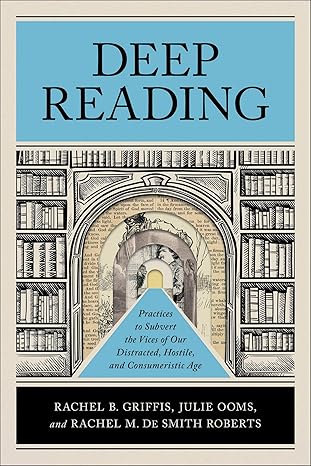
Literary Virtue and Vice
“Griffis, Ooms, and Roberts offer practices of thought and attention that those eager to read deeply would do well to implement. Yet those eager to learn how Christianity ought to inform their reading and thinking would do well to consult other writers less concerned with rehearsing the language of our milieu, such as C.S. Lewis, Flannery O’Connor, T.S. Eliot, Dana Gioia.”
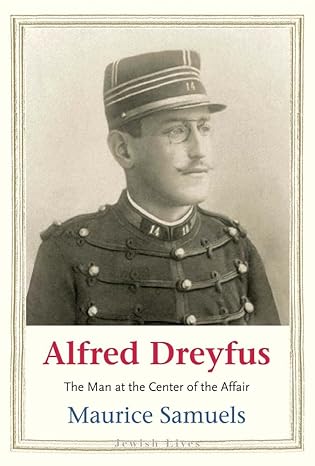
JP O’Malley Interviews Author Maurice Samuels
“‘Dreyfus’s Jewishness played a major role’ in convincing many within the army hierarchy to believe he was a traitor and a spy, Samuels stresses… This, in essence, is the main thesis put forward in [the book]. ‘Clearly, you cannot write about this case without mentioning the fact that Dreyfus was Jewish, or bringing up the role of antisemitism,’ the historian points out.”
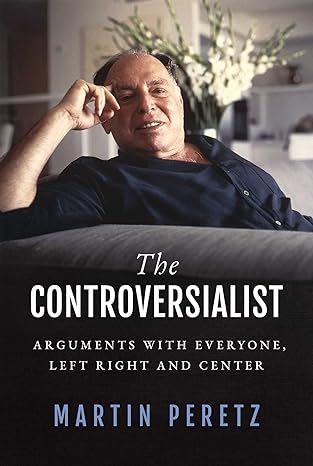
The Left Wing Patriot
“A man of the left and an American patriot, [Peretz] is a rare bird today—and, therefore, possibly even a controversial one, not to mention an iconoclastic one.”
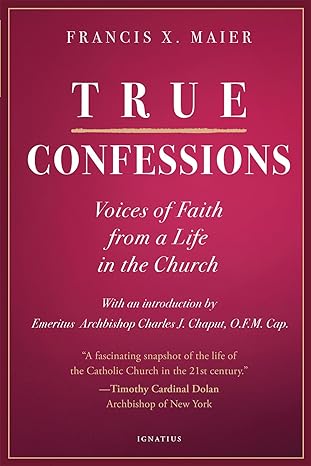
Will You Also Go Away?
“The suggestions that these True Confessions pose for renewal are aligned, whether they come from bishops or laypeople: we must recover the view that the Church is not an institution but a community founded on encountering Jesus Christ and living radically for him.”
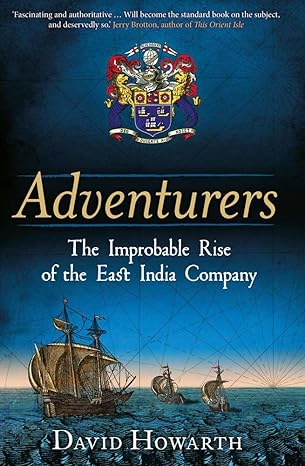
Sailing East
“As we push deeper into the third decade of the twenty-first century, the sense of boredom and anxiety of the early twenty-first century only seems to increase. What is needed is a renewed sense of adventure, confidence, and patriotism—the same sense of adventure, confidence, and patriotism that propelled the East India Company to create the wealth and wonder of the modern world.”
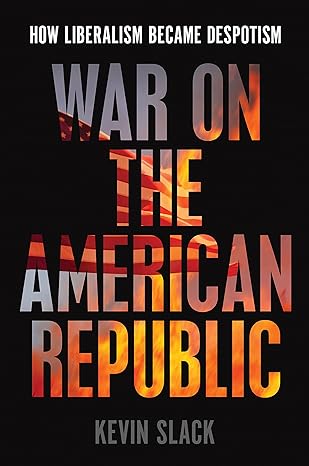
The Republic and the American Right
“…Kevin Slack traces our continuing national horror back to its roots, America’s roots, in his scathing new book… Slack dedicates his screed to patriotic Americans ‘disgusted by our rotting plutocracy…'”
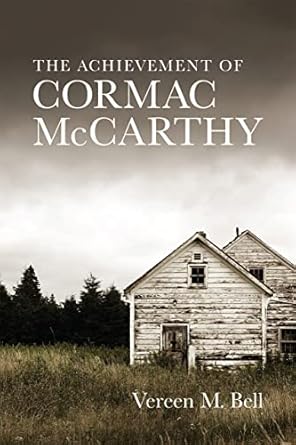
Evil and Good in Cormac McCarthy
“Vereen M. Bell’s primary contention is that McCarthy presents us with a dead end—confronting us, in a kind of stoical existentialism, with the universality of death and non-being.”
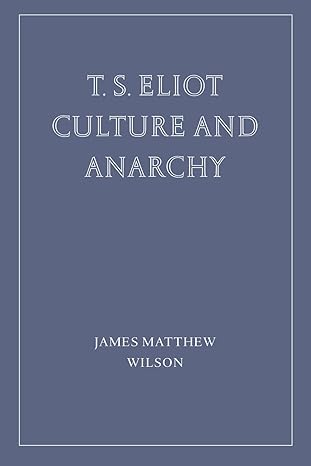
Under the Light of the Same Communion Candle: From Russell Kirk to James Matthew Wilson
“One might think of matters this way: Eliot appropriates Arnold’s liberal vision of culture, but conservatively converts that vision. Culture’s work is not merely sweetness and light but contributes to an ‘ideal order’ of tradition which is above if not sealed off from the ‘poet’s heart’ that is supposed to palpate with feeling.”
The Book Gallery
A collection of conversations with Bookman editor Luke C. Sheahan and writers and authors of imagination and erudition. Click on the icon in the upper right corner of the video to see more episodes in this series or check out our YouTube page.


@ubookman Plus every donor will receive a new audio recording of Kirk's "Ex Tenebris," a great ghostly listen! Help @ubookman reach $20k and continue to review the books that build culture: https://buff.ly/MLnMl4e
Did you hear? This month a generous supporter has offered to MATCH every gift up to $5k for the Kirktober campaign in support of the mission of @ubookman: https://buff.ly/PECA0Az.
Shop through Creed and Culture Publishing