The University Bookman
Reviewing Books that Build Culture
Join Kirktober and help support the mission of the University Bookman
Each week the Bookman brings you fresh reviews of the books that build culture, and essays that enliven the Permanent Things. Last year nearly 90,000 visitors engaged with the Bookman’s reviews, all free of charge and with no advertising to disrupt the reading experience. Our writers are touching hearts and minds across the globe with their reviews, bringing wisdom, creativity, and beauty to bear on the most important conversations happening in literature and culture.
Would you consider a gift to help us continue this work?
If just 1 in 4 of our readers contributed $10, we’d dramatically increase our capacity to recruit the brightest young writers and tackle more books and topics, all with a Kirkian angle. We’ve set a goal of raising $20k this month in order to continue our mission. Exceeding this amount will allow us to expand our work even more.
If you love the Bookman, and read us with regularity, we’d greatly appreciate your generous support this month.
With gratitude,
Luke Sheahan, Ph.D., editor
The University Bookman
P.S. As a special thank you to all Bookman supporters this month, we’ll send you a link to an audio recording of Ex Tenebris, one of Kirk’s best ghostly short stories. We think you’ll really enjoy it.
Campaign Progress
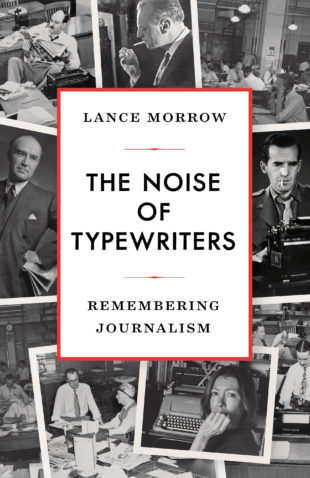
The Romance of Journalism in the American Century
“The book is not a comprehensive history of twentieth century journalism, nor is it trying to be… Its primary goal is to show that journalism is a thing of great import and beauty.”
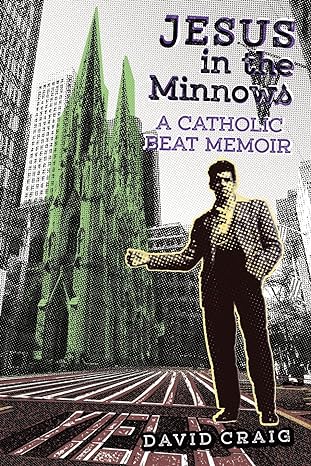
A Wild Ride Characterized by Potholes
“Jesus in the Minnows places a firm coda on the Catholic beat phenomenon: firmly ensconcing what was good within it, while also reflectively revealing the unattractiveness of the hedonism from which the Lord led its members.”
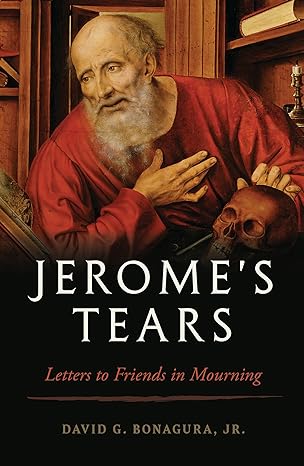
For They Shall Be Comforted
“…St. Jerome[‘s]… heartfelt prose provides warm words of consolation and confident hope to friends mourning the loss of loved ones. Now, for the first time… seven of [his] celebrated letters have been translated into English…”
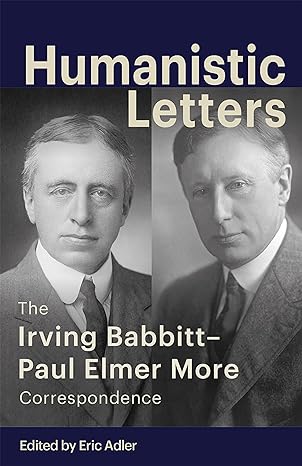
We Few, We Happy Few
“For a humanistic revival to have a chance in the present, those attracted to the ideas of Babbitt and More need to forge friendships, foster communities, and coordinate efforts to bring these ideas to bear on the culture.”

Of Man and Lost Time
“Herzog’s tale explores the surreal quality of a modern-day Robinson Crusoe-like story of a man who has lived in what appears to be a dream world.”
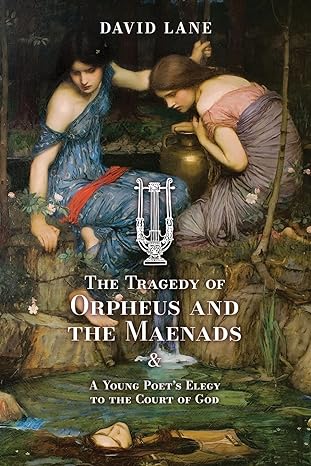
Left to Madness
“This story of Orpheus reveals the immense value of the role of the poet in society.”
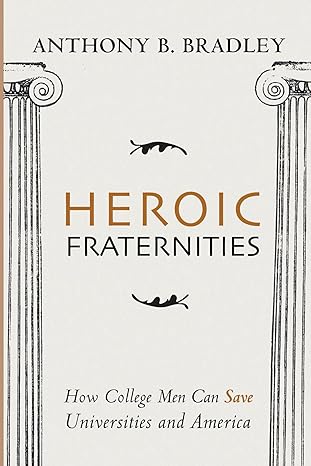
The Crisis of Brotherhood and the Need for Heroic Fraternities
“Bradley believes… that we need to take a hard look at the institutional opportunities that still exist to encourage boys to become men of heroic virtue.”
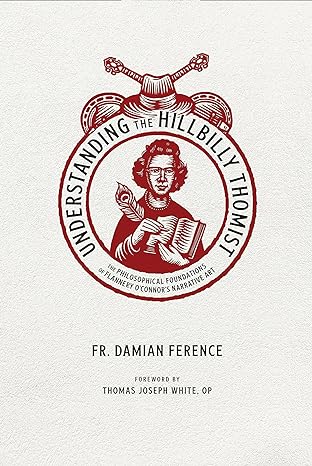
St. Thomas Aquinas With a Southern Drawl
“…Aquinas provides the framework for a new and impressive book on Flannery O’Connor by Fr. Damian Ference…”
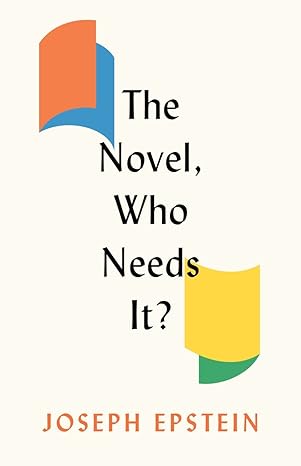
The Novel: We Need It
“What is at stake is the development of a sense of humane understanding, and the decline of this form of understanding surely has much to do with the mounting divisiveness and partisanship in our society today.”
The Book Gallery
A collection of conversations with Bookman editor Luke C. Sheahan and writers and authors of imagination and erudition. Click on the icon in the upper right corner of the video to see more episodes in this series or check out our YouTube page.


Have you read Russell Kirk’s fiction? My dad used to joke that ppl thought there must be two different authors by the same name—one who wrote serious political tomes and the other who wrote supernatural fiction. Story offer below.

What is is like to visit the home of the traditional conservative movement in America?
@mich_enjoyer recently visited the Kirk Center in Mecosta and offers an immersive look at the grounds and ongoing programming of the @KirkCenter.
Shop through Creed and Culture Publishing