The University Bookman
Reviewing Books that Build Culture
Join Kirktober and help support the mission of the University Bookman
Each week the Bookman brings you fresh reviews of the books that build culture, and essays that enliven the Permanent Things. Last year nearly 90,000 visitors engaged with the Bookman’s reviews, all free of charge and with no advertising to disrupt the reading experience. Our writers are touching hearts and minds across the globe with their reviews, bringing wisdom, creativity, and beauty to bear on the most important conversations happening in literature and culture.
Would you consider a gift to help us continue this work?
If just 1 in 4 of our readers contributed $10, we’d dramatically increase our capacity to recruit the brightest young writers and tackle more books and topics, all with a Kirkian angle. We’ve set a goal of raising $20k this month in order to continue our mission. Exceeding this amount will allow us to expand our work even more.
If you love the Bookman, and read us with regularity, we’d greatly appreciate your generous support this month.
With gratitude,
Luke Sheahan, Ph.D., editor
The University Bookman
P.S. As a special thank you to all Bookman supporters this month, we’ll send you a link to an audio recording of Ex Tenebris, one of Kirk’s best ghostly short stories. We think you’ll really enjoy it.
Campaign Progress
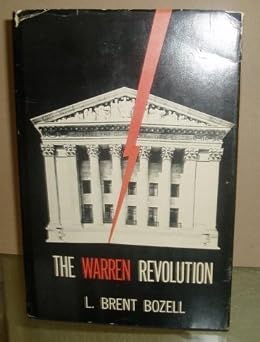
Brent Bozell’s Prophecy of Judicial Imperium at 60
“Bozell’s powerful insight was to show precisely why judicial supremacy, as it fully emerged under the Warren Court, was such a dangerous and ominous threat to the American constitutional order.”
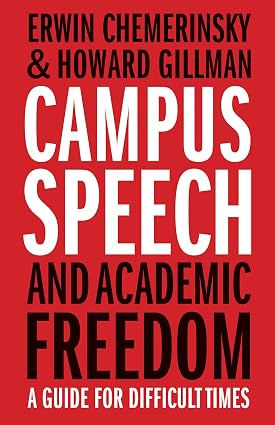
Who Are the Enemies of Academic Freedom?
“…the authors’ efforts to defend free speech and academic freedom ultimately fall flat. This is because, for all their handwringing about the red-state barbarians at the gates, Chemerinsky and Gillman cannot or will not see what their own argument and their own evidence of student, faculty, and administrator behavior show to even a mildly attentive reader: The greatest enemies of higher learning in America remain within the walls.”
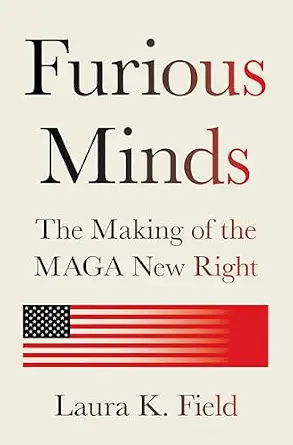
Who’s the Furious One?
“One also comes away from this book with the sense that her allegedly fit-to-be-tied subjects have had no legitimate reason to be concerned or troubled, much less furious, about anything at all in the American body politic. The reigning orthodoxy of liberal pluralism, however that has been packaged and repackaged, apparently had been—and deserves to continue to be—the prevailing story of life in America before, during, and well after what she hopes will soon prove to be little more than a briefly successful outburst on the part of the MAGA right.”
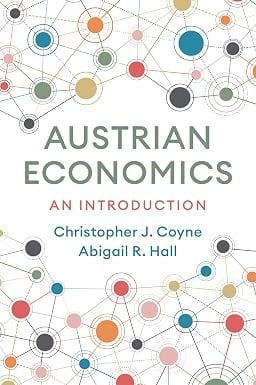
A New Introduction to the Austrian School
“After discussing Menger, the authors go on to present the ideas of subsequent major figures in the history of the Austrian school, including Eugen von Böhm-Bawerk, Friedrich von Wieser, Ludwig von Mises, F.A. Hayek, Israel Kirzner, and Murray Rothbard.”
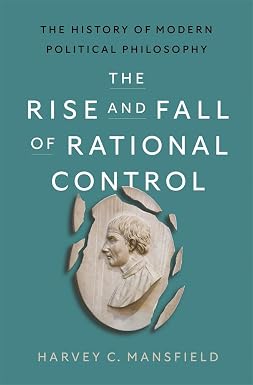
After Mansfield
“In his most recent work… Mansfield presents a rich and nuanced portrait of the development of modern political thought.”
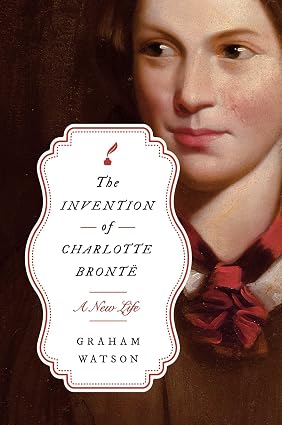
How Charlotte Brontë Became Charlotte Brontë
“Graham Watson’s biography of Charlotte is a judiciously researched and well-written overview of the final years of Charlotte’s life… readers will learn just how central Charlotte was to the literary establishment that both praised and scorned her.”
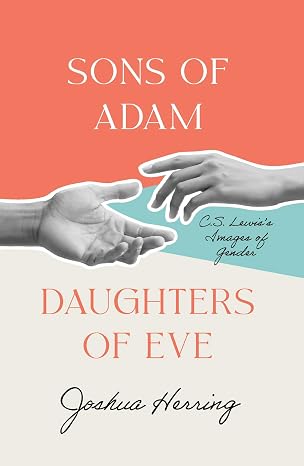
C.S. Lewis and Gender Ideology
“…[Herring] hopes that his exploration of Lewis’ work will inspire and equip Christian readers to understand and respond to our culture’s gender confusion.”
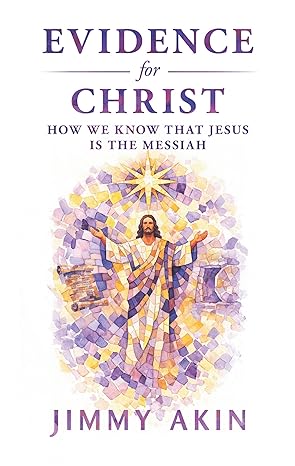
The Case for the Messiah
“…Catholic Answers apologist Jimmy Akin… explores the ancient Jewish idea of the Messiah, along with the historical evidence for Christ, arguing that Jesus is indeed the anointed one foretold in the Old Testament.”
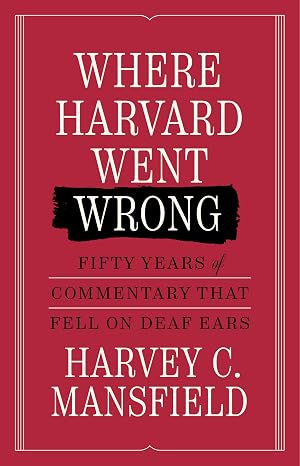
Harvey Mansfield’s Long Dissent
“Mansfield’s central and most important complaint about Harvard… is that its faculty has failed to design or even to articulate the general education that might characterize the educated man.”
The Book Gallery
A collection of conversations with Bookman editor Luke C. Sheahan and writers and authors of imagination and erudition. Click on the icon in the upper right corner of the video to see more episodes in this series or check out our YouTube page.


@ubookman Plus every donor will receive a new audio recording of Kirk's "Ex Tenebris," a great ghostly listen! Help @ubookman reach $20k and continue to review the books that build culture: https://buff.ly/MLnMl4e
Did you hear? This month a generous supporter has offered to MATCH every gift up to $5k for the Kirktober campaign in support of the mission of @ubookman: https://buff.ly/PECA0Az.
Shop through Creed and Culture Publishing