The University Bookman
Reviewing Books that Build Culture
Join Kirktober and help support the mission of the University Bookman
Each week the Bookman brings you fresh reviews of the books that build culture, and essays that enliven the Permanent Things. Last year nearly 90,000 visitors engaged with the Bookman’s reviews, all free of charge and with no advertising to disrupt the reading experience. Our writers are touching hearts and minds across the globe with their reviews, bringing wisdom, creativity, and beauty to bear on the most important conversations happening in literature and culture.
Would you consider a gift to help us continue this work?
If just 1 in 4 of our readers contributed $10, we’d dramatically increase our capacity to recruit the brightest young writers and tackle more books and topics, all with a Kirkian angle. We’ve set a goal of raising $20k this month in order to continue our mission. Exceeding this amount will allow us to expand our work even more.
If you love the Bookman, and read us with regularity, we’d greatly appreciate your generous support this month.
With gratitude,
Luke Sheahan, Ph.D., editor
The University Bookman
P.S. As a special thank you to all Bookman supporters this month, we’ll send you a link to an audio recording of Ex Tenebris, one of Kirk’s best ghostly short stories. We think you’ll really enjoy it.
Campaign Progress
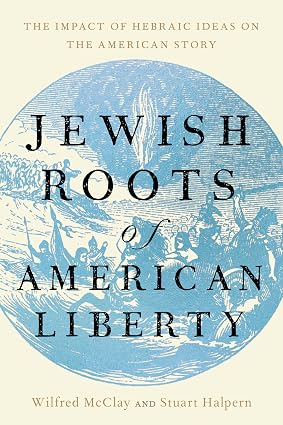
Hebraic Ideas at the Founding
“…is there room for Jews and Christians to draw closer together adding Hebraic ideas into the treasury of American self-understanding?”
What We’re Reading
Summer Reading Suggestions
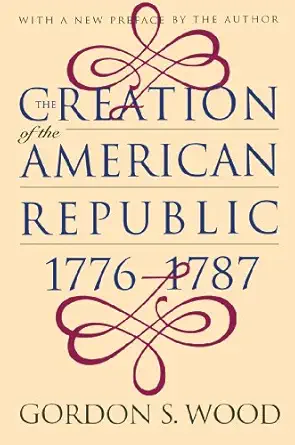
Gordon Wood and the Verisimilitudes of Consensus History
“…Wood’s bold and consistent emphasis was on the revolutionary nature not just of the American Revolution but of America itself… The only sense of nationhood and national purpose, in Wood’s rendering, came from the Revolution…”
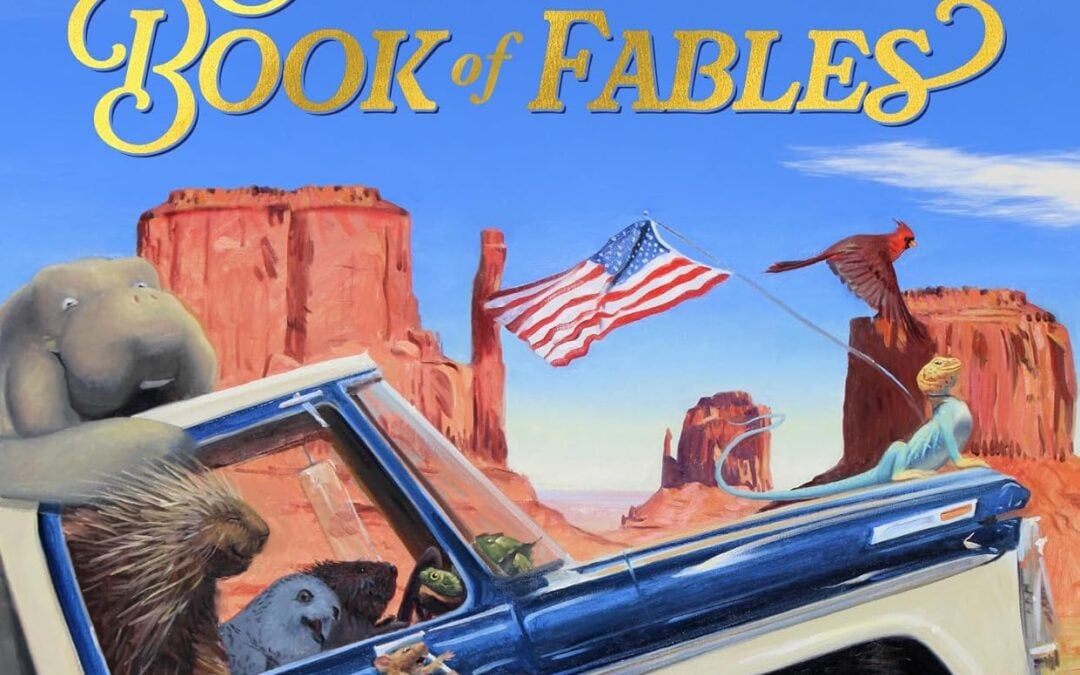
Forming the American Imagination
“Culture-making and imagination formation—in short, the education of the affections—though movies, music, and literature have been left almost entirely to those who view the inherited Western and American tradition with suspicion, if not outright contempt.”
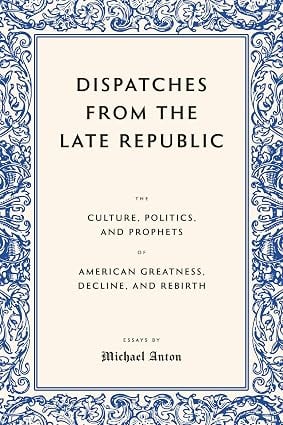
A Man for All Seasons
“His latest book is a collection of essays that reflect the breadth of his interests and the power of his pen. [It] contains delightful ruminations on matters as diverse as his home state of California, his teachers and heroes, domestic culture and politics, foreign affairs, and the miscellaneous diversions that have occupied his lively mind.”
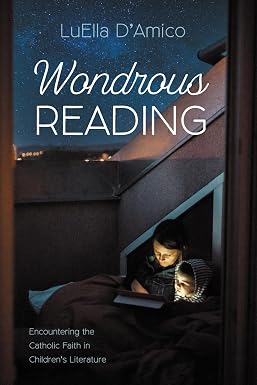
Finding Faith in Fiction
“D’Amico implores us to take time to ‘sink into the wonder’ that our children feel for the big and small details in creation as they see God’s plan unfolding in the world. Parents and caretakers are responsible ‘to invite sacred interpretations of real-life experiences’ by pursuing natural moments of curiosity.”
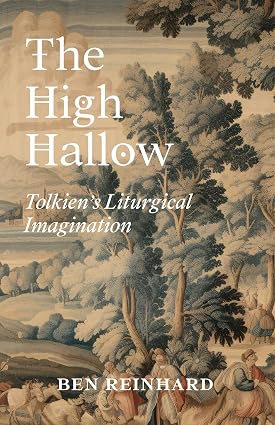
The Liturgical Key to Tolkien
“…Reinhard makes a unique case that exploring Tolkien’s entire body of work through the lens of the Catholic liturgy as Tolkien experienced it turns up rich insights into both the man and the myths he wove.”
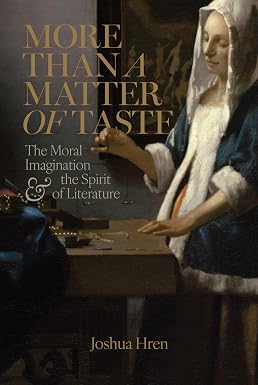
To Find Eyes to See
“Hren selects earnest classics that have stood the test of time—books that generations of readers have found edifying and moving. But also, in the introduction and conclusion alike, Hren returns to another key point of fiction: it doesn’t just help us see extraordinary truth, although it can. More important is that fiction gives us eyes to see the transcendence of ordinary lives, including our own.”

Rural America as It Really Is
“Harold Bell Wright, regardless of how literary tastemakers viewed him in the 1920s, is the central figure in the origin of Branson. Though denigrated by the Baldwins and H. L. Menckens of his day, Wright was one of the century’s best-selling novelists.”
The Book Gallery
A collection of conversations with Bookman editor Luke C. Sheahan and writers and authors of imagination and erudition. Click on the icon in the upper right corner of the video to see more episodes in this series or check out our YouTube page.


@ubookman Plus every donor will receive a new audio recording of Kirk's "Ex Tenebris," a great ghostly listen! Help @ubookman reach $20k and continue to review the books that build culture: https://buff.ly/MLnMl4e
Did you hear? This month a generous supporter has offered to MATCH every gift up to $5k for the Kirktober campaign in support of the mission of @ubookman: https://buff.ly/PECA0Az.
Shop through Creed and Culture Publishing