The University Bookman
Reviewing Books that Build Culture
Join Kirktober and help support the mission of the University Bookman
Each week the Bookman brings you fresh reviews of the books that build culture, and essays that enliven the Permanent Things. Last year nearly 90,000 visitors engaged with the Bookman’s reviews, all free of charge and with no advertising to disrupt the reading experience. Our writers are touching hearts and minds across the globe with their reviews, bringing wisdom, creativity, and beauty to bear on the most important conversations happening in literature and culture.
Would you consider a gift to help us continue this work?
If just 1 in 4 of our readers contributed $10, we’d dramatically increase our capacity to recruit the brightest young writers and tackle more books and topics, all with a Kirkian angle. We’ve set a goal of raising $20k this month in order to continue our mission. Exceeding this amount will allow us to expand our work even more.
If you love the Bookman, and read us with regularity, we’d greatly appreciate your generous support this month.
With gratitude,
Luke Sheahan, Ph.D., editor
The University Bookman
P.S. As a special thank you to all Bookman supporters this month, we’ll send you a link to an audio recording of Ex Tenebris, one of Kirk’s best ghostly short stories. We think you’ll really enjoy it.
Campaign Progress
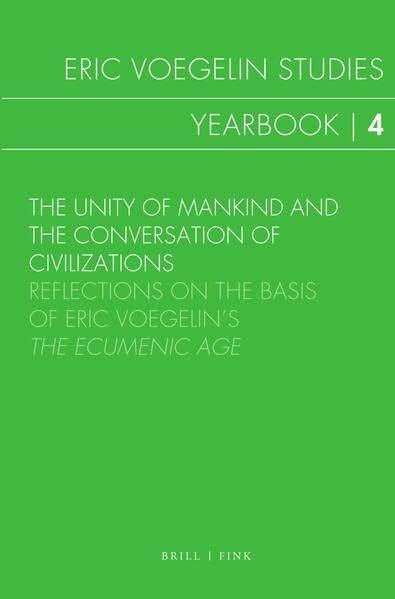
Continually Revising History
“[The book] is a rich resource for Voegelin scholars to consult for their own academic and intellectual pursuits.”
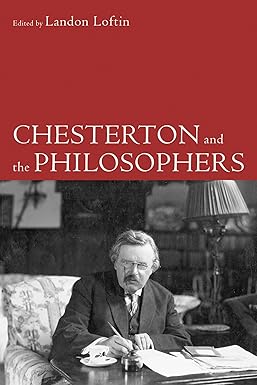
G. K. Chesterton, Friend of Truth
“Each essay is well worth reading on its own, which should be the case whether you are a trained philosopher or something less—or more—than that.”
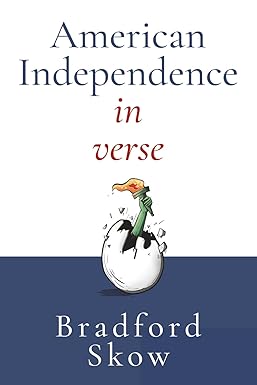
Toward an American Iliad
“As we approach our country’s 250th… Courage is needed, as is fidelity to the bond of ordered liberty that once spurred our forefathers to take up arms to secure the peace and safety we now enjoy.”
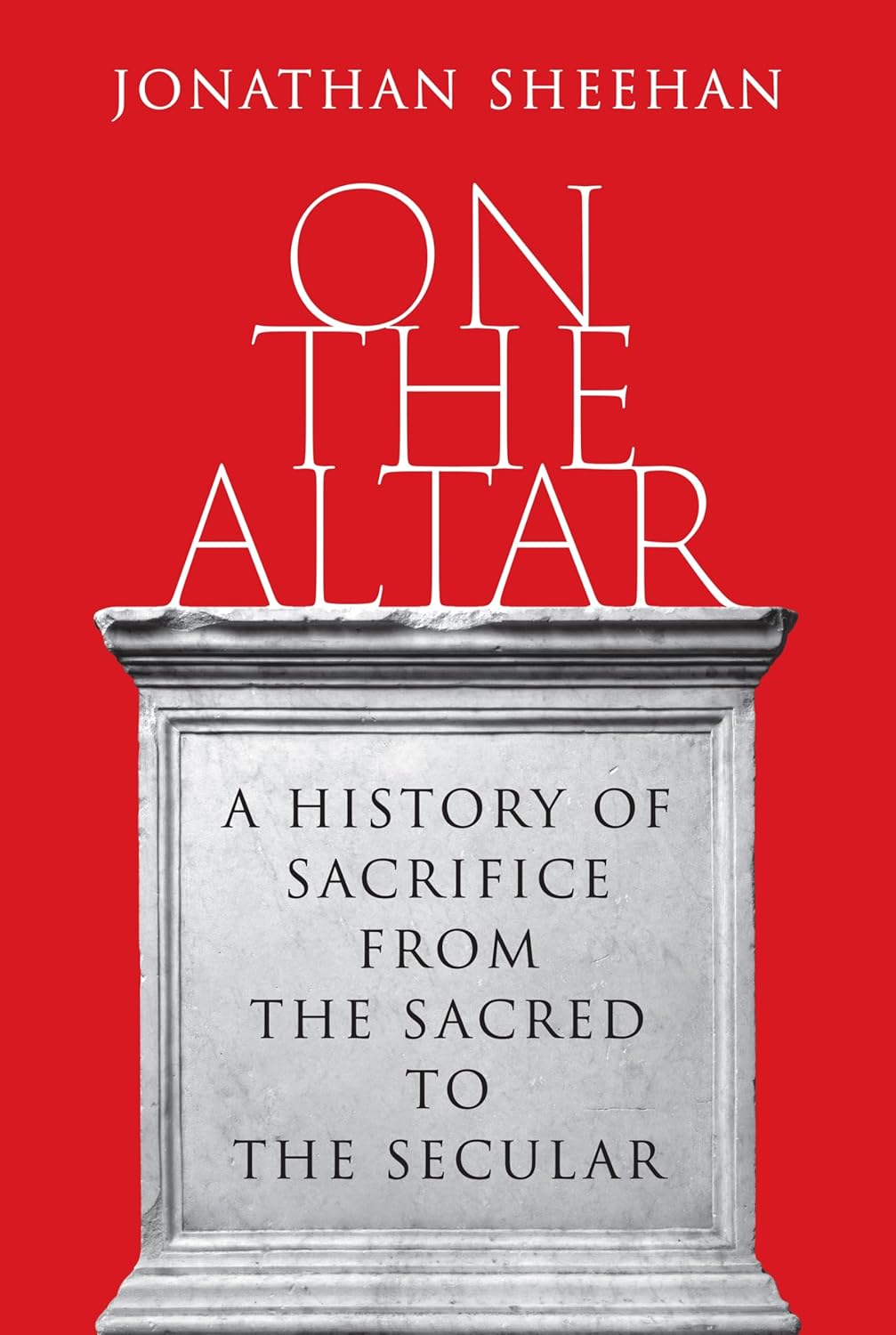
And I Will Go to the Altar of God
“…Professor Sheehan explores the development of the idea of sacrifice from its early roots in the pre-Christian classical world.”
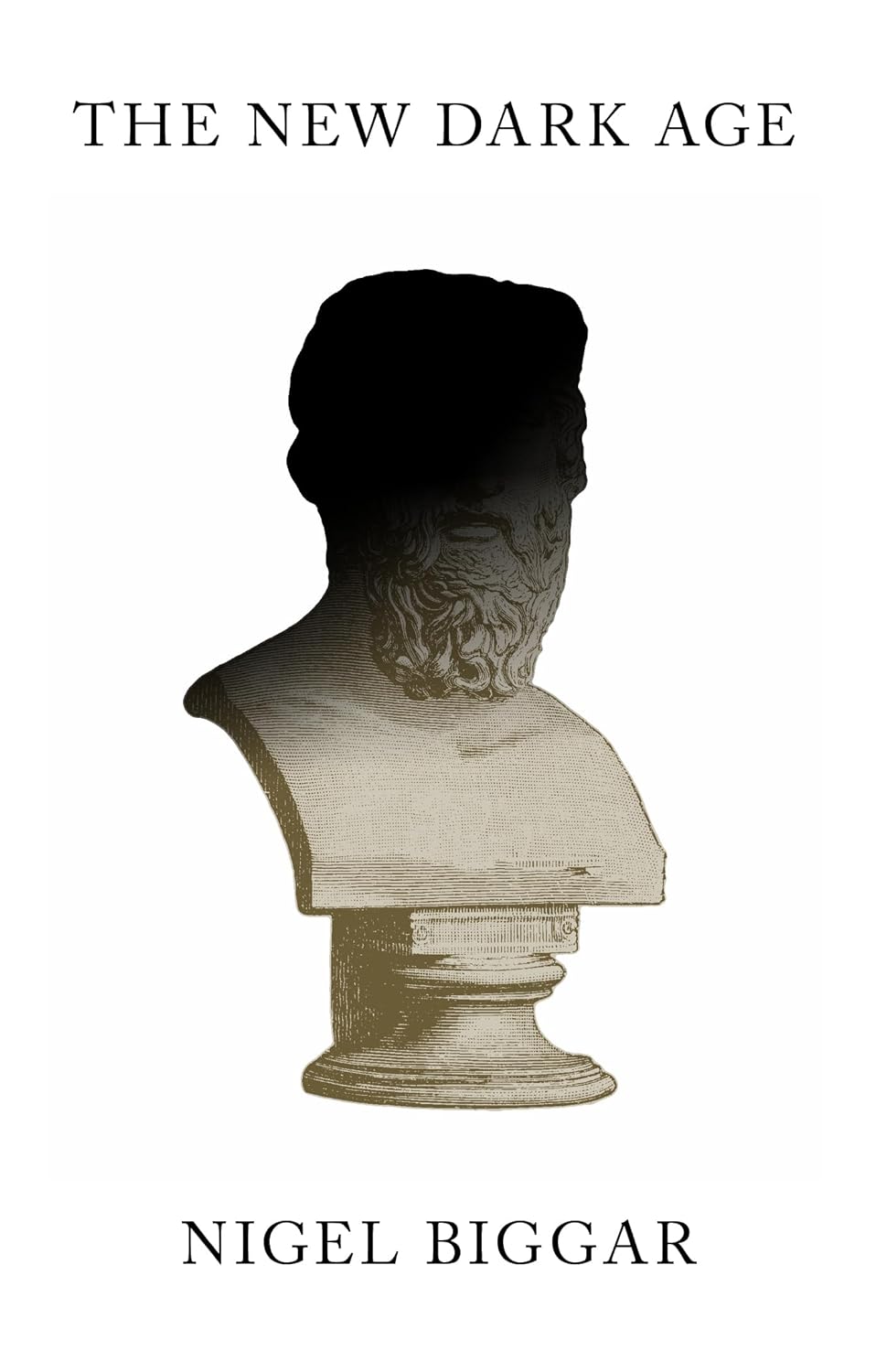
A Liberal Who Met the Cancel Mob
“Biggar sees this aversion to reason and evidence (at least when they interfere with a politically useful narrative) to contain ‘the springs of tyranny,’ since once those are abandoned, the only means left to resolve disagreements is power. Thus, ‘postcolonialists and other “progressive” zealots assume an aggressive, intimidating, repressive, tyrannical posture.’”
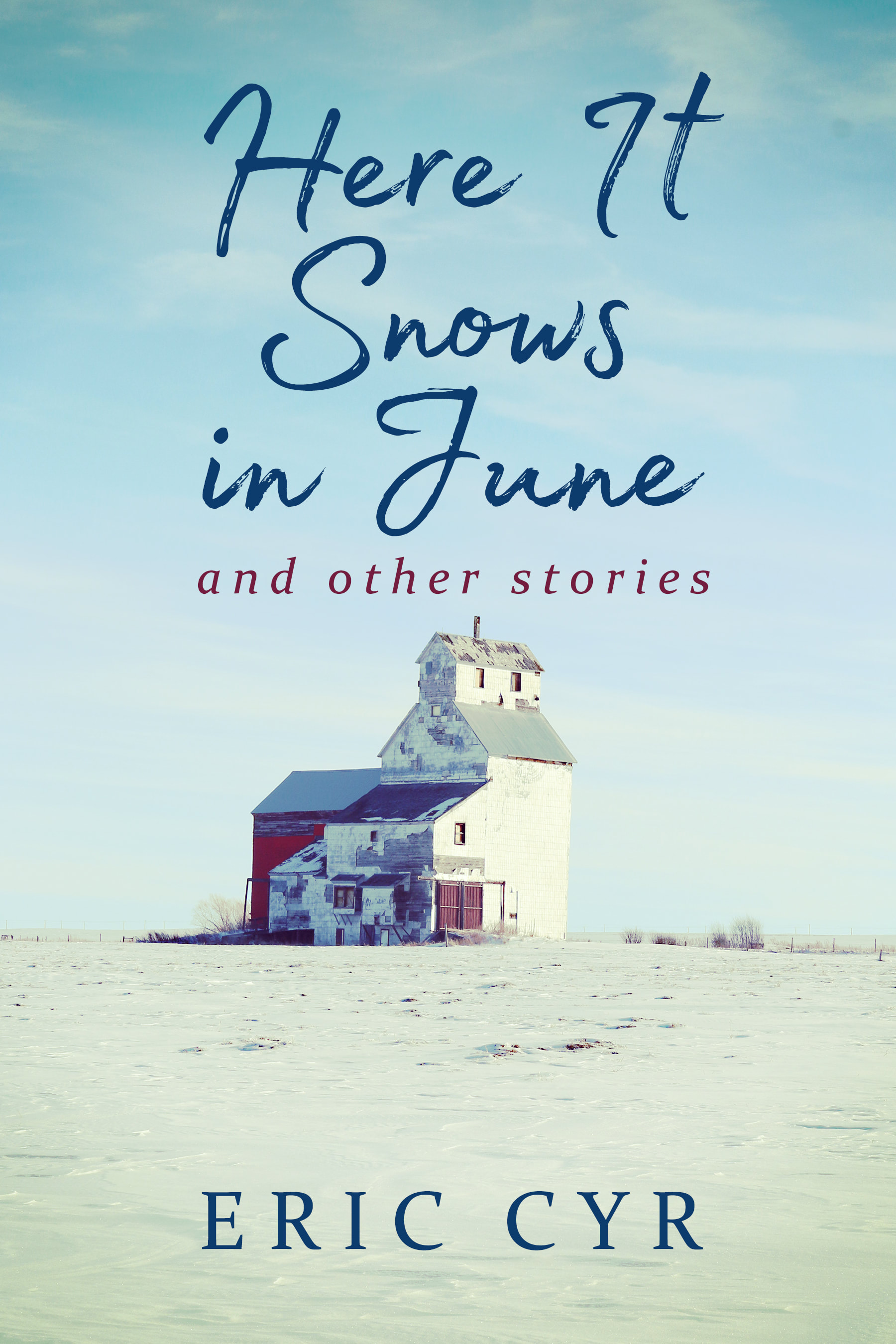
The Midwestern Gothic Stories of Eric Cyr
“It is an unabashedly Midwestern endeavor in every way—a collection of short stories set entirely in the Midwest, written by a Midwestern author, and published by a proudly Midwestern independent publisher that has been producing top-quality books since its inception in 2013. “
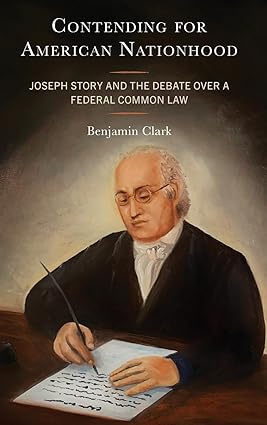
Joseph Story and the Politics of the Early Republic
“the central theme of Clarke’s study is the extent to which the case for the federal common law rests on a thoroughly nationalist understanding of the American founding and union. At a basic level, a common law requires a common people. But even more importantly, Story needed a narrative of consolidated American nationhood to fill the yawning gap in his theory—that there was never any direct, national adoption of the common law.”
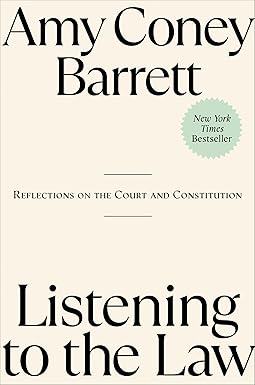
Listening to the Law, and Now Speaking It
“Justice Barrett thus roots an originalist mode of judging in history and tradition. Judging rightly is an inherently conservative endeavor: the judiciary’s very claim to review the work of the political branches draws each political act back to past writing, either in the Constitution or the United States Code. Keeping our politics within the scope of ordered liberty—and most importantly a written text—makes the judiciary the branch that preserves and tempers us in the face of the revolutionary instinct to throw off the so-called ‘dead hand of the past.’”
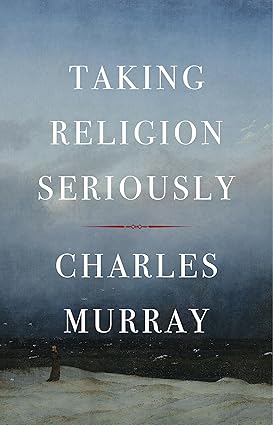
One Man’s Journey to Faith
“Regardless of one’s beliefs, Charles Murray’s [book] must be acknowledged as a notable work. It is a heartfelt account of one man’s (actually, one couple’s) acceptance of religious faith and of Christianity in particular, and while not a work of scholarship, it is informed by extensive reading and decades of thought. Like the work of C.S. Lewis, which inspired Murray’s turn toward Christianity, it is written in an admirably direct and accessible style.”
The Book Gallery
A collection of conversations with Bookman editor Luke C. Sheahan and writers and authors of imagination and erudition. Click on the icon in the upper right corner of the video to see more episodes in this series or check out our YouTube page.