The University Bookman
Reviewing Books that Build Culture
Join Kirktober and help support the mission of the University Bookman
Each week the Bookman brings you fresh reviews of the books that build culture, and essays that enliven the Permanent Things. Last year nearly 90,000 visitors engaged with the Bookman’s reviews, all free of charge and with no advertising to disrupt the reading experience. Our writers are touching hearts and minds across the globe with their reviews, bringing wisdom, creativity, and beauty to bear on the most important conversations happening in literature and culture.
Would you consider a gift to help us continue this work?
If just 1 in 4 of our readers contributed $10, we’d dramatically increase our capacity to recruit the brightest young writers and tackle more books and topics, all with a Kirkian angle. We’ve set a goal of raising $20k this month in order to continue our mission. Exceeding this amount will allow us to expand our work even more.
If you love the Bookman, and read us with regularity, we’d greatly appreciate your generous support this month.
With gratitude,
Luke Sheahan, Ph.D., editor
The University Bookman
P.S. As a special thank you to all Bookman supporters this month, we’ll send you a link to an audio recording of Ex Tenebris, one of Kirk’s best ghostly short stories. We think you’ll really enjoy it.
Campaign Progress
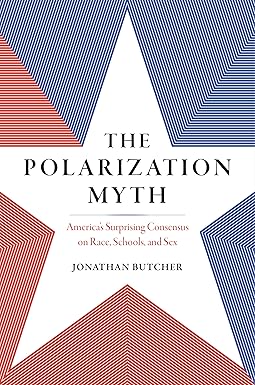
The Consensus Reality
“In his study of an underlying consensus regarding education, race, and gender, Jonathan Butcher has performed a valuable service for those who wish to understand the true nature of the so-called division within American society today.”

Britain at the Turning Point
“A major theme that runs through Allport’s study is the shifting equilibrium of power relations between the United States and Britain. The war demonstrated that, as British power and resources dwindled, Britain became dependent on material and financial supplies from the United States.”
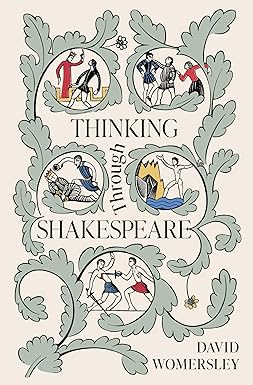
Shakespeare Forever
“…in his rich and thorough exploration of not only Shakespeare’s thoughts but also the course of Western thinking, David Womersley demonstrates that ideas do matter, and that Shakespeare is bigger than the harsh but ultimately timid emotions of our age.”
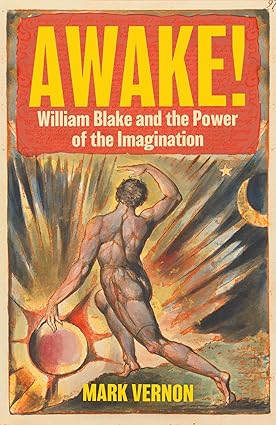
The Innocence of Imagination
“…the innocence that Blake’s poetry sings of is the awe, wonder, and imagination of a child who can conceive of boundless relationships with everything from a flower or butterfly to sister, brother, mother, and father. ‘Growing up,’ Vernon writes in addressing Blake’s poetic philosophy of innocence and imagination, ‘need not mean losing innocence and wonder.’ In fact, a mature innocence that can blend realism with imaginative creativity is key to a good and joyful life.”
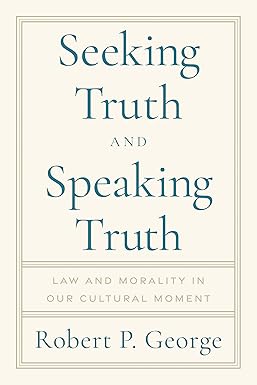
A Problem Deeper than Groupthink
“Now a new volume comes our way from the busy desk of Robert P. George… an essay collection spanning subjects from Catholicism and civic order to ‘gnostic liberalism’ to the interplay of markets and civil society. Despite the broad subject matter, George’s overarching aim in this new collection is to discern how it is that civilization evolved from the ‘Age of Faith’ in the medieval period to the ‘Age of Reason’ of the Enlightenment and its aftermath, only to now arrive at what he calls the ‘Age of Feelings.’”
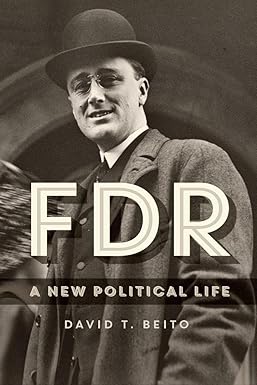
Reconsidering Franklin D. Roosevelt
“Roosevelt’s true genius was the practice of politics. But his success at that practice did not come without costs of its own. Roosevelt may well have believed that his political success and his country’s economic recovery would proceed along parallel paths. But the evidence suggests otherwise. In fact, reading Beito leads one to surmise that the Rooseveltian preoccupation with the politics of leadership may well have significantly delayed and even retarded the very recovery that was supposed to result from his leadership.”
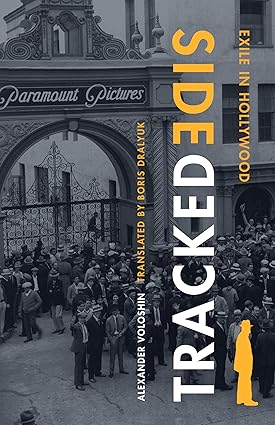
A Forgotten Russian Immigrant Poet in Hollywood
“Nostalgia unquestionably captivates all émigrés. There you may be, decades gone from the old country, and glad of it. Yet still you long for the taste of familiar foods, the sight of those Russian birch trees, and the sound of the language you never have the opportunity to speak outside the home.”
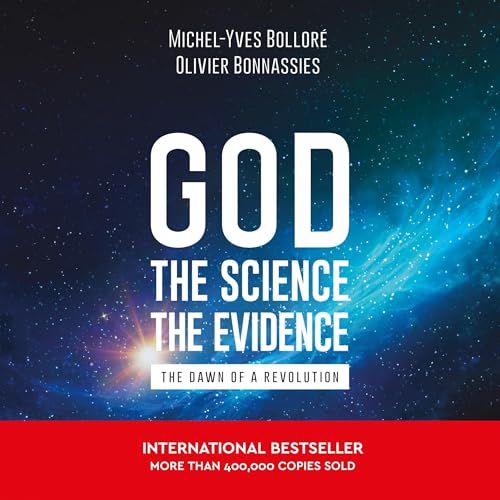
The Scientific Evidence for God
“From the study of the universe to the study of the human cell and the irrational claims of materialism, this book can fortify one’s belief in God and show how that belief is, by far, the most rational one.”
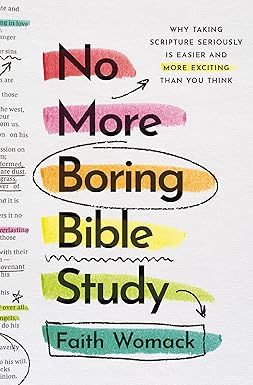
Help Me Read the Word
“Womack introduces important concepts and provides helpful tools to her fellow Bible Nerds to discover the richness of the Word. She also effectively details the different genres of Scripture. These concepts, tools, and details are woven together with personal anecdotes that make the text easily relatable. The author’s love of Scripture shines through, and it can only help anyone honestly pursuing the truth of God’s Word.”
The Book Gallery
A collection of conversations with Bookman editor Luke C. Sheahan and writers and authors of imagination and erudition. Click on the icon in the upper right corner of the video to see more episodes in this series or check out our YouTube page.


Did you hear? This month a generous supporter has offered to MATCH every gift up to $5k for the Kirktober campaign in support of the mission of @ubookman: https://buff.ly/PECA0Az.
@ubookman @NadyaWilliams81 "The past couple of years have been a time of seemingly endless jeremiads about the decline of reading, literacy, and books..in the midst of such chaos, @ubookman simply continues to review ‘books that build culture’—a mission to which I am honored to contribute.”
Shop through Creed and Culture Publishing