The University Bookman
Reviewing Books that Build Culture
Join Kirktober and help support the mission of the University Bookman
Each week the Bookman brings you fresh reviews of the books that build culture, and essays that enliven the Permanent Things. Last year nearly 90,000 visitors engaged with the Bookman’s reviews, all free of charge and with no advertising to disrupt the reading experience. Our writers are touching hearts and minds across the globe with their reviews, bringing wisdom, creativity, and beauty to bear on the most important conversations happening in literature and culture.
Would you consider a gift to help us continue this work?
If just 1 in 4 of our readers contributed $10, we’d dramatically increase our capacity to recruit the brightest young writers and tackle more books and topics, all with a Kirkian angle. We’ve set a goal of raising $20k this month in order to continue our mission. Exceeding this amount will allow us to expand our work even more.
If you love the Bookman, and read us with regularity, we’d greatly appreciate your generous support this month.
With gratitude,
Luke Sheahan, Ph.D., editor
The University Bookman
P.S. As a special thank you to all Bookman supporters this month, we’ll send you a link to an audio recording of Ex Tenebris, one of Kirk’s best ghostly short stories. We think you’ll really enjoy it.
Campaign Progress

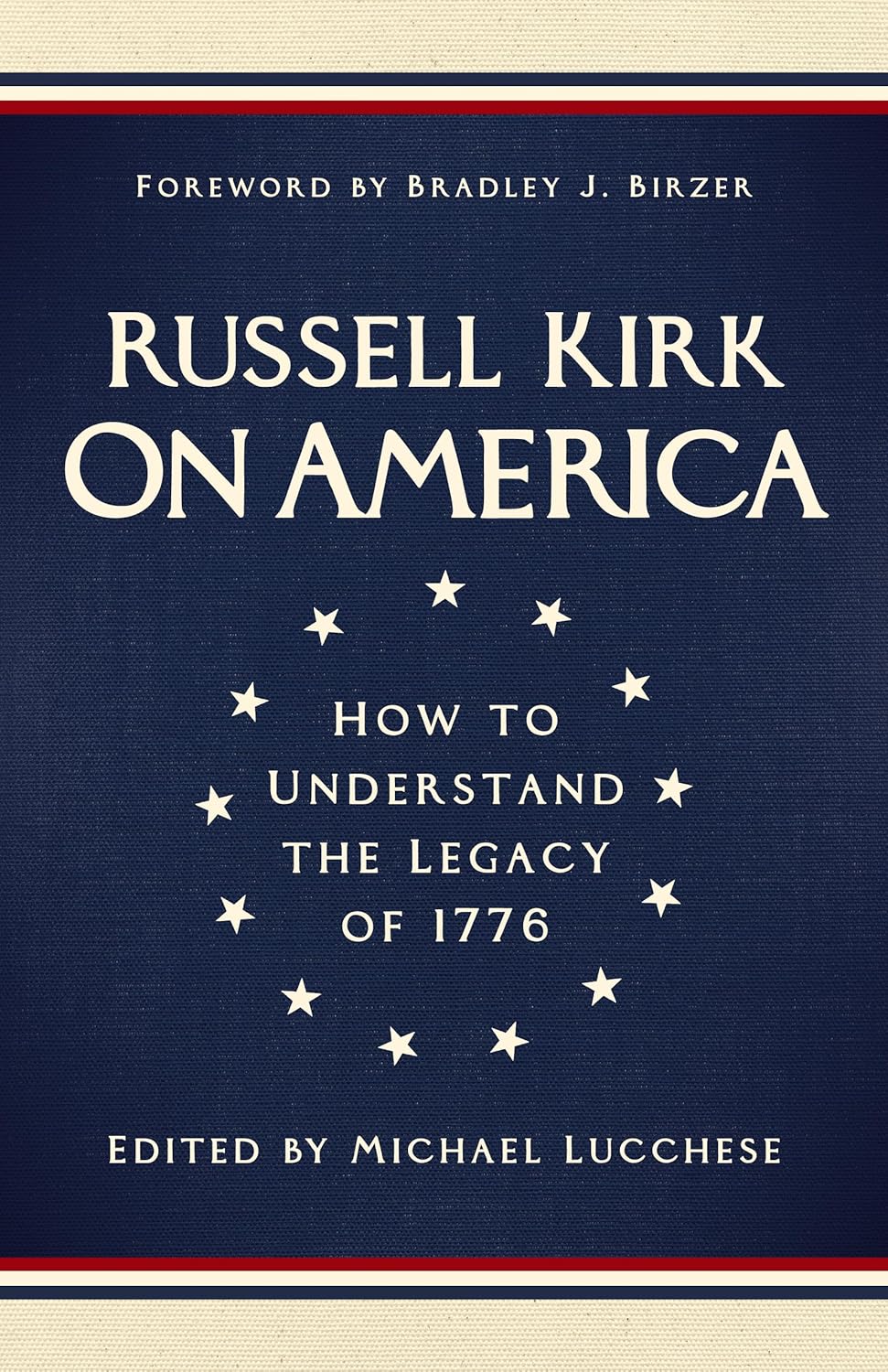
Reviving the Vanished Voice of a Maker
“Dorothy L. Sayers was the premiere female Christian intellectual of twentieth-century Britain, whose foremost accomplishments include being a pioneering detective novelist and religious dramatist, a daring translator of Dante, and a trenchant social critic who advanced a sacramental notion of work against technocratic utilitarianism.”
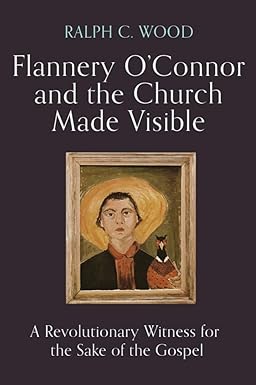
A Scholar for all Seasons
“With this kind of project, the challenge for the author is to craft a thesis that justifies the collection of essays and brings unity to the collection. Wood has done so as well as anyone might. The thesis of the book makes a statement about the Christian church in America.”
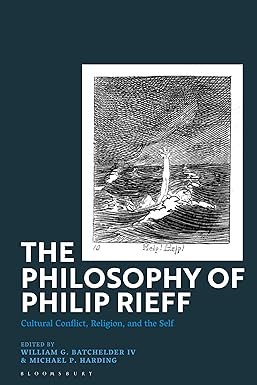
The Formless Void of the Therapeutic
“We are experiencing, in the post-modern era, a slow-motion clash of visions: one which looks outward to the logos; another which finds meaning emerging from within. We need some sense of hope that psychological man does not extinguish what is best about us. To find hope, we must begin with understanding. To find understanding, we might begin with Philip Rieff and with Rieffian thought as developed in this excellent book.”

Thales College Essay Contest Winners
Thales College, a liberal arts and professional education institution based in Raleigh, North Carolina, hosted an international essay contest for high school students. In line with its tradition of publishing rising thinkers alongside established humane voices, The University Bookman is publishing the top two essays from the contest.
Individualism for the Greater Good
“These American heroes show us that we must be self-reliant, while also being team players and working for the common good. Independence and self-reliance do not make heroes ends in themselves.”
Me to We: Changing the I-llusion
“Belonging need not disappear just because we value independence. In fact, my generation can redefine individualism—not as isolation, but as a chance to strengthen ourselves so we can support each other better. It’s about finding the balance between standing on our own and reaching out a hand when someone else needs it.”
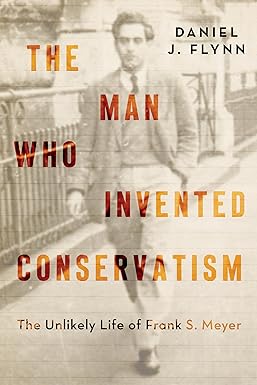
The Truth About Fusionism’s Founder
“…is an impressively investigated and superbly written biography. The incredible narrative is told chronologically in thirty-six chapters enriched by an incredible warehouse discovery that ‘unleashed amazing stories’ and ‘rescued a mislaid, vibrant history’ about a formidable eccentric at the front of a dynamic twentieth-century movement. As unlikely as Meyer’s life was, it is also unlikely that another biography will top Flynn’s splendid portrayal of the cultural warrior who journeyed with supreme optimism to the side he thought could and would win.”
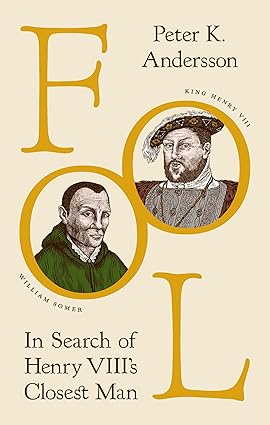
A Fellow of Infinite Jest
“…Peter K. Andersson provides a well-researched and thorough explanation of a man who only appeared to historians as a marginal figure, but who was a seemingly important member of Henry VIII and his children’s social milieu.”
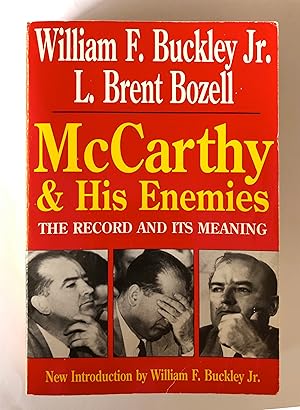
Buckley at 100: The Redhunter, William F. Buckley, Jr.
“[The book] was intended not to confirm all of McCarthy’s accusations or to overlook his failings but instead to attempt to set the record straight about the truths behind many of McCarthy’s allegations and to highlight the danger of ignoring the enemy within.”
The Book Gallery
A collection of conversations with Bookman editor Luke C. Sheahan and writers and authors of imagination and erudition. Click on the icon in the upper right corner of the video to see more episodes in this series or check out our YouTube page.


@ubookman Plus every donor will receive a new audio recording of Kirk's "Ex Tenebris," a great ghostly listen! Help @ubookman reach $20k and continue to review the books that build culture: https://buff.ly/MLnMl4e
Did you hear? This month a generous supporter has offered to MATCH every gift up to $5k for the Kirktober campaign in support of the mission of @ubookman: https://buff.ly/PECA0Az.
Shop through Creed and Culture Publishing