The University Bookman
Reviewing Books that Build Culture
A Measured Look at an Unsettling Ideology
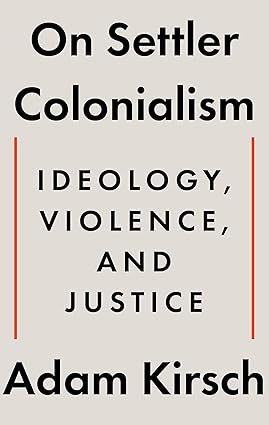
“Kirsch could have limited himself to serving up red meat to readers weary of the excesses of radical students and professors breathing ‘theory and invective,’ but instead, he challenged himself by seriously wrestling with a real problem identified by the settler colonialists. The creation of settler-colonial countries really did displace huge numbers of natives. What does that do to the legitimacy of these countries?”
Stylist for the Ages
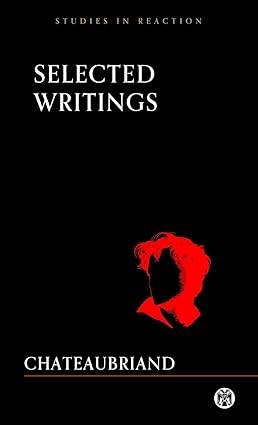
“To estimate Chateaubriand with any justice, one should try to imagine what might have been the effect had Lord Byron not died prematurely of camp-fever at Missolonghi, but rather, having returned to and reconciled with his native country, adopted the political and religious principles of Burke, sat down in his life’s autumn to write an immortal autobiography, and anticipated the coming of the Oxford Movement with a series of energetic defenses of the twin causes of Tory Monarchism and the Established Church.”
Limits and the Good Life
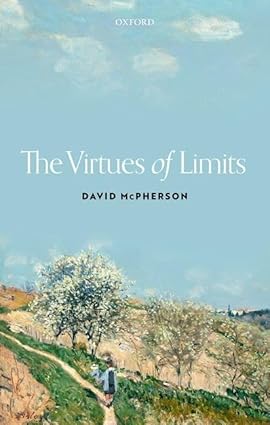
“…David McPherson has written an argument for the importance of ‘recognizing proper limits in human life.’ He focuses on the ‘limiting virtues’ of ‘humility, reverence, moderation, contentment, neighborliness, and loyalty.’”
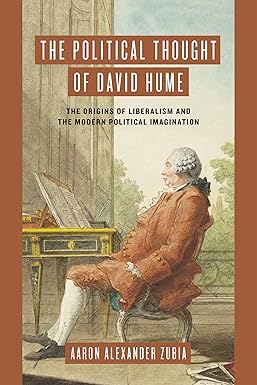
We’re All Epicureans Now
“…as Zubia argues convincingly, Hume’s political vision is not entirely modern but resurrects and reinforces ideas native to the ancient Epicurean framework of empirical skepticism. Hume’s vision of politics, mankind, and truth itself was deeply shaped by Epicureanism, which has, in turn, shaped the modern imagination.”
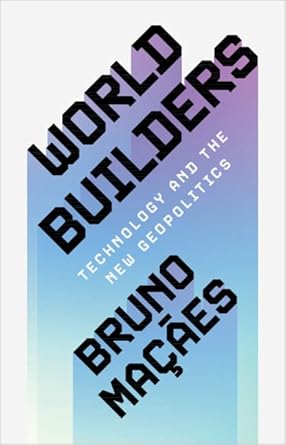
The Rise of the World Builders
“Maçães’s literal interpretation proposes that the ‘geo’ in ‘geopolitics’ takes on new, technological, meaning, insofar as the earth alone is no longer the surface or space of kinetic encounter; rather, ‘this new battlefield is synthetic or virtual’—comprising the realms of technology, energy, trade, and finance—and ‘the way to win is to reprogram the system, to step outside the game world.'”
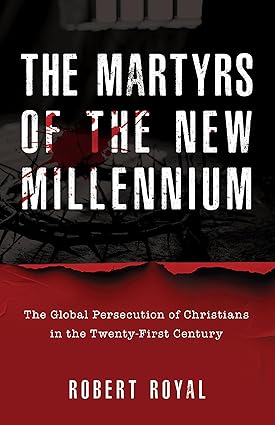
The Martyrs Have Not Gone Away
“Well-researched and carefully footnoted, this new study of contemporary Christian martyrdom quickly draws the reader in through the author’s crisp prose and compelling stories of real people whose extraordinary courage stands in stark contrast to a world increasingly reluctant to live—or die—for anything.”
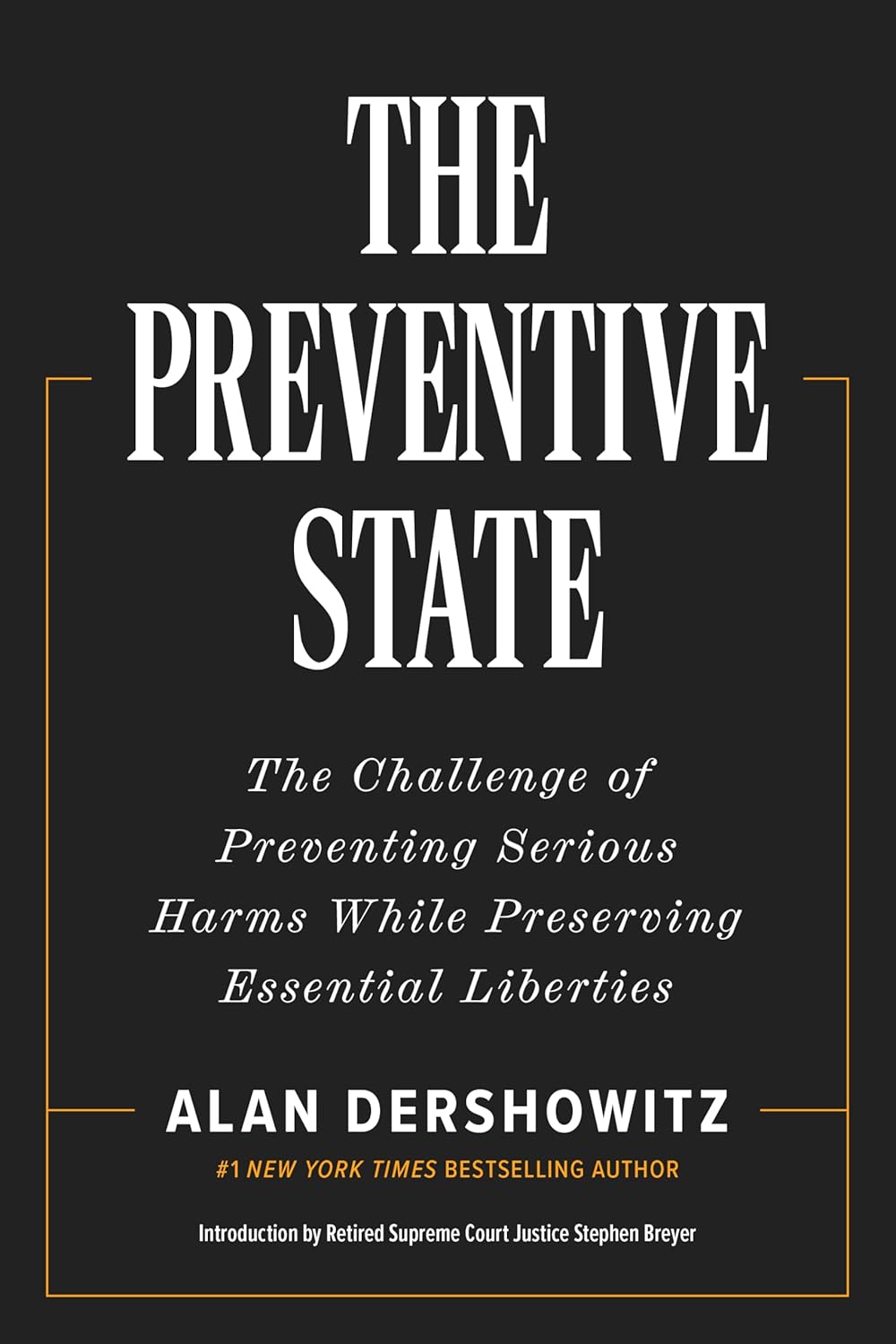
Principle and Pragmatism in Law
“Mixing experience with ‘balancing’—the idea that judges must weigh the pros and cons of a legal problem by attributing to ideas or interests a value—Dershowitz puts forth a jurisprudence of prevention. He embraces Holmes’s idea that ‘prevention’ and not retribution—the idea of just deserts—is ‘to be the chief and only universal purpose of punishment.’”
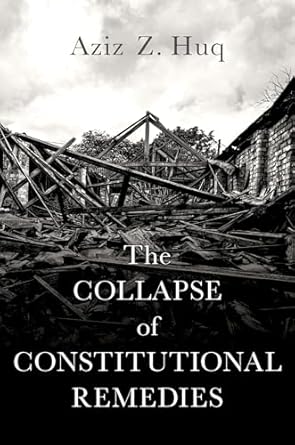
The Collapse of Constitutional Consciousness
“…Huq sees a pattern of injustice where those who ‘bridle against government regulation tend to have an easy glide path into federal court,’ while those who contend that individual rights have been violated find the courts ‘less hospitable.’ He asks meaningful questions about the nature of justice and whether the Constitution supports a just society, yet he subordinates the procedural and structural elements of the Constitution, which give it a backbone and endow it with its strength, to ideological notions of fairness, equity, and cherry-picked rights. He misses the irony in that the very qualities he claims to champion are lost in any system that fails to adhere to procedural norms, including those which set limits to remedies by those acting on behalf of the government.”

Localism is Americanism
“In this fine collection of essays there is not so much as a single hint that any sort of top down solution is the answer, much less a top down solution that requires either a big government or a political figure with something between near-dictatorial and dictatorial power. For localists, it’s bottom up all the way.”
The Book Gallery
A collection of conversations with Bookman editor Luke C. Sheahan and writers and authors of imagination and erudition. Click on the icon in the upper right corner of the video to see more episodes in this series or check out our YouTube page.


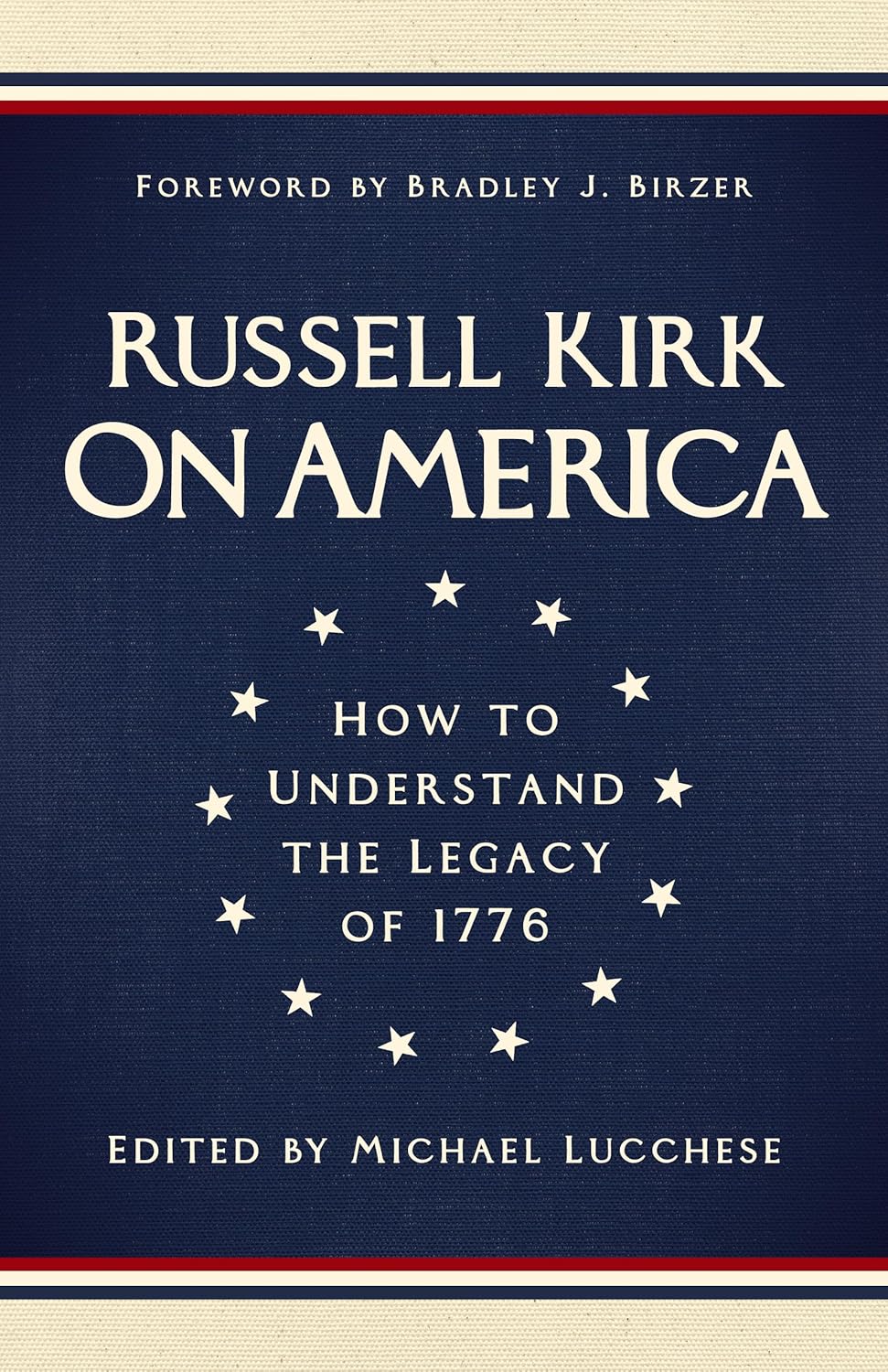
Kirk saw poetry, fiction, tradition, and restraint as essential to understanding America and preserving its character. In his review of "On America," @cjscalia explores Kirk’s vision of the founding, statesmanship, literature, and the enduring ideas that have shaped the republic.
Shop through Creed and Culture Publishing