The University Bookman
Reviewing Books that Build Culture
Join Kirktober and help support the mission of the University Bookman
Each week the Bookman brings you fresh reviews of the books that build culture, and essays that enliven the Permanent Things. Last year nearly 90,000 visitors engaged with the Bookman’s reviews, all free of charge and with no advertising to disrupt the reading experience. Our writers are touching hearts and minds across the globe with their reviews, bringing wisdom, creativity, and beauty to bear on the most important conversations happening in literature and culture.
Would you consider a gift to help us continue this work?
If just 1 in 4 of our readers contributed $10, we’d dramatically increase our capacity to recruit the brightest young writers and tackle more books and topics, all with a Kirkian angle. We’ve set a goal of raising $20k this month in order to continue our mission. Exceeding this amount will allow us to expand our work even more.
If you love the Bookman, and read us with regularity, we’d greatly appreciate your generous support this month.
With gratitude,
Luke Sheahan, Ph.D., editor
The University Bookman
P.S. As a special thank you to all Bookman supporters this month, we’ll send you a link to an audio recording of Ex Tenebris, one of Kirk’s best ghostly short stories. We think you’ll really enjoy it.
Campaign Progress
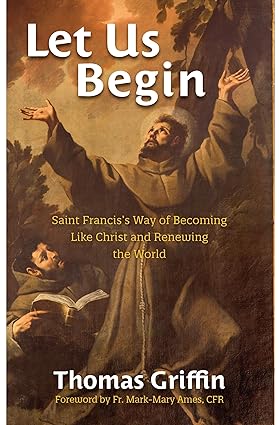
The Real Way to Build Back Better
“If twenty-first-century America, as divided and rancorous as she has been in generations, is to find authentic peace and prosperity, her citizens must look inside their hearts rather than out at the government for a path to renewal. Self-reform is the only way to build society back better, and the Christian religion has long served as its greatest catalyst… Thomas Griffin offers us a model for reform: the way of Saint Francis of Assisi, who was so suffused with love for Jesus Christ that he was able to renew his world.”
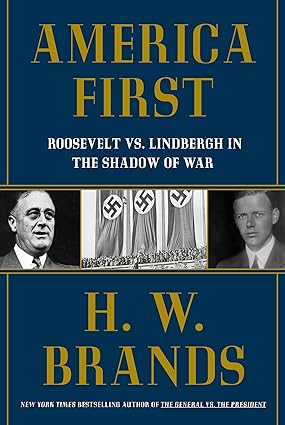
The Original Struggle Between Globalism and America First
“…what could be more timely than an account of the first national ‘America First’ campaign? And who should provide this accounting but historian H. W. Brands whose long string of solid books brands him as one of our most important and most prolific chroniclers?”
Proverbs, Virtues, and Callings
“This is at the heart of Melanchthon’s teaching on virtue in his commentary on Proverbs. We must ‘not undertake anything without our vocation constraining us,’ but within these vocations we must find the specific virtues that will adorn them and make our efforts useful.”
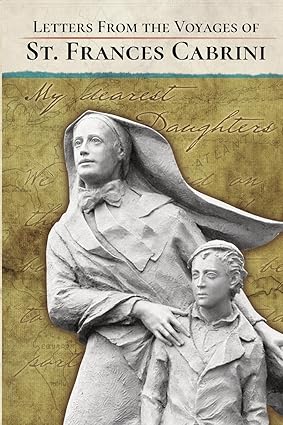
Cabrini: The Humble Saint Behind the Film
“Cabrini, the nun who would become a saint, dedicated her life to helping good people in practical ways… Her letters, carefully collected… showed the love that motivated her kindness.”
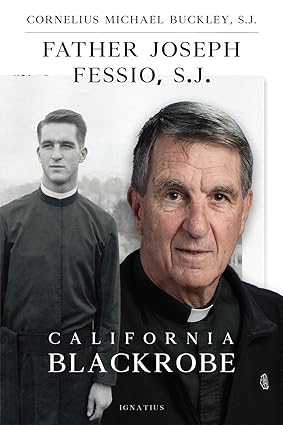
The Fessio Phenomenon
“I wish I could say that the recent history of Catholic higher education in America made sense, but, thanks to Father Buckley, it makes more sense to me than it used to.”
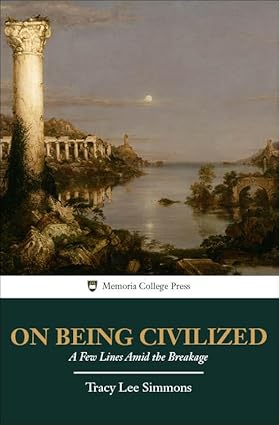
Transmitting Western Civilization Through Education
“…this book is a meditation on the idea of civilization and the role of education in transmitting a civilized life to future generations.”
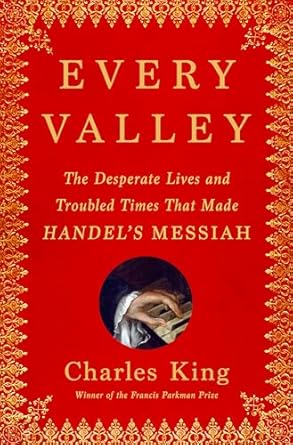
The Divine Inspiration of Handel’s Messiah
“…to tell the story of the unusual circumstances and influences giving rise to Handel’s religious oratorio while ignoring that the purpose of the great work is to testify to faith in God in Jesus Christ is analogous to writing a biography of Martin Luther King, Jr. and using examples of his use of Scripture to illustrate only his political savvy, and not also what he actually believed in as a Christian minister.”
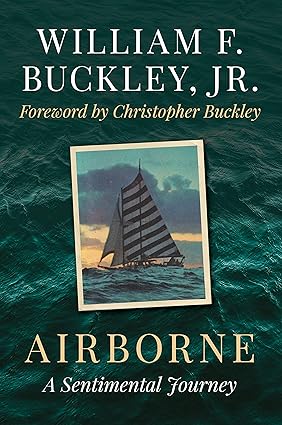
Buckley at 100: At Sea with William F. Buckley Jr.
“An elegant jet-setter with a flair for literary journalism, Buckley had few rivals in the art of travel writing, especially when it came to sailing. A master storyteller, he adeptly wove devices of fiction together with reportage to craft entertaining narratives full of exuberance and authority.”
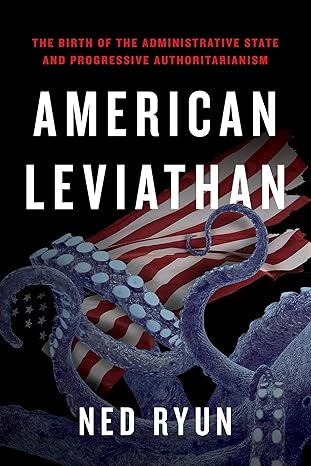
Roadmap for Downsizing the Administrative State
“Ryun begins by describing the ‘leviathan’ that has overtaken our democracy. It is crucial to understand that the administrative state is not merely a costly and wasteful but essentially innocuous excess of bureaucracy: it is, rather, an ‘unelected, detached, powerful bureaucracy’ that now controls most of our nation’s legislative, executive, and judicial functions, and as such it represents ‘nothing less than a regime change against and over the Constitution of 1787.’
The Book Gallery
A collection of conversations with Bookman editor Luke C. Sheahan and writers and authors of imagination and erudition. Click on the icon in the upper right corner of the video to see more episodes in this series or check out our YouTube page.