The University Bookman
Reviewing Books that Build Culture
Join Kirktober and help support the mission of the University Bookman
Each week the Bookman brings you fresh reviews of the books that build culture, and essays that enliven the Permanent Things. Last year nearly 90,000 visitors engaged with the Bookman’s reviews, all free of charge and with no advertising to disrupt the reading experience. Our writers are touching hearts and minds across the globe with their reviews, bringing wisdom, creativity, and beauty to bear on the most important conversations happening in literature and culture.
Would you consider a gift to help us continue this work?
If just 1 in 4 of our readers contributed $10, we’d dramatically increase our capacity to recruit the brightest young writers and tackle more books and topics, all with a Kirkian angle. We’ve set a goal of raising $20k this month in order to continue our mission. Exceeding this amount will allow us to expand our work even more.
If you love the Bookman, and read us with regularity, we’d greatly appreciate your generous support this month.
With gratitude,
Luke Sheahan, Ph.D., editor
The University Bookman
P.S. As a special thank you to all Bookman supporters this month, we’ll send you a link to an audio recording of Ex Tenebris, one of Kirk’s best ghostly short stories. We think you’ll really enjoy it.
Campaign Progress
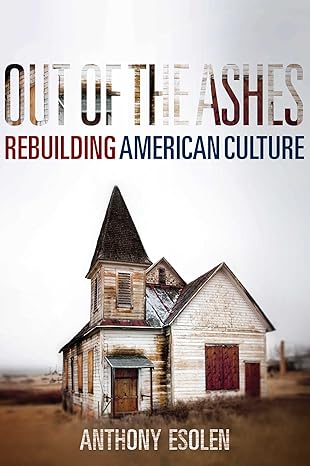
To Recover Is to Return
“The decline [Esolen] has diagnosed is not merely a shift in cultural tastes or even a change in values; it is a near total loss of what it means to be human.
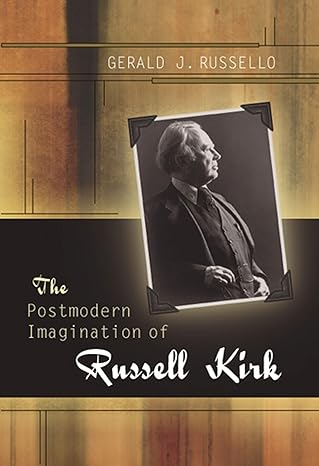
Gerald Russello and the Art of Memory
This essay was delivered as a memorial lecture at Fordham University, New York, on November 15, 2023.
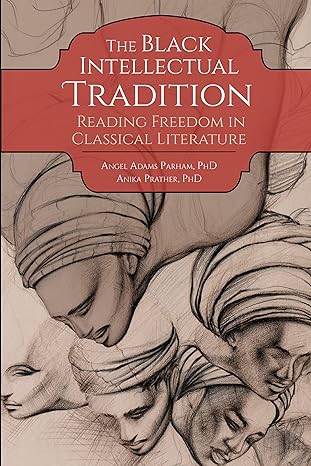
Claiming the Classical Tradition
“The book stands as a powerful argument that the Classical Tradition has been essential to the lived Black experience in the United States for four centuries. And consequently, the book asserts that any attempts to deny such a connection severs Black Americans from a heritage to which they owe much and from which they will find a treasure trove of wisdom.”
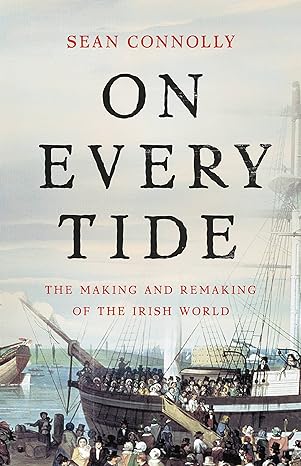
The Definitive Guide to the Irish in the Modern World
“Connolly has written the definitive study of Irish immigration throughout the world.”
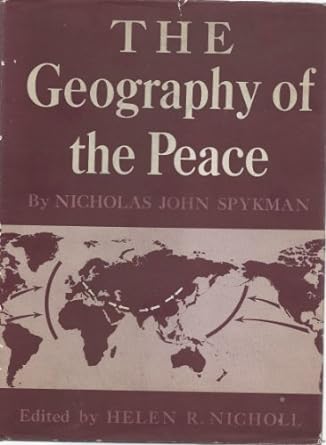
The Geography of the Peace at Eighty
“…Spykman’s book was meant to educate American policymakers and citizens on the permanent geopolitical factors that should guide U.S. foreign policy into the future. Some of Spykman’s ideas resonate in 2024.”
Russell Kirk and Japan: Enamored by the Dead
“Kirk’s multifaceted persona, blending serious conservative thought with a penchant for the mysterious, underscores the complexity of his intellectual legacy, which I continue to try to unravel even today.”
Comments on Hiro Aida’s Speech on Russell Kirk and Japan
“But Kirk’s work and, more importantly, his approach remain eternally relevant, not just here in his home country, but as Hiro has shown, in countries and cultures very different from Kirk’s.”
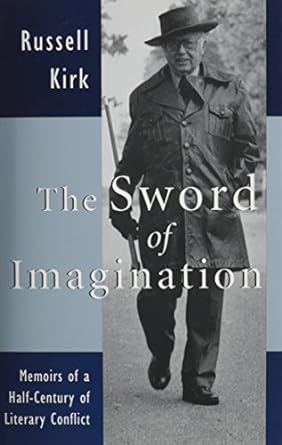
Is Life Worth Living?
“Both on authority and through his own insights and experiences, Kirk had come to understand that there exists a realm of being beyond this temporal world and that a mysterious providence works in human affairs—that man is made for eternity. Such knowledge had been consolation and compensation for sorrow.”
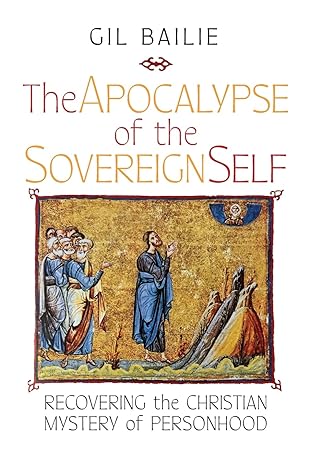
Recovering the Person
“[Bailie] examines this impending, all-too-possible crisis facing Western societies by studying the construction, evolution, and coming apocalypse of the sovereign self.”
The Book Gallery
A collection of conversations with Bookman editor Luke C. Sheahan and writers and authors of imagination and erudition. Click on the icon in the upper right corner of the video to see more episodes in this series or check out our YouTube page.


Did you hear? This month a generous supporter has offered to MATCH every gift up to $5k for the Kirktober campaign in support of the mission of @ubookman: https://buff.ly/PECA0Az.
@ubookman @NadyaWilliams81 "The past couple of years have been a time of seemingly endless jeremiads about the decline of reading, literacy, and books..in the midst of such chaos, @ubookman simply continues to review ‘books that build culture’—a mission to which I am honored to contribute.”
Shop through Creed and Culture Publishing