The University Bookman
Reviewing Books that Build Culture
Join Kirktober and help support the mission of the University Bookman
Each week the Bookman brings you fresh reviews of the books that build culture, and essays that enliven the Permanent Things. Last year nearly 90,000 visitors engaged with the Bookman’s reviews, all free of charge and with no advertising to disrupt the reading experience. Our writers are touching hearts and minds across the globe with their reviews, bringing wisdom, creativity, and beauty to bear on the most important conversations happening in literature and culture.
Would you consider a gift to help us continue this work?
If just 1 in 4 of our readers contributed $10, we’d dramatically increase our capacity to recruit the brightest young writers and tackle more books and topics, all with a Kirkian angle. We’ve set a goal of raising $20k this month in order to continue our mission. Exceeding this amount will allow us to expand our work even more.
If you love the Bookman, and read us with regularity, we’d greatly appreciate your generous support this month.
With gratitude,
Luke Sheahan, Ph.D., editor
The University Bookman
P.S. As a special thank you to all Bookman supporters this month, we’ll send you a link to an audio recording of Ex Tenebris, one of Kirk’s best ghostly short stories. We think you’ll really enjoy it.
Campaign Progress
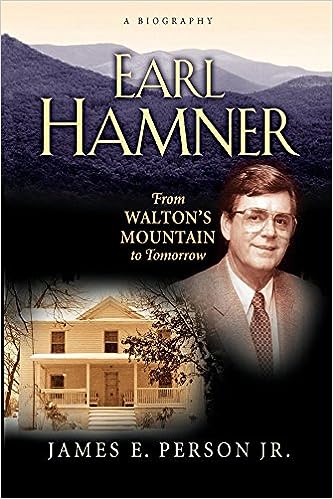
“To Help Man Endure by Lifting His Heart”: Earl Hamner at 100
“Through his work, Earl Hamner not only became one of America’s favorite storytellers; he also became a conservator of the truth that though the modern world disdains the past and elevates immediacy, wealth, and power, the true measure of life’s meaning lies in love, grace, gentleness, forgiveness, and joy.”
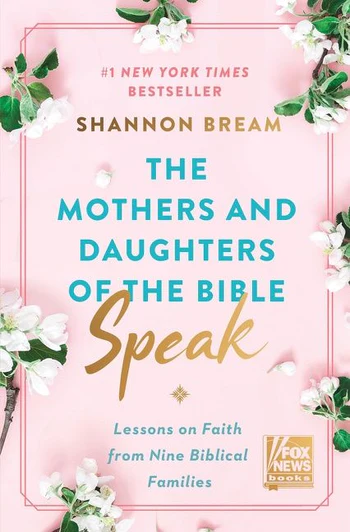
The Women of the Bible Speak Again
“…[Bream] once again delivers lively retellings of selected biblical tales—some more familiar than others—as well as spiritual insights that are both relevant and profound.”
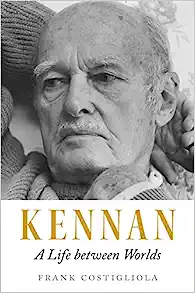
Inside the Split Mind of George Kennan
“It is [Costigliola’s] contention that the American militarization of the Cold War was a mistake for which he holds Kennan significantly, but far from exclusively, responsible.”
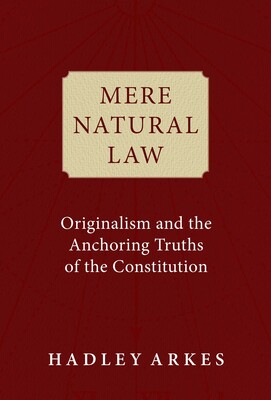
Real Natural Law
“The existence of God and his providential governance of the universe are the right subjects for public debate over the basis and content of natural law.”
Knights On a Darkling Plain
“Kirk’s reminder speaks to the selflessness of those who defend the ‘permanent things’ and the importance of these things (family, community, faith, and tradition) to our world.”
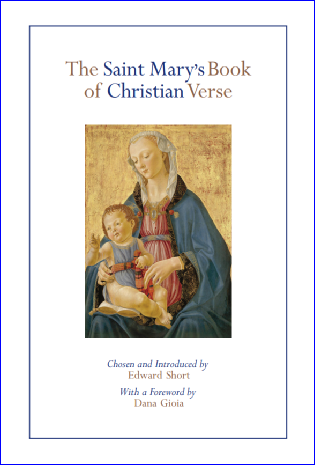
Mysteries Require Odes, Not Emails
“In this volume Christian verse encompasses religious themes addressed ‘explicitly or implicitly’ by poets, whether practicing or lapsed, ‘whose imagination is shaped by the tenets, symbols, and traditions of the faith.’
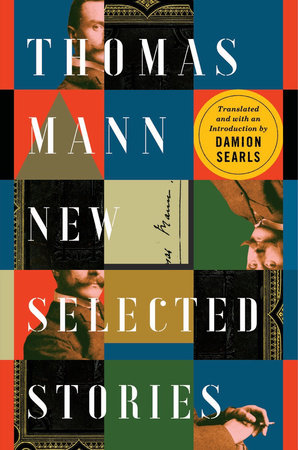
Every Mann
“…Mann blends those aforementioned Big Questions with little daily ones of eternal significance…”
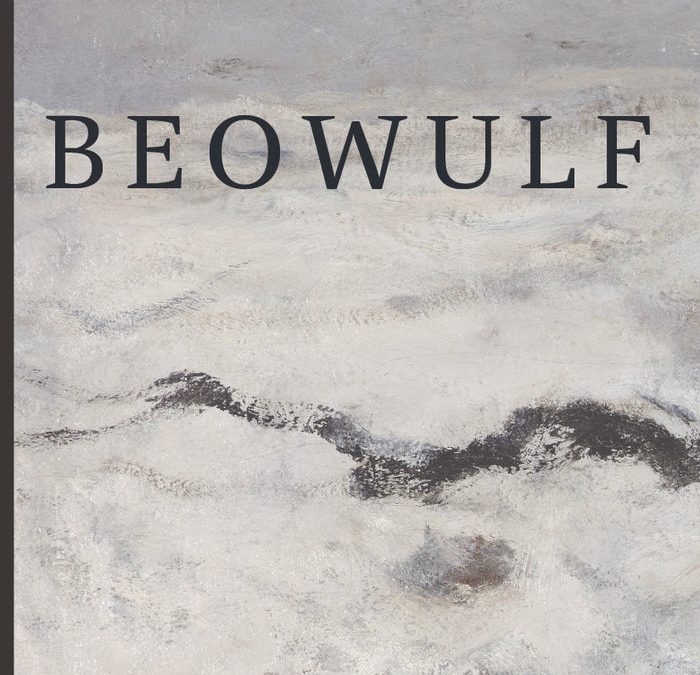
Lofty Prose in a New Translation of Beowulf
“…Reinhard’s elegant translation and perspicacious notes present fresh reasons for picking up this ancient classic.”
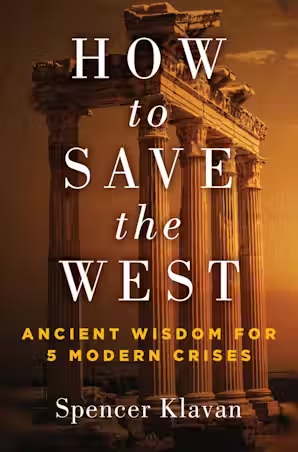
Saving the West By Keeping It Real
“…Klavan applies his extensive knowledge of classical literature and the Western canon to properly frame today’s challenges and help people take appropriate action.”
The Book Gallery
A collection of conversations with Bookman editor Luke C. Sheahan and writers and authors of imagination and erudition. Click on the icon in the upper right corner of the video to see more episodes in this series or check out our YouTube page.