Welcome Home to the Russell Kirk Center
Strengthening America’s Tradition of Order, Justice & Freedom
The Russell Kirk Center for Cultural Renewal aims to recover, conserve, and enliven those enduring norms and principles that Russell Kirk (1918–1994) called the Permanent Things. Explore the Center’s programs, publications, and fellowships and join with us to continue Kirk’s work to renew our culture and redeem our time.
Sign up to receive our semiannual newsletter, Permanent Things.
At the Kirk Center
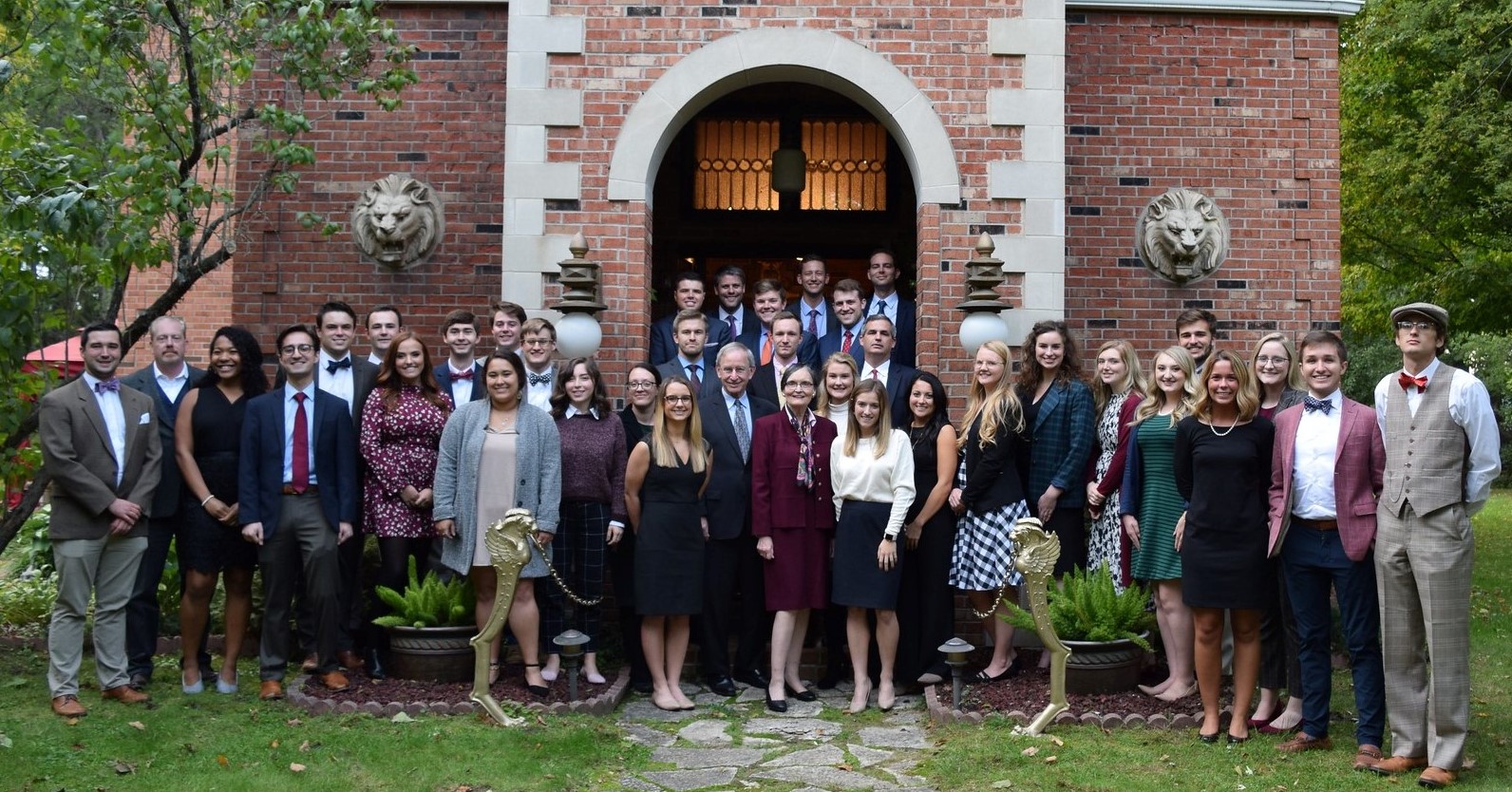
Events
April 15 – May 13: Online Master Class — The Conservative Mind
June 20: Public Seminar — Knights, Heroes, and Patriots: Howard Pyle and the Shaping of the American Moral Imagination
September 26: Public Conference — Reclaiming Authentic Conservatism: Russell Kirk and the Roots of American Order
Mecosta House Books
Explore Mecosta House
At Mecosta House, we aim to combine with the Kirk Center’s programs to foster an intellectual community dedicated to exploring the wisdom of our predecessors while forging a new conservative humanism.
We hope our readers will be edified by the titles we publish, and that they will strengthen the programs and the courses we will introduce at the Kirk Center as part of our School of Conservative Studies. David Hein’s Teaching the Virtues offers a fresh look at a perennial educational aim—encouraging virtue in the next generation, and we are proud to present it as our first book.
From the University Bookman
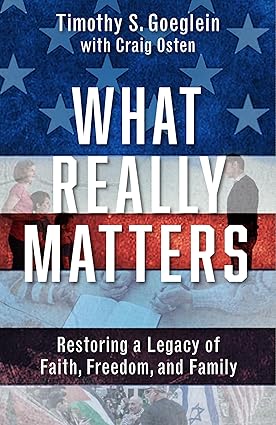
The Enduring Sources of the Permanent Things
“The result is less a polemic against the present than a gentle yet firm invitation to remember what we have nearly forgotten—that the good life is not a solitary pursuit of personal authenticity but a shared enterprise of commitment, sacrifice, and mutual regard. What makes the book so especially resonant is its refusal to treat these themes as abstract ideals.”
Latest Pieces
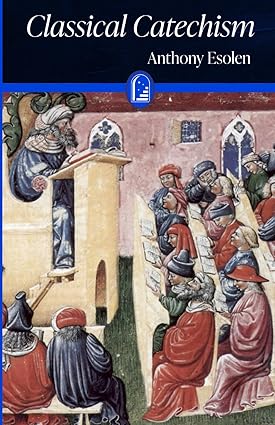
Talking Classical Education
“It is an introduction to the pedagogical life of a classical school. It is a philosophical argument for a particular approach to being a classical teacher. It is a work of cumulative experiences which manifest in teacherly wisdom. And it is a treatise aimed at critiquing the Modern Industrial Model of Education which has characterized the last several decades of American schooling.”
Liberal Education and Its Critics
“Taylor’s biggest concern appears as he nears his conclusion and is not so much that the humanities envy the sciences but that the humanities are largely responsible for their own destruction. He writes, ‘…perhaps the very project of thinking about our values—a project at the heart of the arts and humanities broadly conceived—is either feared or no longer widely valued in our society….there is a powerful and increasingly unselfconscious utilitarianism at work.’”
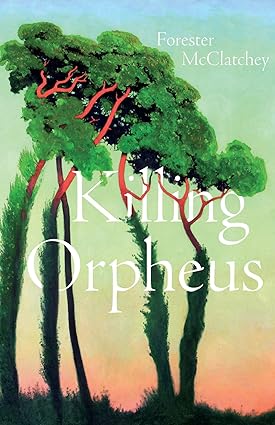
Poetry of Transcendence
“A related, and most welcome, theme in Killing Orpheus is memento mori, a reminder of the inevitability of death. Our lives have become so long, easy, and comfortable that death has become something of an inconvenient truth, which many prefer to ignore or forget. McClatchey is not one of them, thankfully: the collection abounds with reminders of our mortality.”
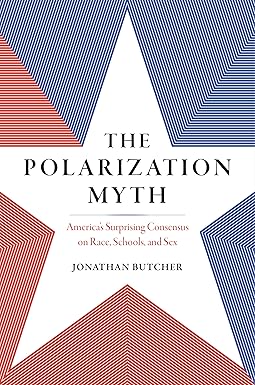
The Consensus Reality
“In his study of an underlying consensus regarding education, race, and gender, Jonathan Butcher has performed a valuable service for those who wish to understand the true nature of the so-called division within American society today.”

Britain at the Turning Point
“A major theme that runs through Allport’s study is the shifting equilibrium of power relations between the United States and Britain. The war demonstrated that, as British power and resources dwindled, Britain became dependent on material and financial supplies from the United States.”
About the Bookman
For six decades, the University Bookman, founded by Russell Kirk, has identified and discussed those books that diagnose the modern age and support the renewal of culture and the common good. Currently published online, the Bookman continues its mission of examining our times in light of the Permanent Things that make us human.
Subscribe for all Bookman Reviews and Essays