
On the Endlessness of the World Story
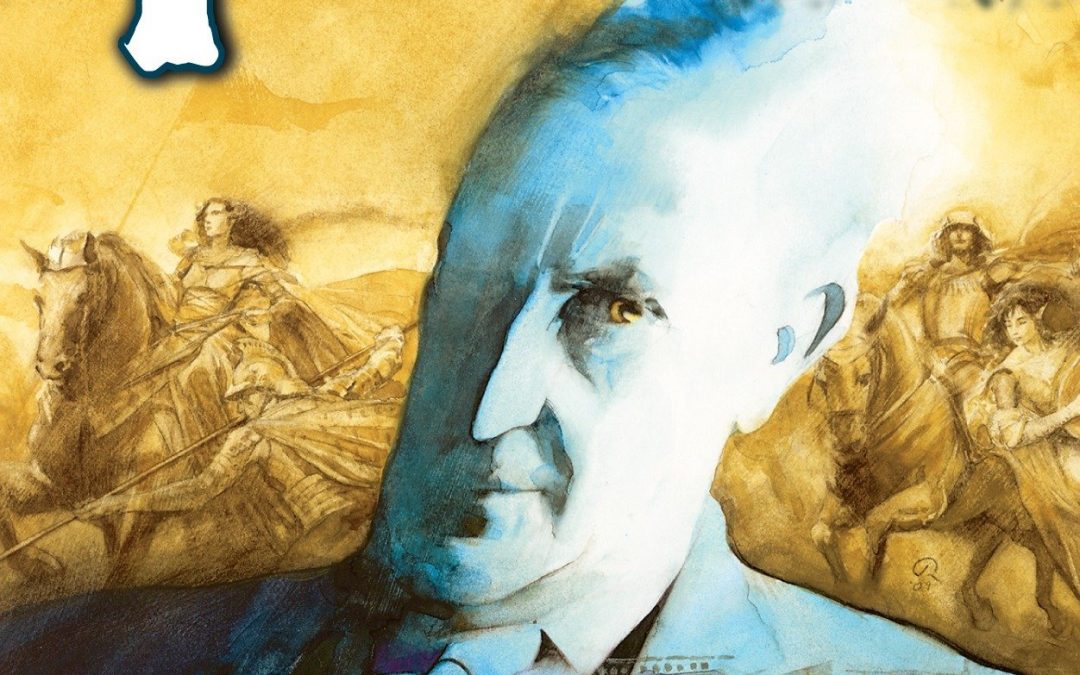
By James V. Schall, S. J. In The Tolkien Reader is found his famous essay “On Fairy-Stories.” At the end of the essay, we find some explanatory “Notes” listed according to letters—A, B, C, and so on. The Note listed as “H” is the one that interests me here. Note “H”...
The Loyal Gentleman
James V. Schall, S. J. “There is no substitute for strength of character, and in boys, or men, this requires two things increasingly rare in our time: knowledge of the past and a vision of the future. Of the former much has been written, and no compleat gentleman will...
The Love of Living
James V. Schall, S. J. David Yost mentioned a famous essay of Robert Louis Stevenson, “Aes Triplex.” He said that it was a favorite of Chesterton and assumed that I had read it. I had not. But the better-late-than-never doctrine certainly holds in this case. It...
On Dragon Hunting
James V. Schall, S. J. Heywood Broun’s very short story, The Fifty-First Dragon, was published in 1921 by Harcourt Brace. It concerns a medieval school for the formation of knights. Matriculating in this school is an apparently inept candidate by the ironic name of...

Have you read Russell Kirk’s fiction? My dad used to joke that ppl thought there must be two different authors by the same name—one who wrote serious political tomes and the other who wrote supernatural fiction. Story offer below.

What is is like to visit the home of the traditional conservative movement in America?
@mich_enjoyer recently visited the Kirk Center in Mecosta and offers an immersive look at the grounds and ongoing programming of the @KirkCenter.