The University Bookman
Reviewing Books that Build Culture
Join Kirktober and help support the mission of the University Bookman
Each week the Bookman brings you fresh reviews of the books that build culture, and essays that enliven the Permanent Things. Last year nearly 90,000 visitors engaged with the Bookman’s reviews, all free of charge and with no advertising to disrupt the reading experience. Our writers are touching hearts and minds across the globe with their reviews, bringing wisdom, creativity, and beauty to bear on the most important conversations happening in literature and culture.
Would you consider a gift to help us continue this work?
If just 1 in 4 of our readers contributed $10, we’d dramatically increase our capacity to recruit the brightest young writers and tackle more books and topics, all with a Kirkian angle. We’ve set a goal of raising $20k this month in order to continue our mission. Exceeding this amount will allow us to expand our work even more.
If you love the Bookman, and read us with regularity, we’d greatly appreciate your generous support this month.
With gratitude,
Luke Sheahan, Ph.D., editor
The University Bookman
P.S. As a special thank you to all Bookman supporters this month, we’ll send you a link to an audio recording of Ex Tenebris, one of Kirk’s best ghostly short stories. We think you’ll really enjoy it.
Campaign Progress
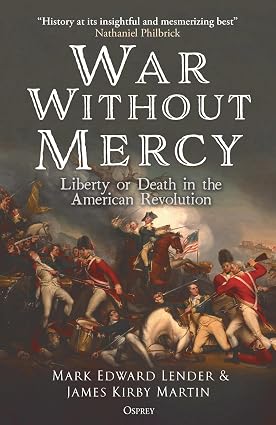
The Fog of the American War for Independence
“Academic and popular history of the period has long noted the early intimidation and violence that accompanied the rise of an American political consciousness and revolutionary movement.”
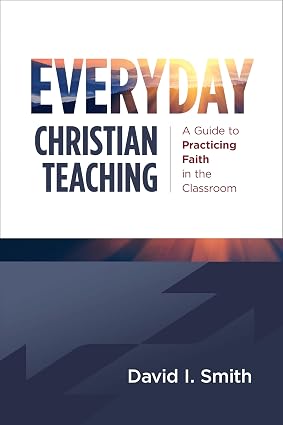
“To Think Faith” as Educators
“…faith and pedagogy should be in harmony. Smith’s guide is not a theory of faith and teaching or how to sprinkle faith within teaching. ‘It offers repeated practice at noticing and thinking through ways in which faith and the process of teaching might connect in everyday practice,’ in the mundane moments of elementary, secondary, or higher education classrooms.”
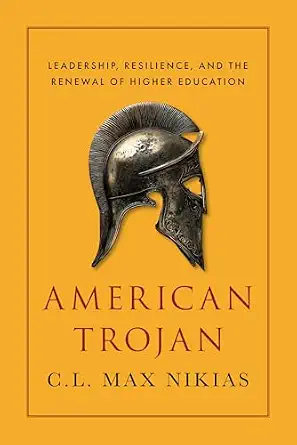
Every Educational Bureaucracy is Unhappy in Its Own Way
“In the end, Nikias’s story illustrates a recurring truth about bureaucracies: reformers often find themselves defeated not by external enemies but by the accumulated habits, incentives, and procedures of the organizations they serve.”
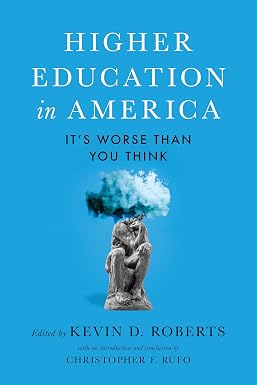
The Problems of American Higher Education
“In the spirit of Kirk, the conservative reformer must remember the imperfectability of human nature, a moral truth that the modern academy has forgotten.”
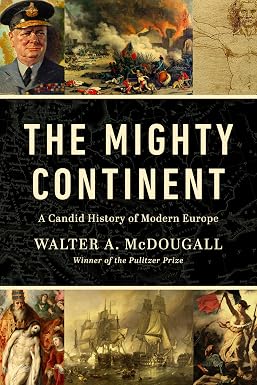
Techne and Themis in History
“The book explains what Western/European civilization is by telling the story of its birth, formation, evolution, and global influence. It ends with McDougall’s statement that from the perspective of the current times, ‘”Western civilization,” however defined, has become decadent, and is perhaps even dying.’”
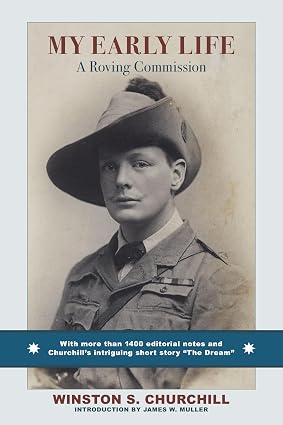
Winston Churchill’s Path to Leadership
“He wrote of a vanished empire, of bygone comportment associated with society balls and faraway battlefields, and of a governing class that suddenly found themselves among the governed. As astonished as Churchill was at the pace of change during his lifetime, I think modern readers can perfectly relate to this sentiment. The pace of change has not diminished. Nor has the relatability of a young Winston Churchill.”
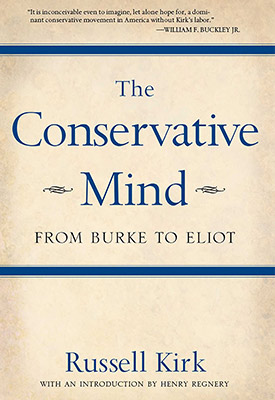
John Adams: Russell Kirk’s Founding Federalist
“…[Kirk] located the mainstream of the American Founding not with the Jeffersonian Republicans, but with their rivals in the Federalist party. Kirk admired them not only as practical statesmen, but also as anti-revolutionary thinkers in their own right. As he put it, the Constitution they supported was both ‘the most successful conservative device in the history of the world’ and a ‘great monument’ to the Federalists.”
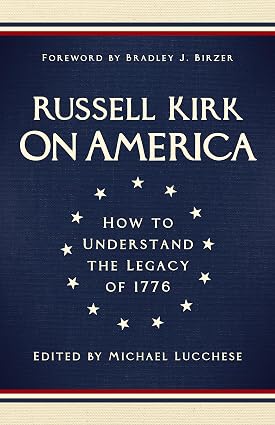
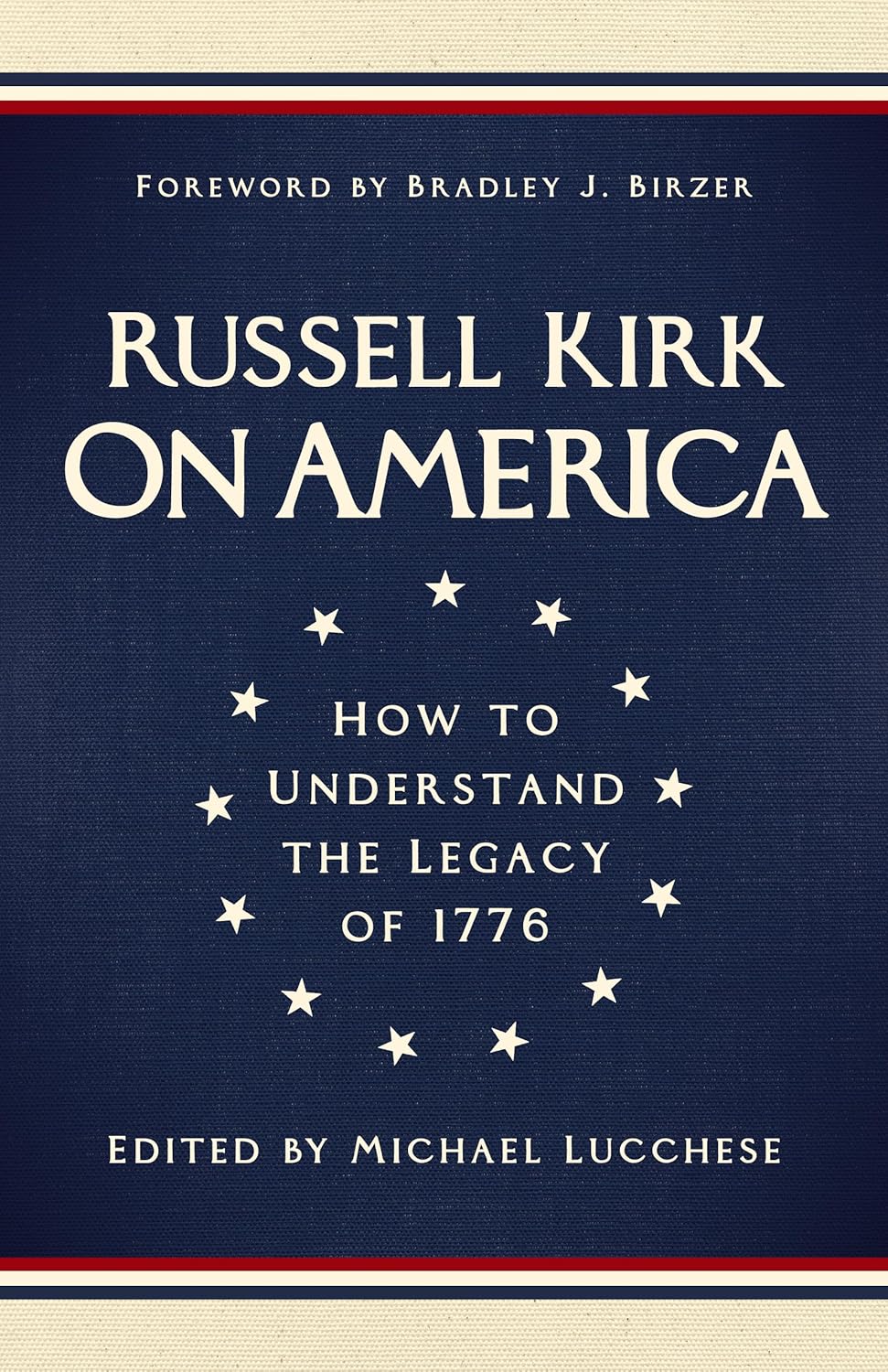
The Patriotic Russell Kirk
“Taken together, the essays in this collection have a distinctly American air, but one spiced by the enlivening spirit of a much longer historical consciousness.”
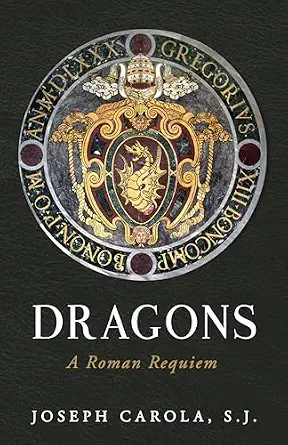
Jesuits and Revolutions
“…these… reveal Carola’s gift as a novelist, reminding the reader that the great theological and ecclesiastical questions of the age were debated and decided by flesh-and-blood human beings with normal needs and emotions.”
The Book Gallery
A collection of conversations with Bookman editor Luke C. Sheahan and writers and authors of imagination and erudition. Click on the icon in the upper right corner of the video to see more episodes in this series or check out our YouTube page.


@ubookman Plus every donor will receive a new audio recording of Kirk's "Ex Tenebris," a great ghostly listen! Help @ubookman reach $20k and continue to review the books that build culture: https://buff.ly/MLnMl4e
Did you hear? This month a generous supporter has offered to MATCH every gift up to $5k for the Kirktober campaign in support of the mission of @ubookman: https://buff.ly/PECA0Az.
Shop through Creed and Culture Publishing