The University Bookman
Reviewing Books that Build Culture
Join Kirktober and help support the mission of the University Bookman
Each week the Bookman brings you fresh reviews of the books that build culture, and essays that enliven the Permanent Things. Last year nearly 90,000 visitors engaged with the Bookman’s reviews, all free of charge and with no advertising to disrupt the reading experience. Our writers are touching hearts and minds across the globe with their reviews, bringing wisdom, creativity, and beauty to bear on the most important conversations happening in literature and culture.
Would you consider a gift to help us continue this work?
If just 1 in 4 of our readers contributed $10, we’d dramatically increase our capacity to recruit the brightest young writers and tackle more books and topics, all with a Kirkian angle. We’ve set a goal of raising $20k this month in order to continue our mission. Exceeding this amount will allow us to expand our work even more.
If you love the Bookman, and read us with regularity, we’d greatly appreciate your generous support this month.
With gratitude,
Luke Sheahan, Ph.D., editor
The University Bookman
P.S. As a special thank you to all Bookman supporters this month, we’ll send you a link to an audio recording of Ex Tenebris, one of Kirk’s best ghostly short stories. We think you’ll really enjoy it.
Campaign Progress
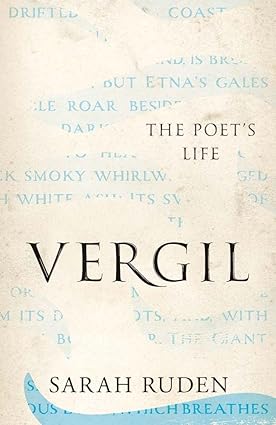
Finding the Historical Vergil
“Sarah Ruden… takes a step back to remove Vergil from the constraints of later mythmaking and find the historical poet… As Ruden writes, ‘As always, there has to be something about the author himself that is vital to the thing called literary achievement.’”
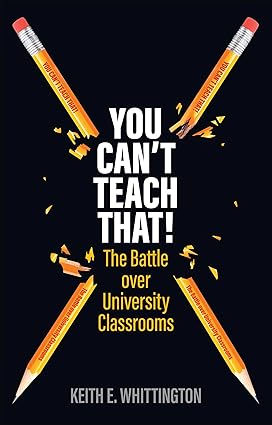
Fighting for Free Speech and Academic Freedom
“You Can’t Teach That! is essential reading for anyone who aspires to meaningful reform of campus culture and policy that does not itself jeopardize indispensable free speech and academic principles.”
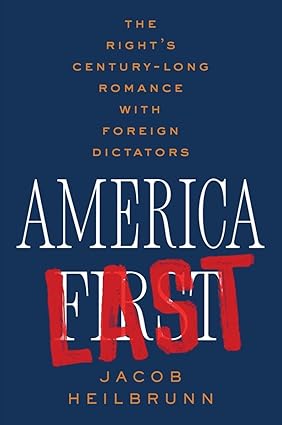
America First—Or Last?
“Paul Hollander, wherever he is, need not worry. The best book by far on an American romance with foreign dictators has long been–and remains–his Political Pilgrims.
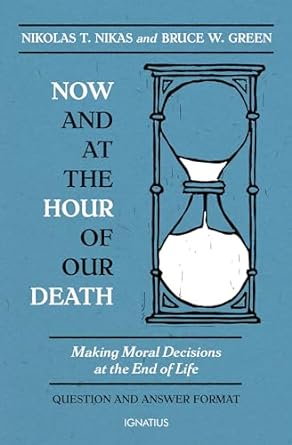
The Soul Always Takes Priority
“The book is a handbook for a Catholic death written by Nikolas T. Nikas, co-founder and president of the Bioethics Defense Fund, and Bruce W. Green, a former dean and law professor who serves as special counsel to the Bioethics Defense Fund. Presented in a Question and Answer format and split over eight parts, [it] offers answers to 123 questions a curious person might have… The appendices include, among other things, an essay on how to form a working conscience, a glossary, and an example of what a Catholic medical power of attorney might look like—useful for those who might not be able to afford to pay a lawyer to devise one for them. Reading the book is, quite literally, like having two lawyers explain the legal and moral ins and outs of end-of-life care.”
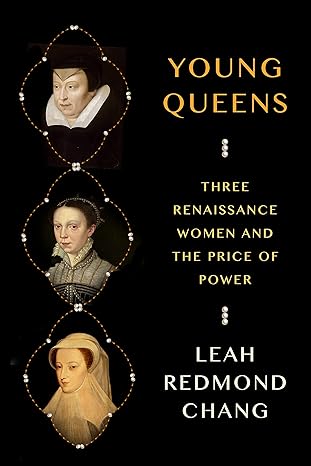
Early Modern Queens
“…Leah Redmond Chang lifts the veil on three of the most important (female or otherwise) figures of the Renaissance: Mary, Queen of Scots, Catherine de Medici, and Catherine’s daughter, Elisabeth de Valois.”
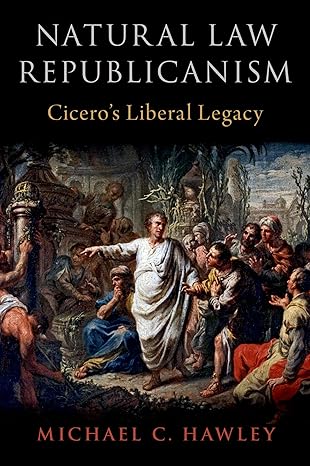
The Waters of Ius and Freedom
“[Hawley] attempts to convince us that Cicero is an invaluable resource for an introduction to Western philosophy. He is the true republican symbol that links the common liberty of popular sovereignty to the private liberty of individuals.”
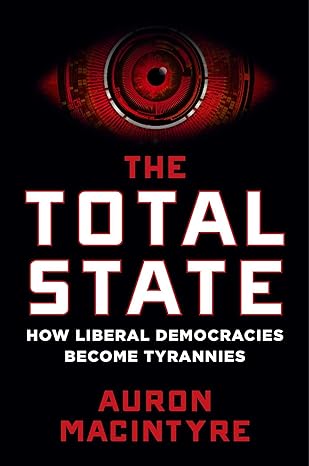
Gateway to the Dissident Right
“…MacIntyre explains how the COVID lockdowns and 2020 riots made America unrecognizable to him, prompting study into thinkers of more hard-nosed questions of power relationships. A conventional understanding of America’s Constitution as protecting against arbitrary government power did not explain what was really happening, hence a question: ‘what if the story our leaders have repeated endlessly about liberal democracy and popular sovereignty has actual served to expand the power of the state to unprecedented levels, all while assuring the ruled that they live in an era of freedom unlike any that’s ever been experienced?’ From this paradox, MacIntyre advances his understanding of the ‘total state.’”
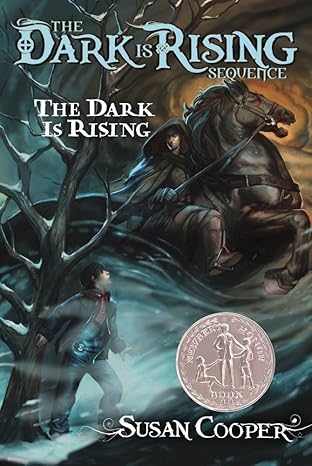
Susan Cooper on the Moral Imagination in Fantasy Fiction
“From stories about brave warriors battling mighty dragons to epic sagas about magic rings and lyrical Arthurian tales set among mist-shrouded mountains, fantasy fiction has always connected with readers at the deepest level. Among the best writers of this genre is Susan Cooper, who writes beautifully poetic stories, like those of Tolkien and Lewis, that we will have with us for generations.”
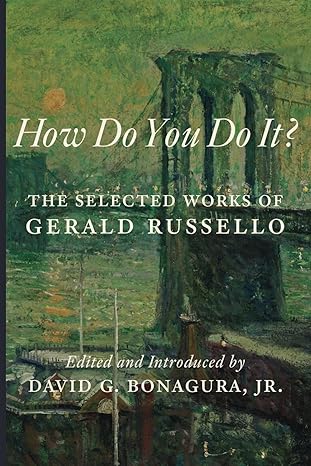
Gerald Russello: The Man Who Did It All
“Gerald believed deeply in the power of the conservative imagination, and I believe the essays and reviews in this volume showcase one dedicated man’s imagination at its best, working to preserve the Permanent Things for the next generation and beyond.”
The Book Gallery
A collection of conversations with Bookman editor Luke C. Sheahan and writers and authors of imagination and erudition. Click on the icon in the upper right corner of the video to see more episodes in this series or check out our YouTube page.


Did you hear? This month a generous supporter has offered to MATCH every gift up to $5k for the Kirktober campaign in support of the mission of @ubookman: https://buff.ly/PECA0Az.
@ubookman @NadyaWilliams81 "The past couple of years have been a time of seemingly endless jeremiads about the decline of reading, literacy, and books..in the midst of such chaos, @ubookman simply continues to review ‘books that build culture’—a mission to which I am honored to contribute.”
Shop through Creed and Culture Publishing