The University Bookman
Reviewing Books that Build Culture
Join Kirktober and help support the mission of the University Bookman
Each week the Bookman brings you fresh reviews of the books that build culture, and essays that enliven the Permanent Things. Last year nearly 90,000 visitors engaged with the Bookman’s reviews, all free of charge and with no advertising to disrupt the reading experience. Our writers are touching hearts and minds across the globe with their reviews, bringing wisdom, creativity, and beauty to bear on the most important conversations happening in literature and culture.
Would you consider a gift to help us continue this work?
If just 1 in 4 of our readers contributed $10, we’d dramatically increase our capacity to recruit the brightest young writers and tackle more books and topics, all with a Kirkian angle. We’ve set a goal of raising $20k this month in order to continue our mission. Exceeding this amount will allow us to expand our work even more.
If you love the Bookman, and read us with regularity, we’d greatly appreciate your generous support this month.
With gratitude,
Luke Sheahan, Ph.D., editor
The University Bookman
P.S. As a special thank you to all Bookman supporters this month, we’ll send you a link to an audio recording of Ex Tenebris, one of Kirk’s best ghostly short stories. We think you’ll really enjoy it.
Campaign Progress
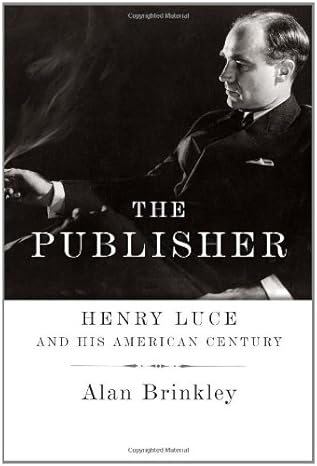
TIME Marches On… Past 100
“As TIME ‘goes on,’ therefore, and we commemorate its achievements, the career of Henry Robinson Luce, the ‘Man of TIME’s Century,’ deserves recognition.”
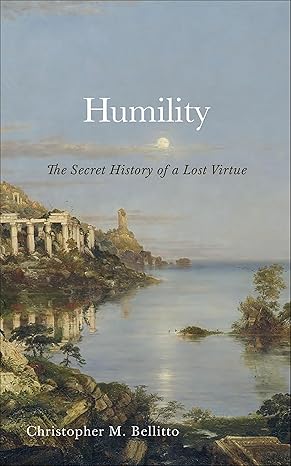
The Missing Virtue
“In [the book], the virtue of humility is presented as the antithesis of, and thus an antidote to, the narcissism that can adversely affect interpersonal dynamics…”

Remaking Cold War Diplomacy
“[Eames’s] latest book… takes a transnational approach to the nuclear 1980s by examining the strategic coordination of Ronald Reagan and Margaret Thatcher during the waning days of the Cold War.”
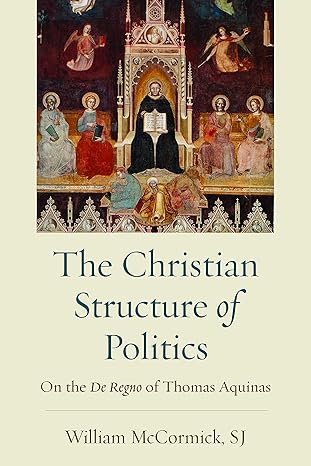
When Rulers Look in the Mirror
“McCormick succeeds in providing an informative, insightful, and clear examination of Aquinas’s political thought.”
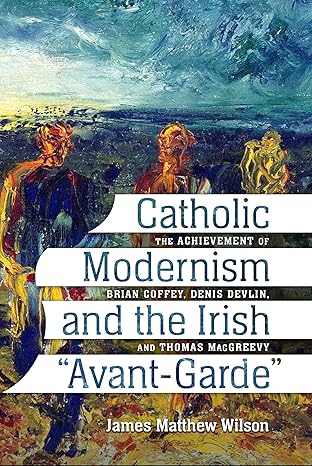
The Achievement of the Irish Poets
“…for Devlin, as for MacGreevy and Coffey, the purpose of art, including that of literary expression, was to call forth wonder, beauty, goodness, and truth, which required drawing from the rich stores of both philosophy and faith.”

The Last European
“[The book] is a fascinating portrait of the collapse of the glorious cultural world of the first half of the 20th century, one that has much relevance to what is happening to the culture of the West today.”
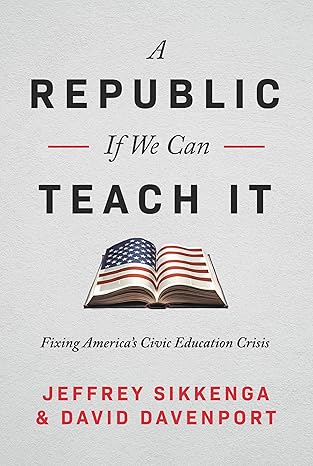
A “Sputnik Moment” for Civics
“The key to effective civics is for teachers to engage students in ‘conversations based on primary sources.’ Immersion in such conversations, the authors contend, ‘makes us feel part of the story, making it ours too.'”

Editors’ Summer Reading
Summer is well underway. So is our summer reading. Speaking of which—what are we reading?
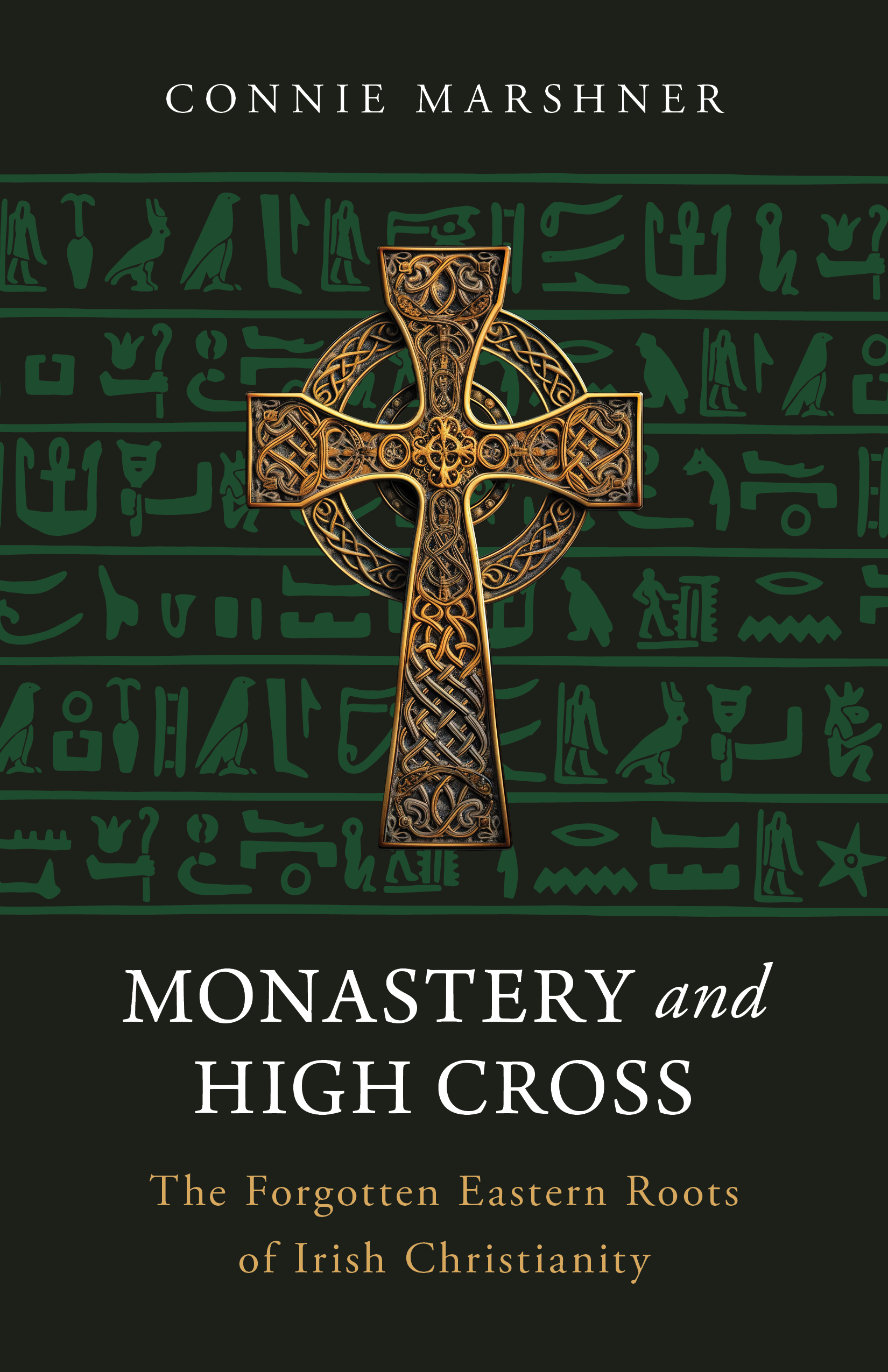
The Dublin Fog: In the Footsteps of the Irish Saints
“Connie Marshner and Mike Aquilina have both published books this year that give us a window into this long-lost world of ancient Irish Christianity. Each is a discernment project, straining to see through a glass, darkly, how this middle eastern religion came to Ireland, whence it spread even farther abroad.”
The Book Gallery
A collection of conversations with Bookman editor Luke C. Sheahan and writers and authors of imagination and erudition. Click on the icon in the upper right corner of the video to see more episodes in this series or check out our YouTube page.


@ubookman Plus every donor will receive a new audio recording of Kirk's "Ex Tenebris," a great ghostly listen! Help @ubookman reach $20k and continue to review the books that build culture: https://buff.ly/MLnMl4e
Did you hear? This month a generous supporter has offered to MATCH every gift up to $5k for the Kirktober campaign in support of the mission of @ubookman: https://buff.ly/PECA0Az.
Shop through Creed and Culture Publishing