Innovation Through Constraint
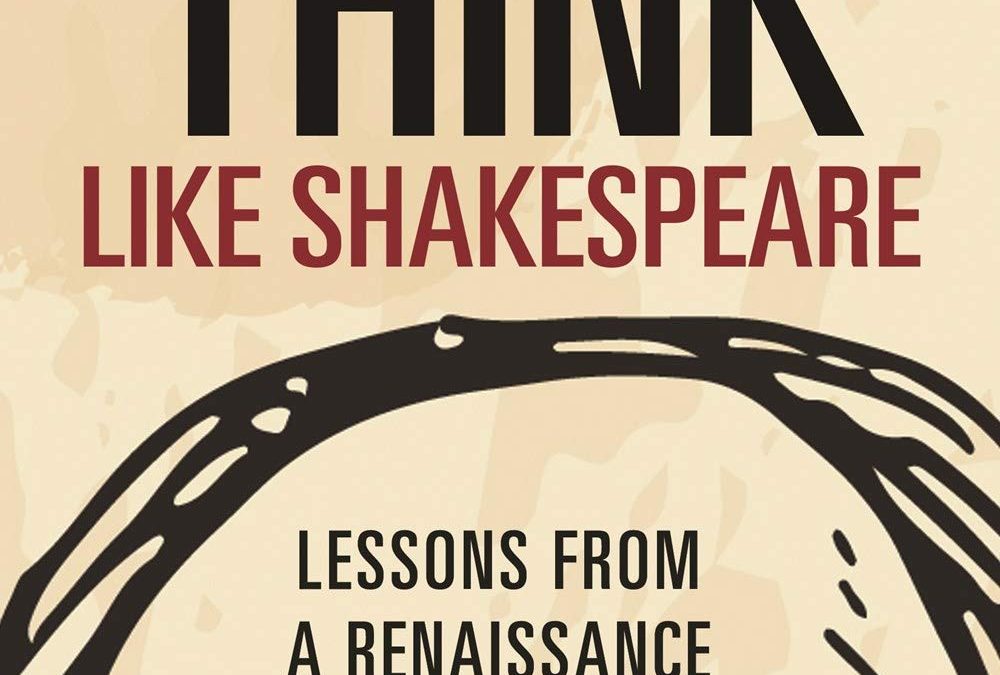
How to Think Like Shakespeare by Scott Newstok. Princeton University Press, 2020. Hardback, xv + 185 pages, $19.95. Reviewed by Matthew Stewart Scott Newstok has written a delightful book about modern education in the guise of a Shakespearean analysis. He succeeds in...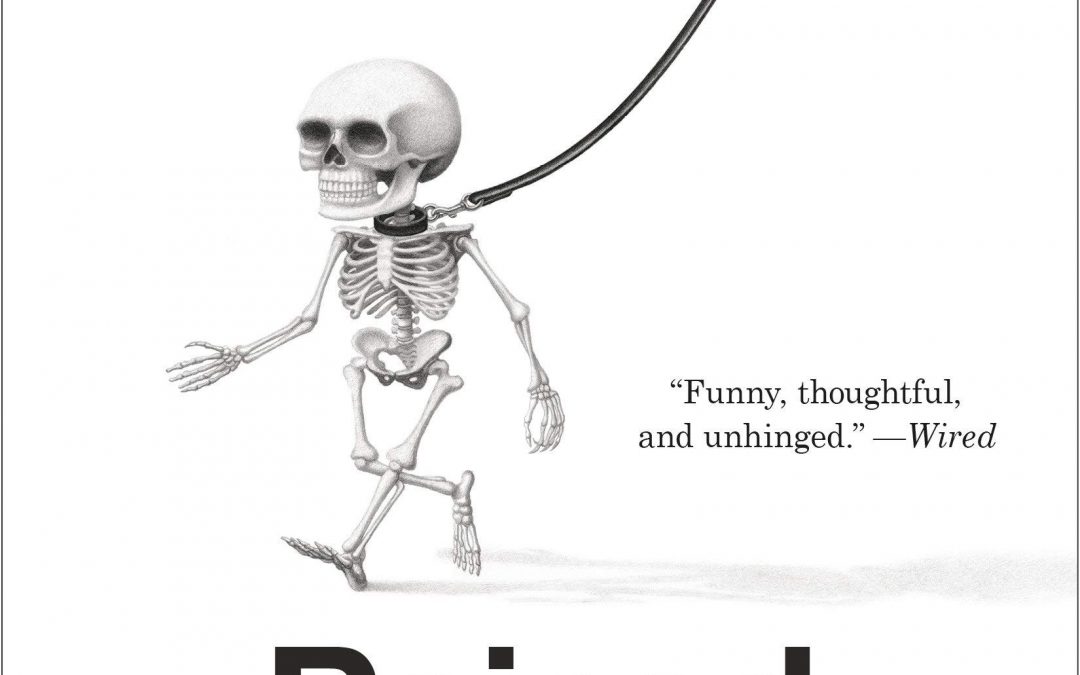
Properly Dangerous Ideas
Raised in Captivity: Fictional Nonfiction by Chuck Klosterman. Penguin Press, 2019. Hardcover, 320 pages, $26.00 Chris Butynskyi Ideas are dangerous. Most people would agree that a certain level of danger and harm can take root in ideas. Culture, too, is dangerous....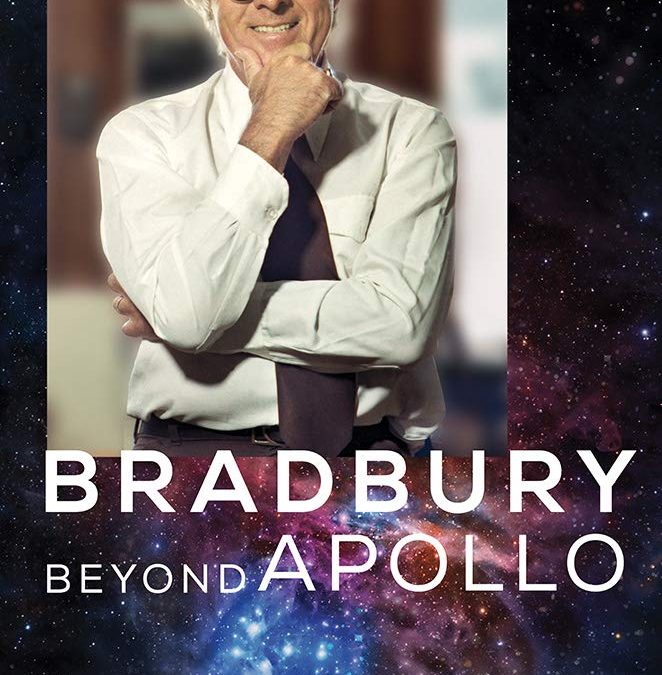
Bradbury in the Afternoon
Bradbury Beyond Apollo by Jonathan R. Eller. University of Illinois Press, 2020. Hardcover, 336 pages. $35. Reviewed by James E. Person Jr. Anyone who considers the life and career of Ray Bradbury (1920–2012) is eventually struck by a remarkable fact: although the...
A Syrian Islamist Reads Arabic Literature for the First Time
By Sam Sweeney On January 31, 2020 the French government arrested a Syrian known as Islam Alloush, real name Majdi Nema, which caused a bit of a stir among those who had paid close attention to Syria over the last decade. Alloush was previously the spokesman for Jaysh...

"In an age when so many of our inherited institutions seem to be unraveling under the pressures of a restless, self-regarding individualism, it is a rare and welcome thing to encounter a book that speaks with quiet conviction about the things that have long sustained the American
"If classical teachers believe that truth, beauty, and goodness can indeed change the world, then the sort of student (and teacher and school) described by @AnthonyEsolen is a net gain for this world. And his Classical Catechism serves as a helpful tool in building the necessary