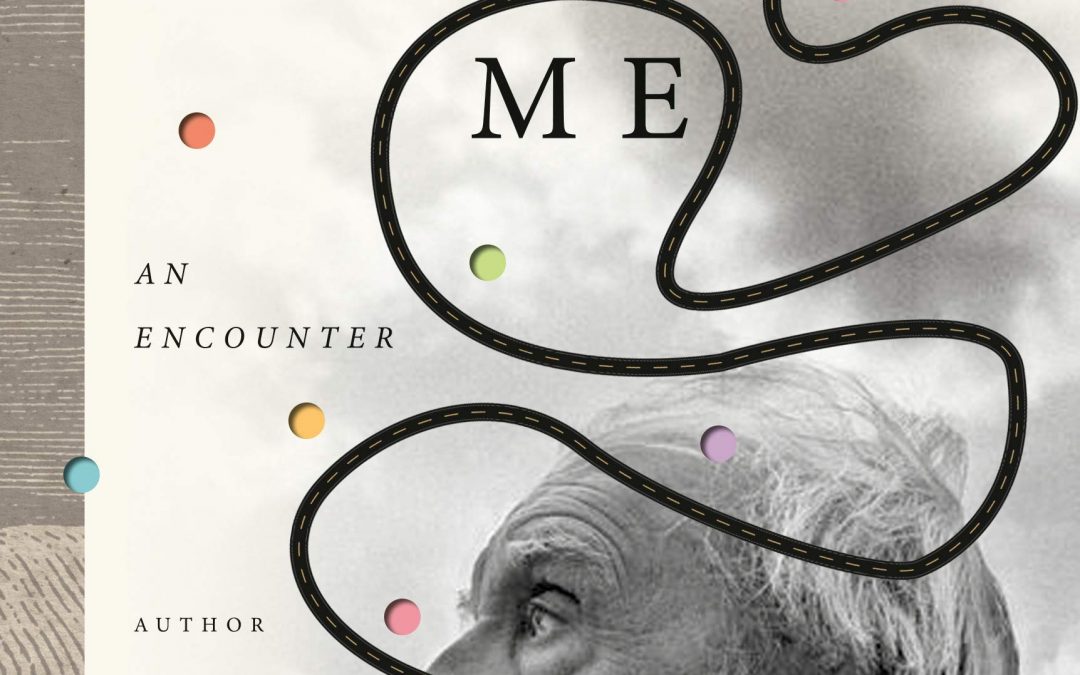
Borges and Me: An Encounter By Jay Parini. Doubleday, 2020. Hardcover, 320 pages, $27.95 Reviewed by Jerrod A. Laber We’ve all answered the question at some point about those famous individuals, dead or alive, that we would most like to have dinner with if given the...
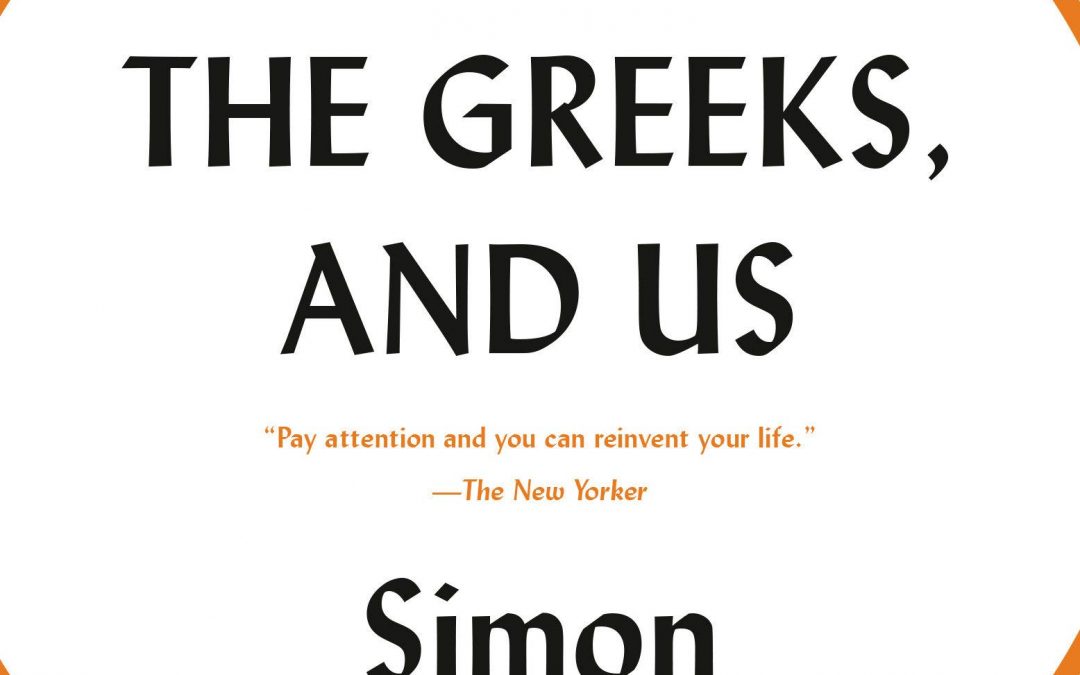
Tragedy, the Greeks, and Us By Simon Critchley. Vintage Books, 2020. Paperback, 322 pages. $17. Reviewed by Grant Havers The day after the passing of Sir Winston Churchill in 1965, Leo Strauss delivered a philosophical eulogy to his students, contrasting “the...
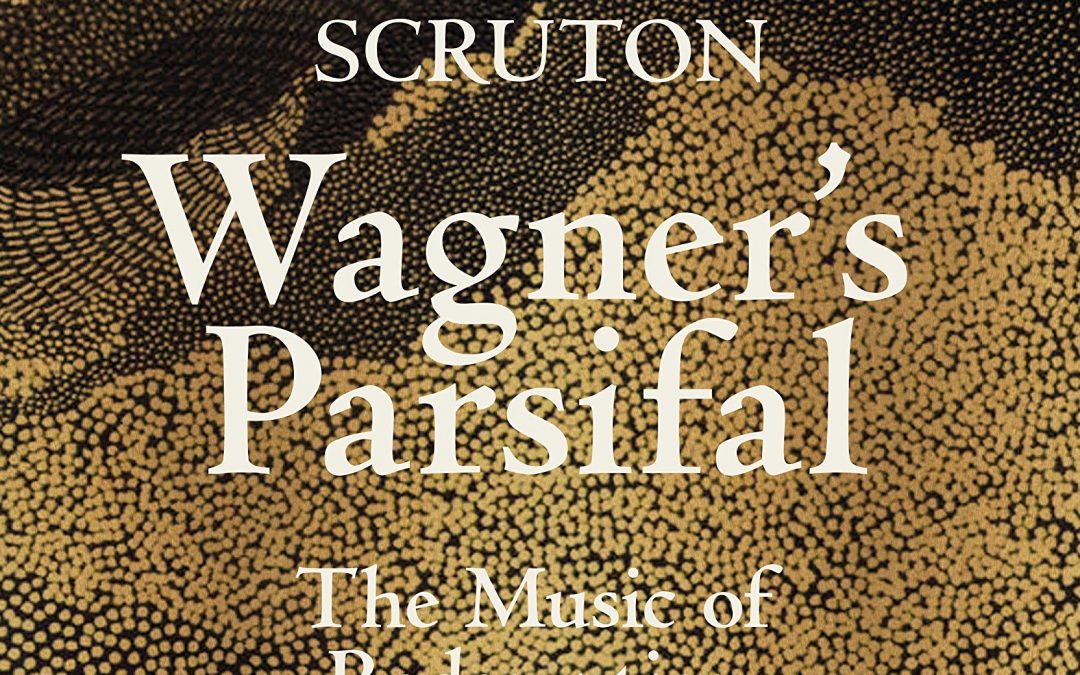
Wagner’s Parsifal: The Music of Redemption by Roger Scruton. Allen Lane, 2020. Hardcover, 208 pages, £20.00 Reviewed by Paul Krause “We have been called not to explore the world, but to rescue it. In doing so we emerge from our trials and conflicts in full possession...
E. J. Hutchinson What is literature for? Any number of things, one supposes—pleasure, say, or escape. But does it do anything else? In a frequently used and even more frequently misunderstood phrase, Auden says that “poetry makes nothing happen.”[1] But what if...
How to Think Like Shakespeare by Scott Newstok. Princeton University Press, 2020. Hardback, xv + 185 pages, $19.95. Reviewed by Matthew Stewart Scott Newstok has written a delightful book about modern education in the guise of a Shakespearean analysis. He succeeds in...
Letters of a Literary Legend
Oliver Spivey on "The Man Who Read Everything: The Literary Letters of Harold Bloom" Edited by Heather Cass White. @yalepress