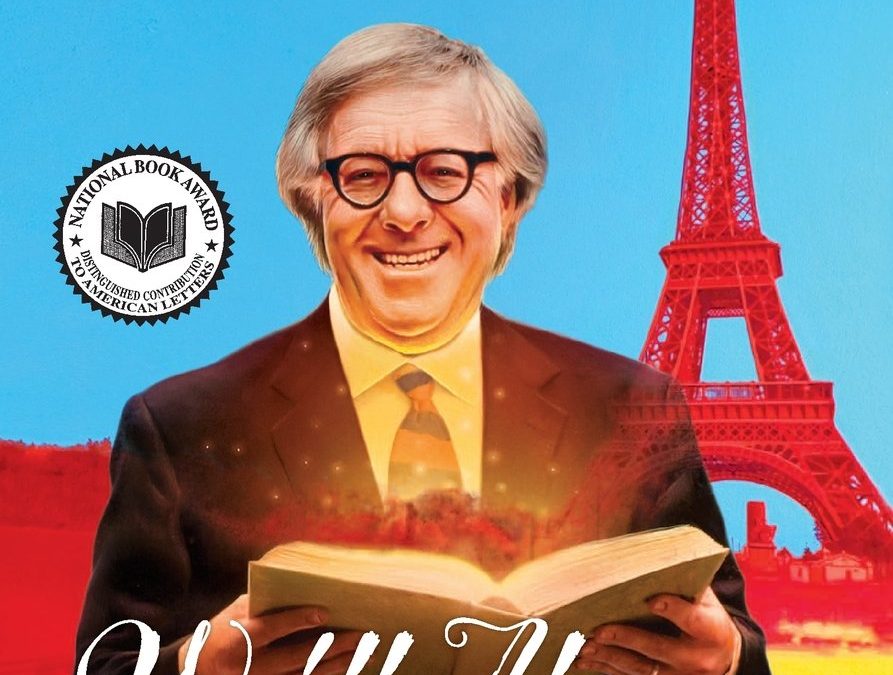
What Makes a Life
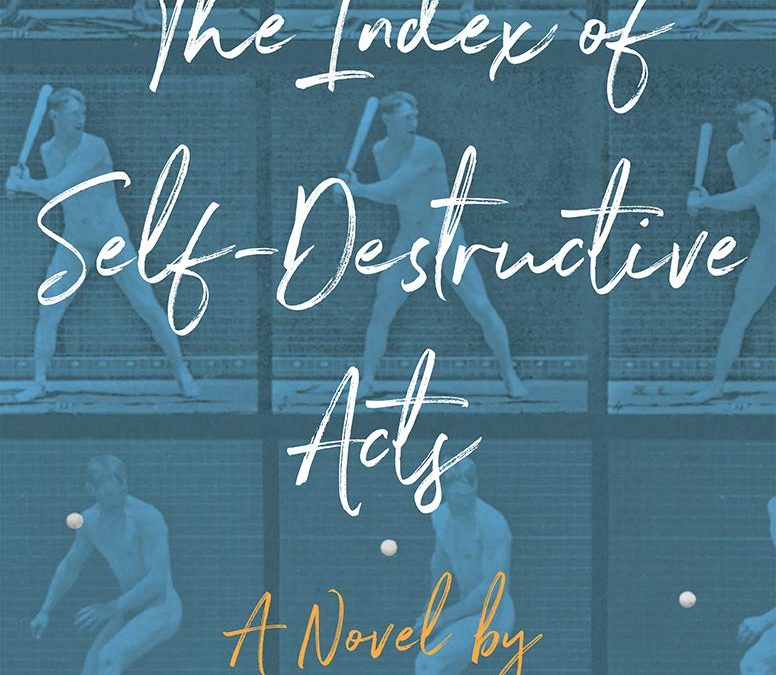
The Index of Self-Destructive Acts: A Novel by Christopher Beha. Tin House Books, 2020. Hardcover, 528 pages, $28. Reviewed by Jessica Hooten Wilson This is a story that begins with the end of the world. As a young man named Sam Waxworth arrives from “the provinces”...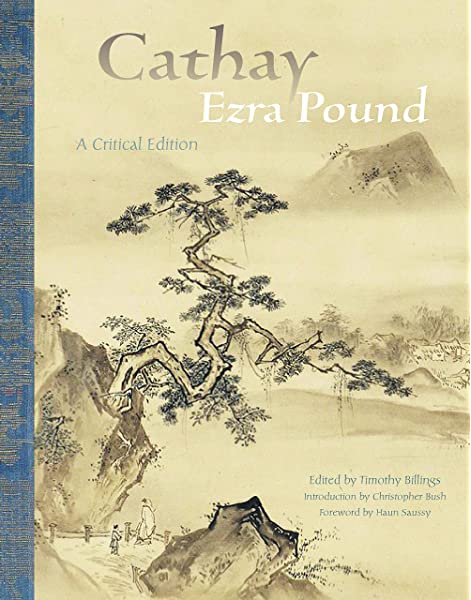
Stuck with Pound
Cathay: A Critical Edition by Ezra Pound, Edited by Timothy Billings. Fordham University Press, 2019. Hardcover, 364 pages, $35. The Bughouse: The Poetry, Politics, and Madness of Ezra Pound by Daniel Swift. Farrar Straus and Giroux, 2017, Hardcover, 320 pages, $27....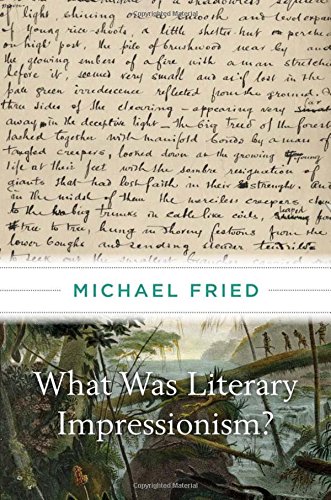
Failures of Interpretation
What Was Literary Impressionism? by Michael Fried. Harvard University Press, 2018. Hardcover, 408 pages, $46.50. Reviewed by Gregory Castle Impressionism arose in late-nineteenth century European and American literary art in response to a crisis in interpretation, a...
Accountancy and Authority
The Pale King by David Foster Wallace. Back Bay Books, 2012. Paperback, 597 pages, $18. Reviewed by Eve Tushnet At a certain point you realize that David Foster Wallace is as much a horror writer as Stephen King, and the monsters under his bed are twins: absorption...

Kirk saw poetry, fiction, tradition, and restraint as essential to understanding America and preserving its character. In his review of "On America," @cjscalia explores Kirk’s vision of the founding, statesmanship, literature, and the enduring ideas that have shaped the republic.