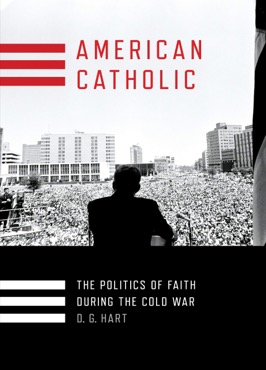
Americanism and the ‘Roman’ Catholic
American Catholic: The Politics of Faith During the Cold War by D. G. Hart. Cornell University Press, 2020. Hardback, 280 pages, $29.95 Reviewed by Daniel James Sundahl In 1864, Pope Pius IX issued Syllabus Errorum, outlining heresies opposed to Catholic Church...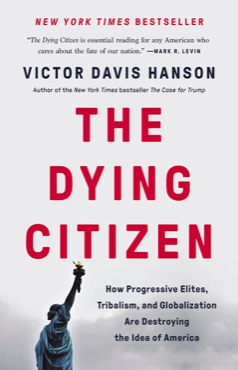
Restoring the Role of the Citizen
The Dying Citizen: How Progressive Elites, Tribalism, and Globalization Are Destroying the Idea of America By Victor Davis Hanson. Basic Books, 2021. Hardcover, 432 pages, $30. Reviewed by Jeffrey Folks Victor Davis Hanson’s The Dying Citizen makes a substantial...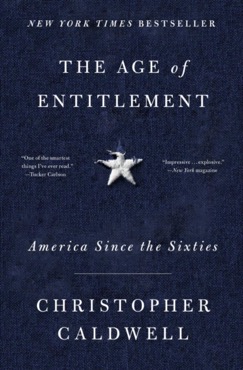
Is There a Linear Path to America’s Next Civil War?
The Age of Entitlement: America Since the Sixties By Christopher Caldwell. Simon & Schuster, 2020. Hardcover, 352 pages, $28. Reviewed by Anthony Barr Christopher Caldwell’s latest book, The Age of Entitlement, is best summarized by a Bill Clinton quote that...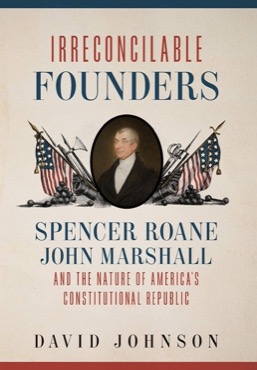
The Jeffersonian Judge
Irreconcilable Founders: Spencer Roane, John Marshall, and the Nature of America’s Constitutional Republic By David Johnson. LSU Press, 2021 Hardcover, 256 pages, $45. Reviewed by John Grove There is nothing new under the sun, and that certainly applies to modern-day...

@ubookman Plus every donor will receive a new audio recording of Kirk's "Ex Tenebris," a great ghostly listen! Help @ubookman reach $20k and continue to review the books that build culture: https://buff.ly/MLnMl4e
Did you hear? This month a generous supporter has offered to MATCH every gift up to $5k for the Kirktober campaign in support of the mission of @ubookman: https://buff.ly/PECA0Az.