The University Bookman
Reviewing Books that Build Culture
Join Kirktober and help support the mission of the University Bookman
Each week the Bookman brings you fresh reviews of the books that build culture, and essays that enliven the Permanent Things. Last year nearly 90,000 visitors engaged with the Bookman’s reviews, all free of charge and with no advertising to disrupt the reading experience. Our writers are touching hearts and minds across the globe with their reviews, bringing wisdom, creativity, and beauty to bear on the most important conversations happening in literature and culture.
Would you consider a gift to help us continue this work?
If just 1 in 4 of our readers contributed $10, we’d dramatically increase our capacity to recruit the brightest young writers and tackle more books and topics, all with a Kirkian angle. We’ve set a goal of raising $20k this month in order to continue our mission. Exceeding this amount will allow us to expand our work even more.
If you love the Bookman, and read us with regularity, we’d greatly appreciate your generous support this month.
With gratitude,
Luke Sheahan, Ph.D., editor
The University Bookman
P.S. As a special thank you to all Bookman supporters this month, we’ll send you a link to an audio recording of Ex Tenebris, one of Kirk’s best ghostly short stories. We think you’ll really enjoy it.
Campaign Progress
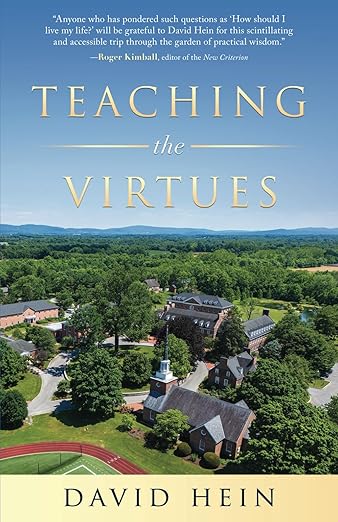
Reforming Education Begins (and ends) with the Virtues
Teaching the Virtues By David Hein. Mecosta House, 2025. Paperback, 222 pages, $16.95. Reviewed by Thomas Griffin. ristotle famously began his Metaphysics with a foundational principle: “All men by nature desire to know.” This leads to two further...
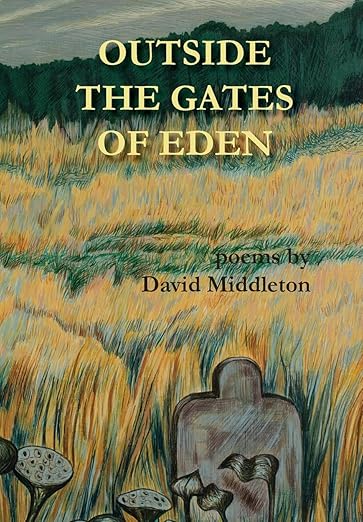
Irretrievable Eden
Outside The Gates of Eden By David Middleton. Measure Press, 2023. Hardcover, 114 pages, $25. Reviewed by Madeleine Austin. avid Middleton’s Outside the Gates of Eden is a collection of formal poems rooted in contemplation of the Book of Genesis....
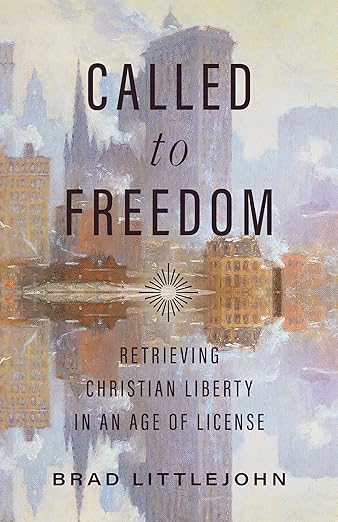
Renewing Our Understanding of True Freedom
Called to Freedom: Retrieving Christian Liberty in an Age of License By Brad Littlejohn. B&H Academic, 2025. Paperback, 192 pages, $22.99. Reviewed by Andrew Fowler. reedom could be Modernity’s most overused yet least understood word. In an...
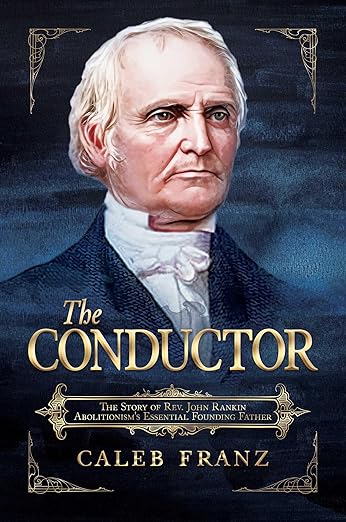
Abolitionism’s George Washington
The Conductor: The Story of Rev. John Rankin, Abolitionism’s Essential Founding Father By Caleb Franz. Post Hill Press, 2024. Paperback, 336 pages, $18.99. Reviewed by Peter Biles. he past is like a waterfall, and history is like the glass of water...
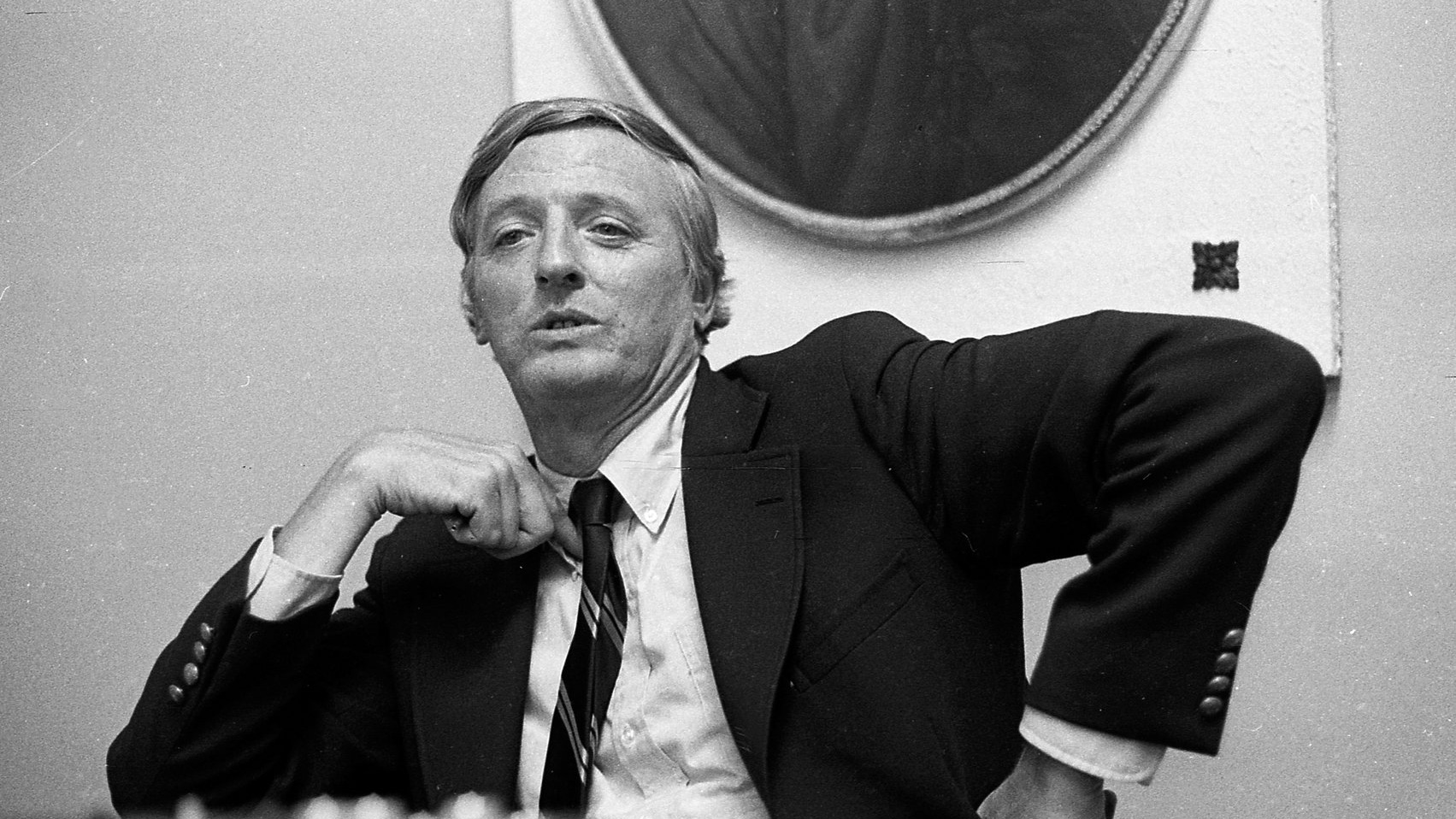
A Novel Individual: An Interview with William F. Buckley Jr. on his Fiction
Interviewed by William F. Meehan III This interview ran in The University Bookman in 1996 (vol. 36, no. 2, pp. 25-32), when Jeffrey O. Nelson, who was the journal’s editor, expertly turned the lengthy manuscript of my 90-minute interview into a coherent, polished...
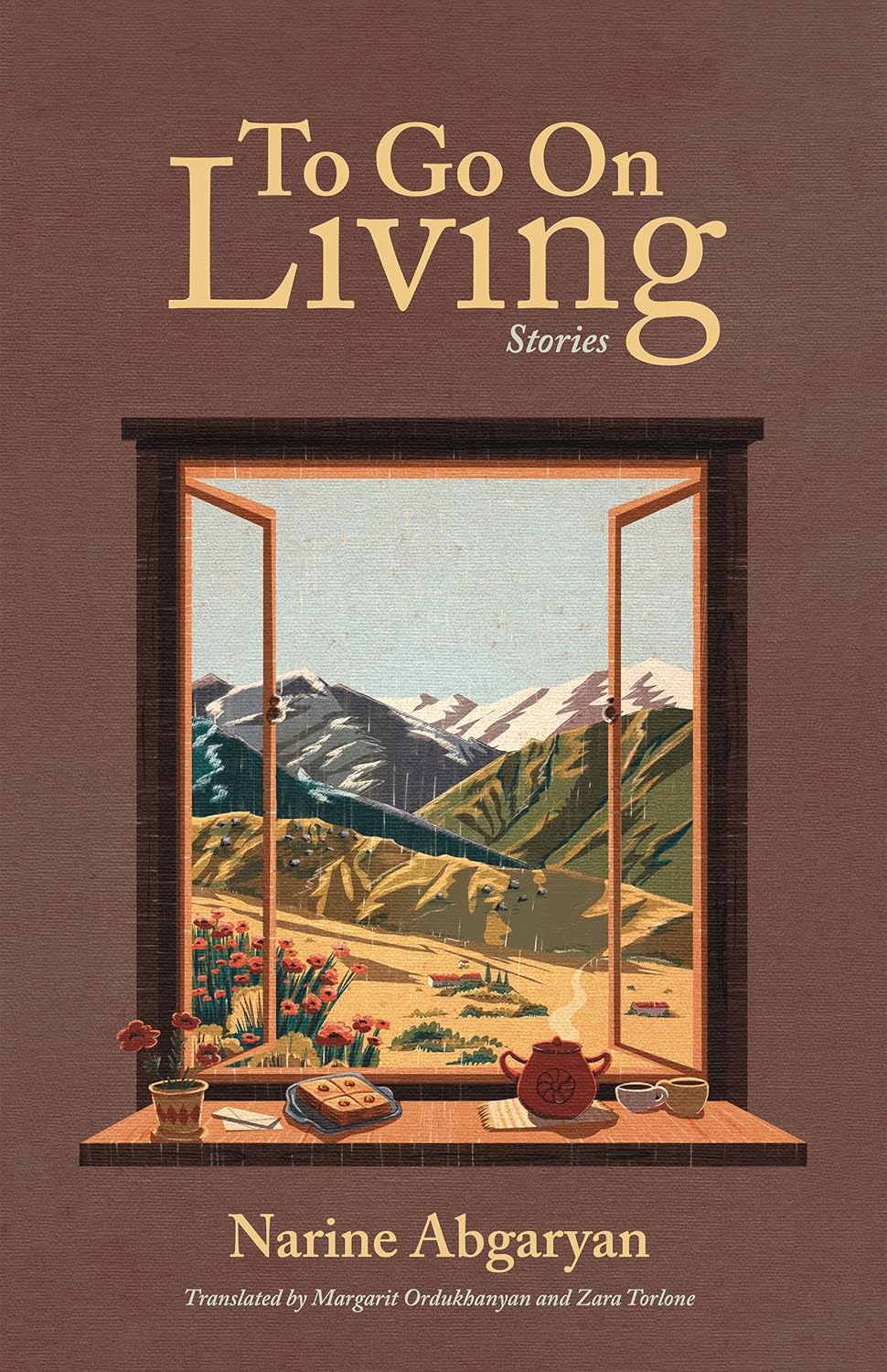
Life During Wartime
To Go On Living: Stories By Narine Abgaryan. Plough, 2025. Hardcover, 220 pages, $24.95. Reviewed by Michial Farmer. odern Westerners live with a delusion. We actually live with a lot of delusions, but perhaps the most insidious one is that the...
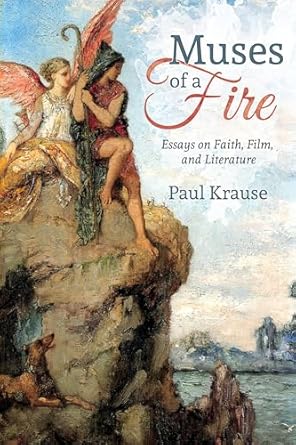
The Triumph of Love
Muses of a Fire: Essays on Faith, Film, and Literature By Paul Krause. Stone Tower Press, 2024. Paperback, 227 pages, $24.95. Reviewed by Jesse Russell. oman Polanski’s 1974 masterpiece Chinatown is not only a classic of film noir, but it is also...
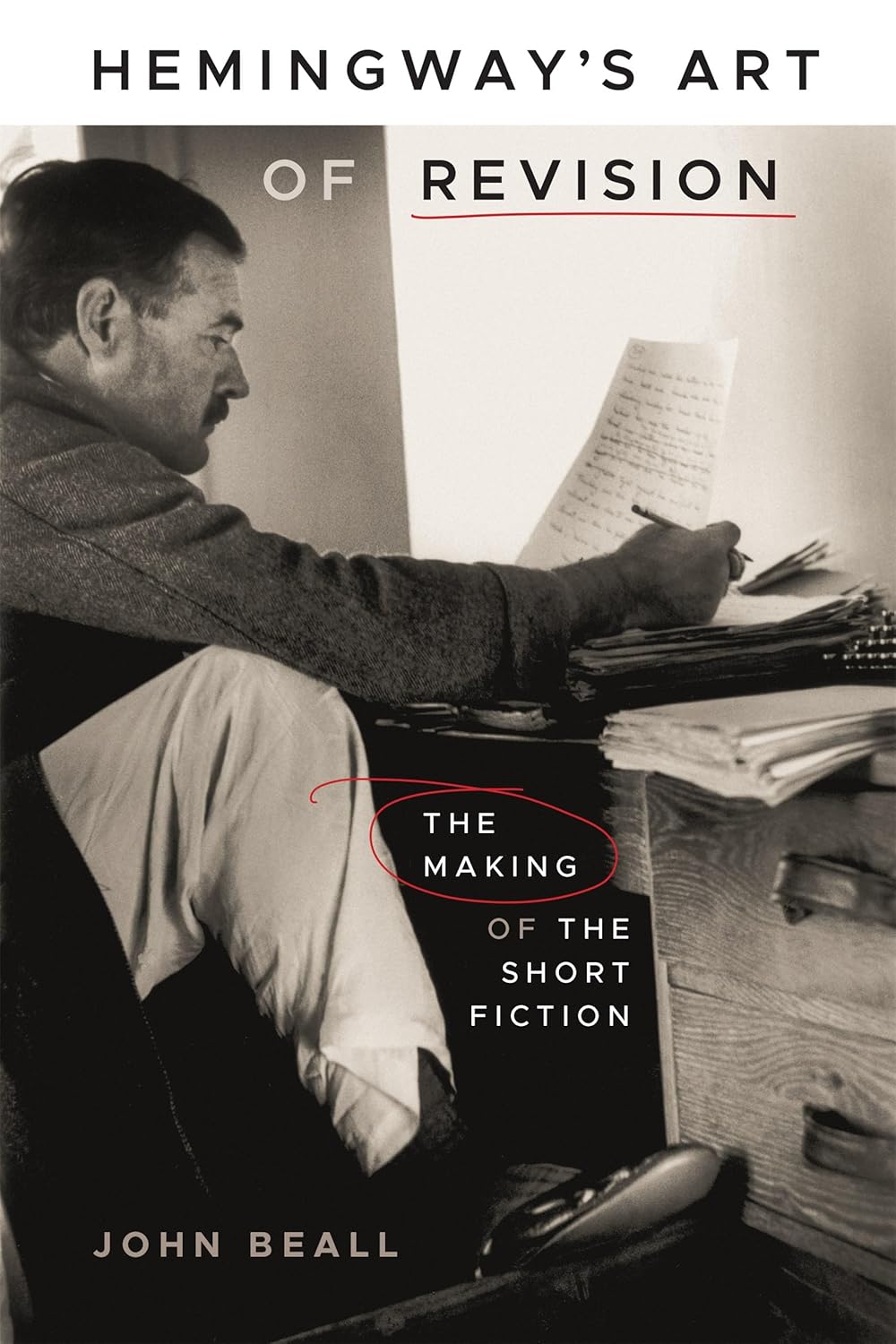
Understanding the Rest of Hemingway’s Iceberg
Hemingway’s Art of Revision: The Making of the Short Fiction By John Beall. Louisiana State University Press, 2024. Hardcover, 310 pages, $50. Reviewed by Sean C. Hadley. n Brad Paisley’s 2005 hit song, “Alcohol,” the country musician sings about...

The Postmodern Poetry of J.R.R. Tolkien
“Even if Tolkien did not understand his literary enterprise as distinctively modernist, many of the techniques he deployed—the creation of a secondary world, for instance, or his invented languages, and above all the metatextual integration of poetry and prose—nonetheless bear a resemblance to the experiments in letters conducted by his more avant-garde peers.”
The Book Gallery
A collection of conversations with Bookman editor Luke C. Sheahan and writers and authors of imagination and erudition. Click on the icon in the upper right corner of the video to see more episodes in this series or check out our YouTube page.


Did you hear? This month a generous supporter has offered to MATCH every gift up to $5k for the Kirktober campaign in support of the mission of @ubookman: https://buff.ly/PECA0Az.
@ubookman @NadyaWilliams81 "The past couple of years have been a time of seemingly endless jeremiads about the decline of reading, literacy, and books..in the midst of such chaos, @ubookman simply continues to review ‘books that build culture’—a mission to which I am honored to contribute.”
Shop through Creed and Culture Publishing