The University Bookman
Reviewing Books that Build Culture
Join Kirktober and help support the mission of the University Bookman
Each week the Bookman brings you fresh reviews of the books that build culture, and essays that enliven the Permanent Things. Last year nearly 90,000 visitors engaged with the Bookman’s reviews, all free of charge and with no advertising to disrupt the reading experience. Our writers are touching hearts and minds across the globe with their reviews, bringing wisdom, creativity, and beauty to bear on the most important conversations happening in literature and culture.
Would you consider a gift to help us continue this work?
If just 1 in 4 of our readers contributed $10, we’d dramatically increase our capacity to recruit the brightest young writers and tackle more books and topics, all with a Kirkian angle. We’ve set a goal of raising $20k this month in order to continue our mission. Exceeding this amount will allow us to expand our work even more.
If you love the Bookman, and read us with regularity, we’d greatly appreciate your generous support this month.
With gratitude,
Luke Sheahan, Ph.D., editor
The University Bookman
P.S. As a special thank you to all Bookman supporters this month, we’ll send you a link to an audio recording of Ex Tenebris, one of Kirk’s best ghostly short stories. We think you’ll really enjoy it.
Campaign Progress
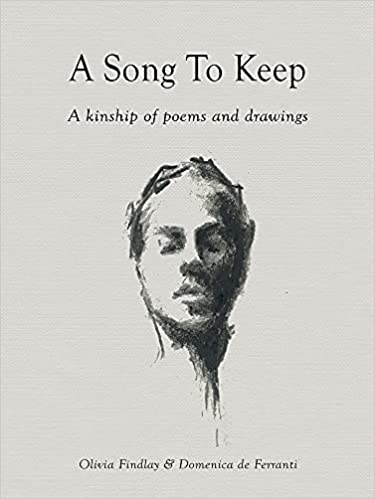
Where Is Home?
“…’Who will keep our stories alive, no matter where we go?’ Perhaps that is a question even more poignant than ‘Where is home?’ especially for those who are either dispossessed of a homeland or simply feel rootless in a thousand small ways as they struggle to navigate this dizzyingly complex world.”
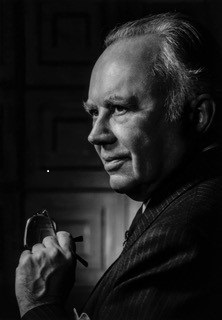
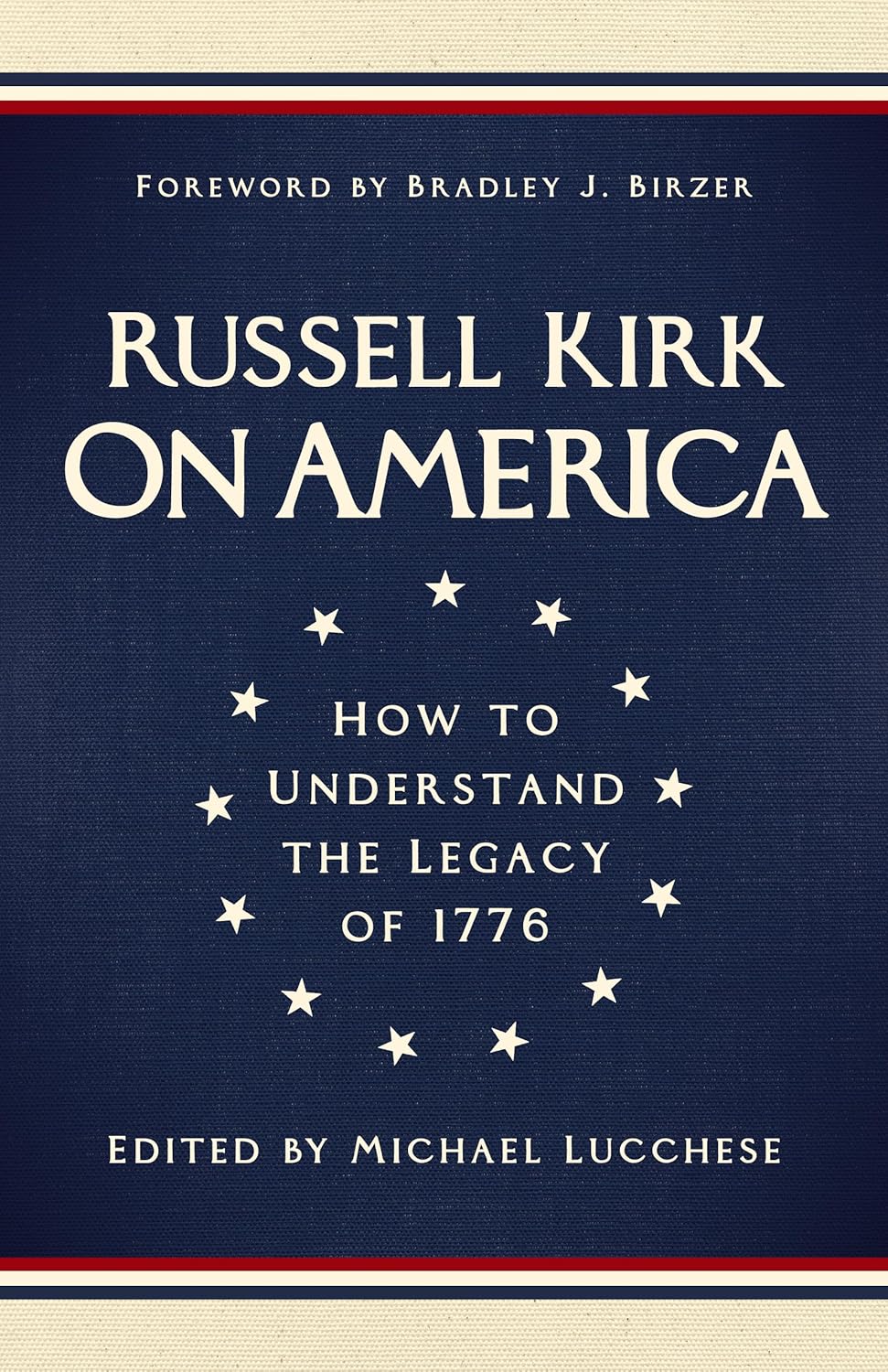
Russell Kirk vs. Fusionism: A Conflict in Name Only?
“Kirk called ideology the ‘negation of prudence’ and the ‘foe of imagination.’ Both prudence and imagination are key ideas in Kirk’s political thought. For him, prudence is the preeminent political virtue, and all good politics is inspired by the moral imagination.”
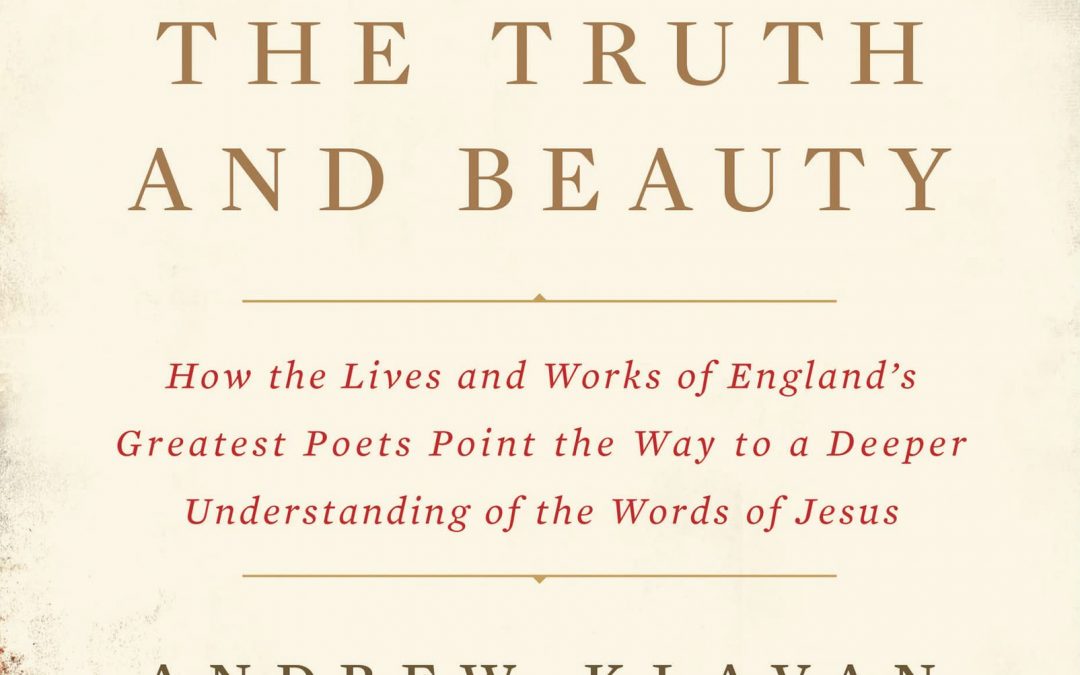
Restoring the True and the Beautiful
“…Klavan offers just the right prescription to postmoderns emerging from scientific materialism—and eager to be told what their stories mean.”
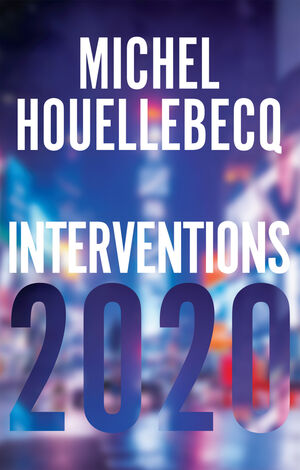
Nihilism as Public Policy
“The difference between nihilism as a private response to life’s contingencies and its sinister manifestation as public policy, Houellebecq aptly points out, is that the latter demands that nihilism become institutionalized.”
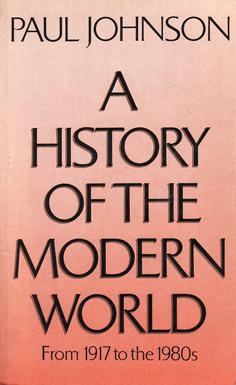
Paul Johnson (1937-2023): A Valediction
M. D. Aeschliman remembers the British historian Paul Johnson.
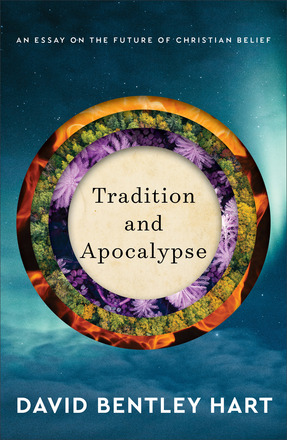
Apocalyptic Hope?
“…Hart teases out the distinction between tradition and traditionalism in a book that is thought-provoking and rewarding even where one disagrees with him.”
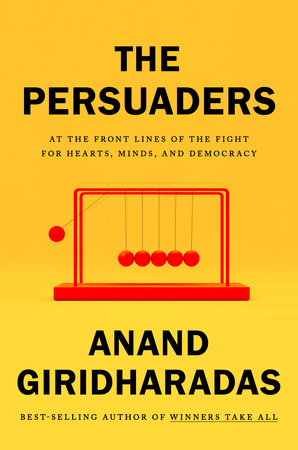
In Dialogue, We Dwell
“…political sentiment in America has atrophied to ‘factionalism,’ or precisely that against which James Madison warned in Federalist No. 10…”
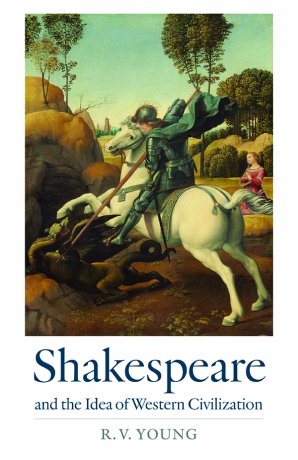
Shakespeare and the Real
“…Shakespeare has indeed become, like the body of Patroclus, the center of one of the most violent skirmishes in the larger battle that rages over the gargantuan remains of the West.”
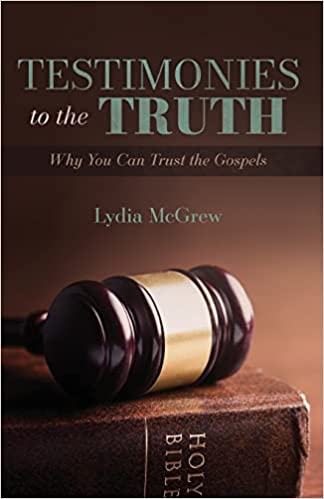
Can We Trust the Gospels?
“…McGrew contends not only that there is strong external evidence for the God of the New Testament… but that there is also good internal evidence—the information conveyed in the biblical accounts corresponds to what we know about the way truthful people talk and write.”
The Book Gallery
A collection of conversations with Bookman editor Luke C. Sheahan and writers and authors of imagination and erudition. Click on the icon in the upper right corner of the video to see more episodes in this series or check out our YouTube page.

Celebrate Russell Kirk's birthday (today) with a rich dessert, a ghostly tale, and a contribution to The University Bookman:

I can't praise @ubookman highly enough. If it's not a part of your reading life, it should be.
Should you have the ability, they are very much deserving of your support. I hope you'll consider donating to their Kirktober fundraiser, as I have done.
Shop through Creed and Culture Publishing