

Putting Burke into Action
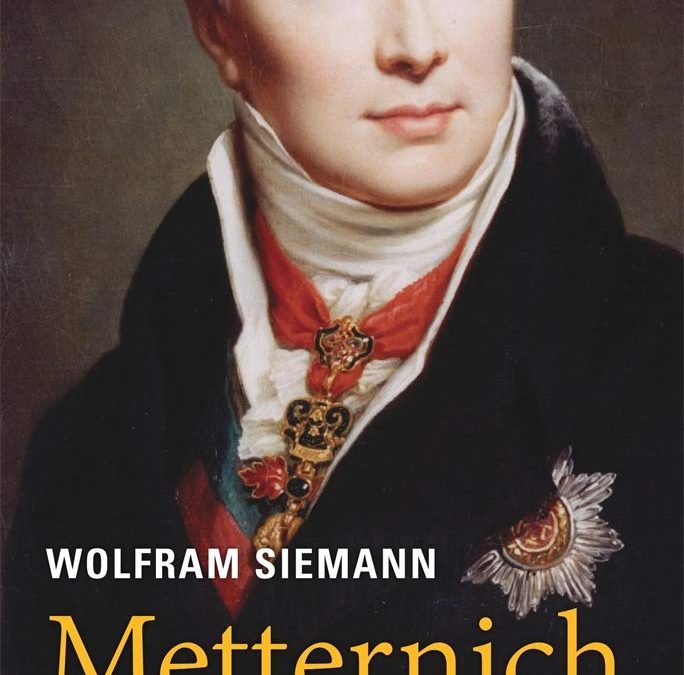
Metternich: Strategist and Visionary by Wolfram Siemann. Belknap Press/Harvard University Press, 2019. Hardcover, 928 pages, $40. Reviewed by James Baresel Few nineteenth-century statesman are as famed for their positive contributions to Europe’s practical politics as...
Marriage Can Change Everything
Jack: A Novel by Marilynne Robinson. Farrar, Straus and Giroux 2020. Hardcover, 320 pages, $27. Reviewed by J. L. Wall Why, I ask students who are reading Marilynne Robinson’s Gilead, does John Ames never directly give us his wife’s name? It’s only learned late in the...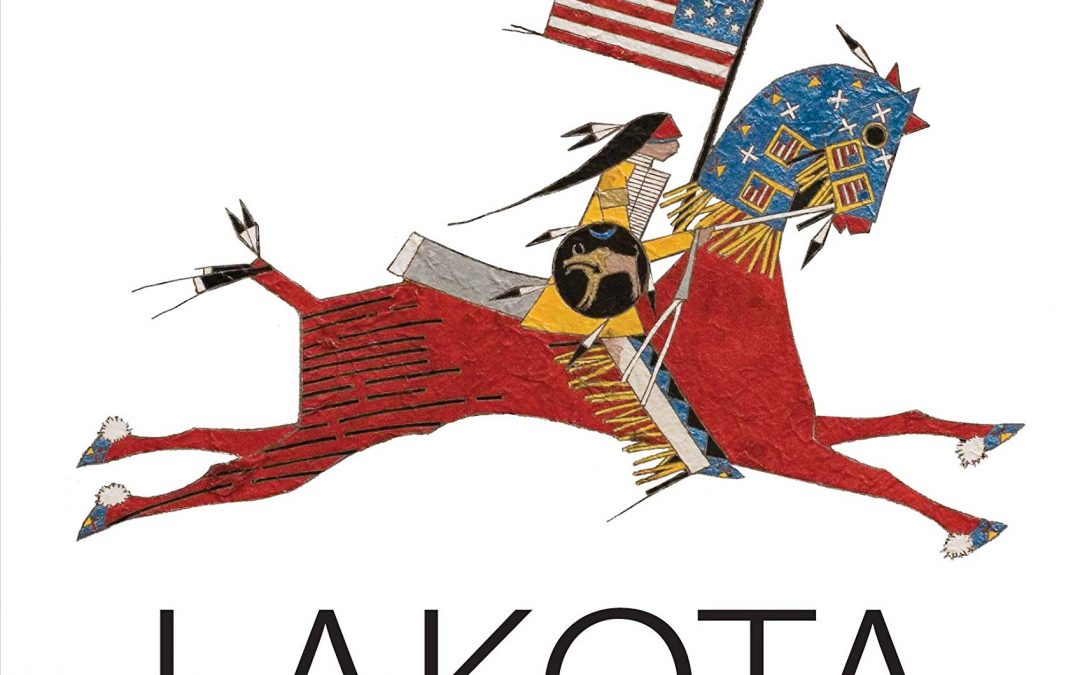
The Lakota: A Human Story
Lakota America: A New History of Indigenous Power by Pekka Hämäläinen. Yale University Press, 2019. Hardcover, 544 pages, $35. Revivewed by Santi Ruiz On this year’s Indigenous People’s Day I encountered a curious phenomenon. My social circles are largely...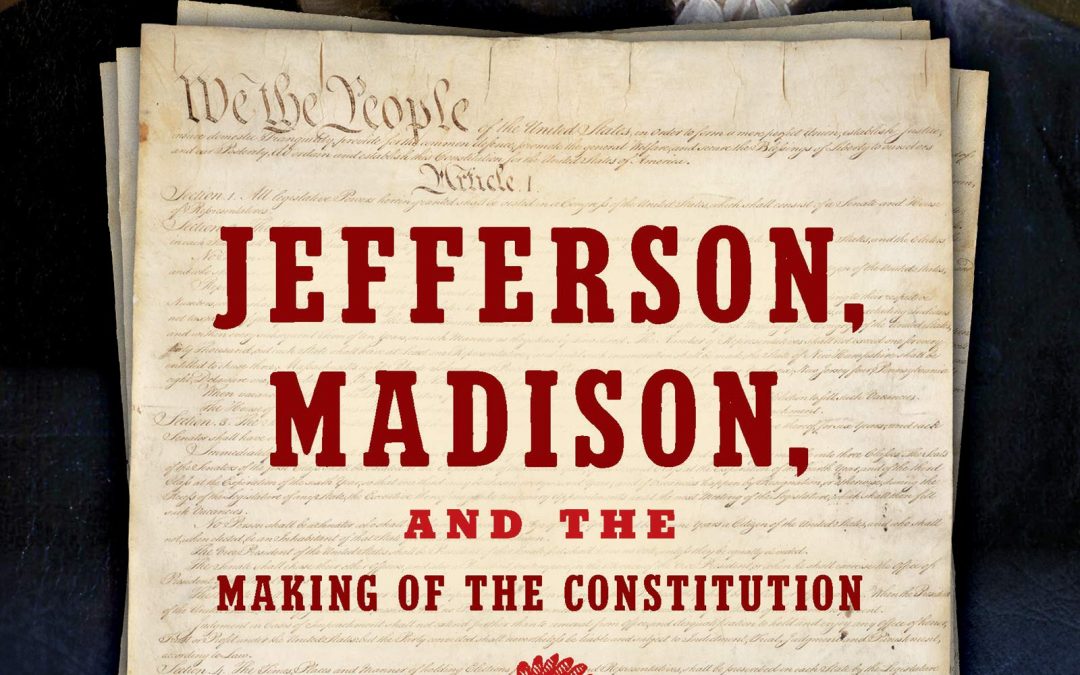
Holding a Wolf by the Ears
Jefferson, Madison, and the Making of the Constitution by Jeff Broadwater. University of North Carolina Press, 2019. Hardcover, 296 pages, $30. Reviewed by Jason Ross No friendship in American history has been as consequential as that between Thomas Jefferson and...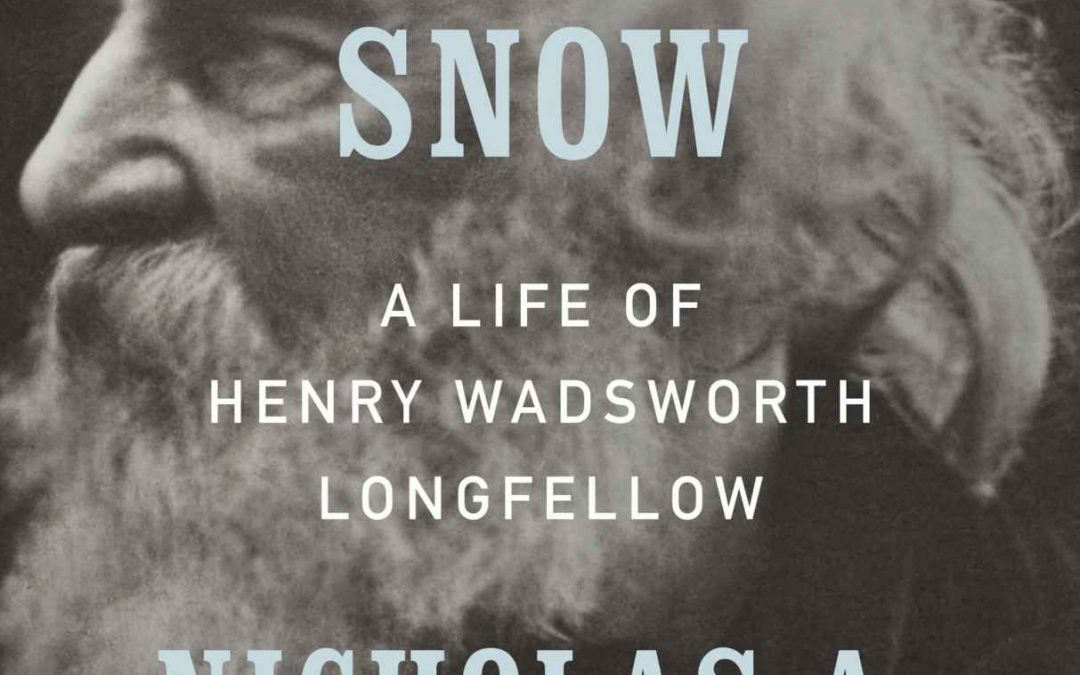
A Life for the Longfellow Renaissance
Cross of Snow: A Life of Henry Wadsworth Longfellow by Nicholas A. Basbanes. Knopf, 2020. Hardcover, 461 pages, $37.50. Reviewed by William F. Meehan III Henry Wadsworth Longfellow faded so far into American cultural memory that it is easy to forget he was the...

Did you hear? This month a generous supporter has offered to MATCH every gift up to $5k for the Kirktober campaign in support of the mission of @ubookman: https://buff.ly/PECA0Az.
@ubookman @NadyaWilliams81 "The past couple of years have been a time of seemingly endless jeremiads about the decline of reading, literacy, and books..in the midst of such chaos, @ubookman simply continues to review ‘books that build culture’—a mission to which I am honored to contribute.”