
Tolkien’s Yuletide Fiction
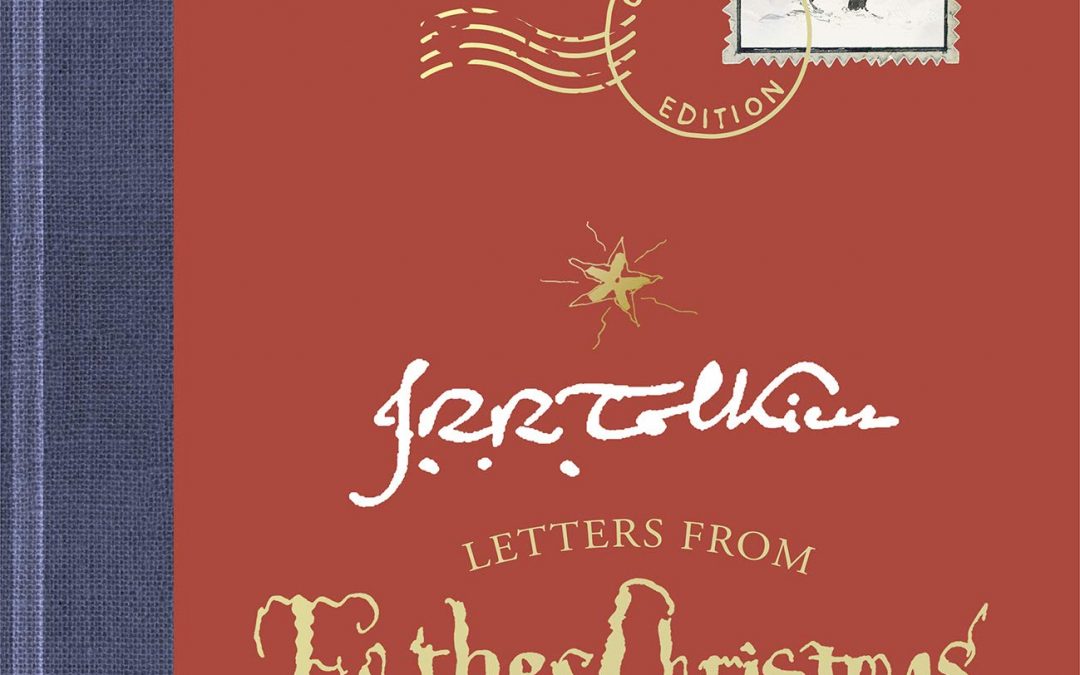
Letters from Father Christmas by J. R. R. Tolkien Houghton Mifflin Company, 2020. Hardcover, 208 pages, $28. Reviewed by John Tuttle The name Tolkien is first and foremost associated with what is widely acknowledged as the man’s chief literary creation, The...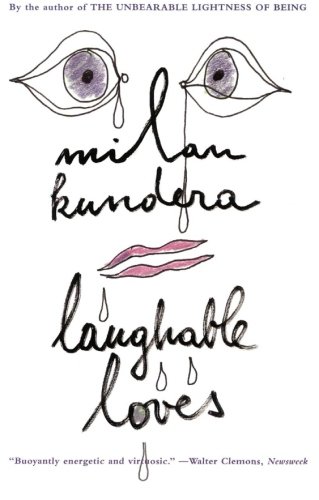
The Risks of Levity
Milan Kundera, Ambiguous Prophet Trevor C. Merrill “Those no longer able to see reality with their own eyes are equally unable to hear correctly,” writes Josef Pieper. “It is specifically the man thus impoverished who inevitably falls prey to the demagogical spells of...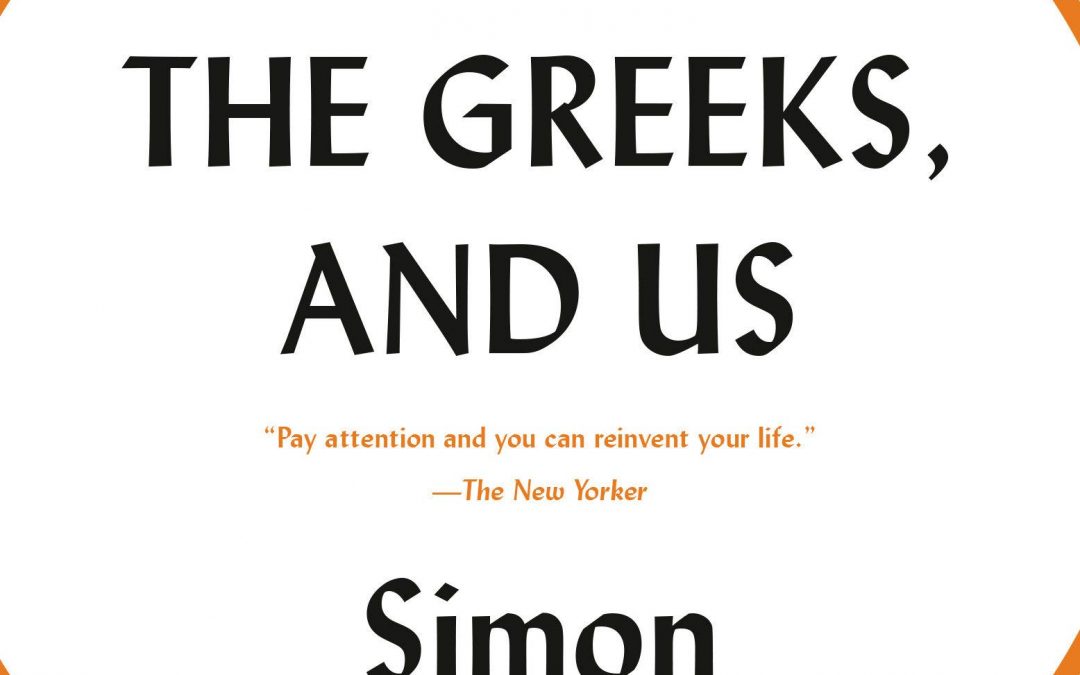
The Ancient-Modern Quarrel over Tragedy
Tragedy, the Greeks, and Us By Simon Critchley. Vintage Books, 2020. Paperback, 322 pages. $17. Reviewed by Grant Havers The day after the passing of Sir Winston Churchill in 1965, Leo Strauss delivered a philosophical eulogy to his students, contrasting “the...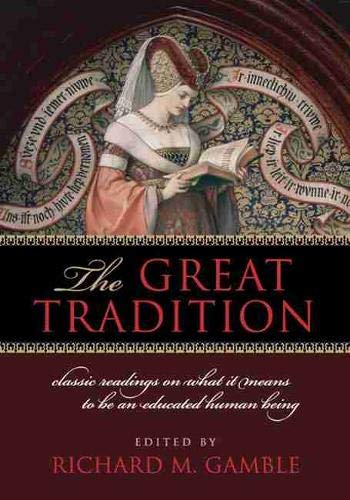
What Literature Makes Happen
E. J. Hutchinson What is literature for? Any number of things, one supposes—pleasure, say, or escape. But does it do anything else? In a frequently used and even more frequently misunderstood phrase, Auden says that “poetry makes nothing happen.”[1] But what if...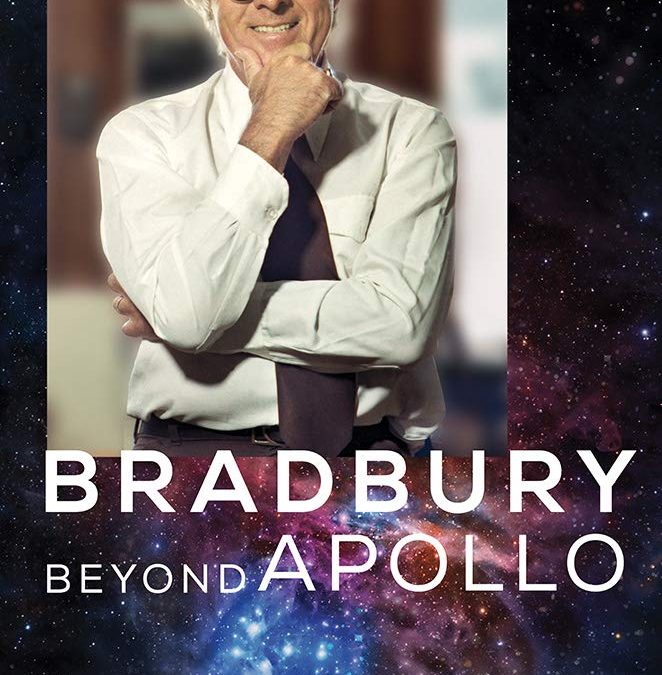
Bradbury in the Afternoon
Bradbury Beyond Apollo by Jonathan R. Eller. University of Illinois Press, 2020. Hardcover, 336 pages. $35. Reviewed by James E. Person Jr. Anyone who considers the life and career of Ray Bradbury (1920–2012) is eventually struck by a remarkable fact: although the...

Did you hear? This month a generous supporter has offered to MATCH every gift up to $5k for the Kirktober campaign in support of the mission of @ubookman: https://buff.ly/PECA0Az.
@ubookman @NadyaWilliams81 "The past couple of years have been a time of seemingly endless jeremiads about the decline of reading, literacy, and books..in the midst of such chaos, @ubookman simply continues to review ‘books that build culture’—a mission to which I am honored to contribute.”