
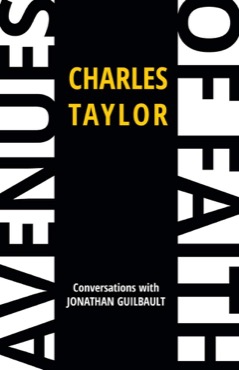
Wild, and the Problem of Evil
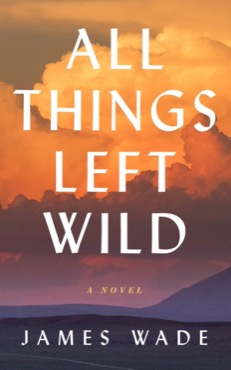
All Things Left Wild: A Novel by James Wade. Blackstone Publishing, 2020. Hardcover, 304 pages, $28. Reviewed by Christopher Landrum Life in itself is neither good nor evil; it is the scene of good or evil, as you make it. And, if you have lived a day, you have seen...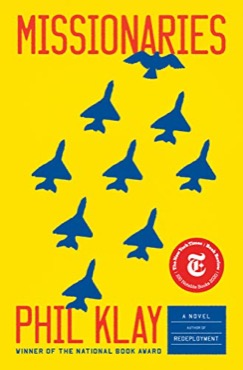
‘God, If There Was a God’
Missionaries: A Novel by Phil Klay. Penguin Press, 2020, Hardcover, 416 pages, $28. Reviewed by Joshua Hren It isn’t surprising that Joseph Ratzinger’s Introduction to Christianity begins by immersing us in the rejection thereof, the highways of doubt and the...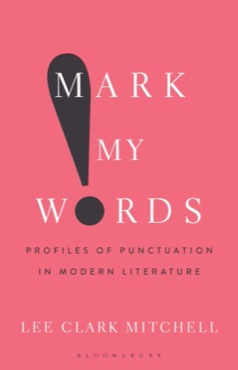
The Place of Punctuation in Literary Art
Mark My Words: Profiles of Punctuation in Modern Literature by Lee Clark Mitchell. Bloomsbury Academic, 2020. Softcover, 166 pages, $15. Reviewed by Oliver Spivey Many literature professors have long expressed their embarrassment at simply professing literature. Not...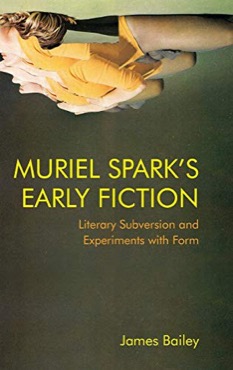
The Girl of Slender Meanings
Muriel Spark’s Early Fiction: Literary Subversion and Experiments with Form by James Bailey. University of Edinburgh Press, 2021. Hardback, 224 pages, $100. Reviewed by Asher Gelzer-Govatos Reading critical approaches to a favorite author can be an exercise in futile...
Celebrate Russell Kirk's birthday (today) with a rich dessert, a ghostly tale, and a contribution to The University Bookman:

I can't praise @ubookman highly enough. If it's not a part of your reading life, it should be.
Should you have the ability, they are very much deserving of your support. I hope you'll consider donating to their Kirktober fundraiser, as I have done.