Mental Anchors for Information Overload
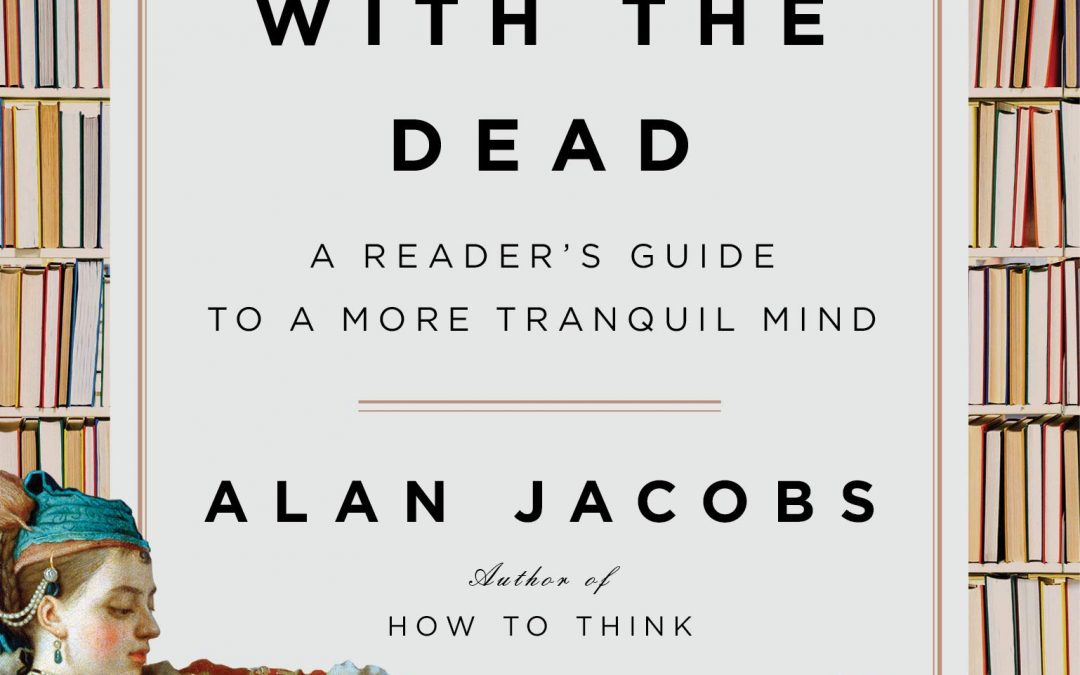
Breaking Bread with the Dead: A Reader’s Guide to a More Tranquil Mind by Alan Jacobs. Penguin Press, 2020. Hardcover, 192 pages, $25. Reviewed by Kevin Holtsberry An old man in an Italian farmhouse muses to his friend: “What brings tranquility? What makes you...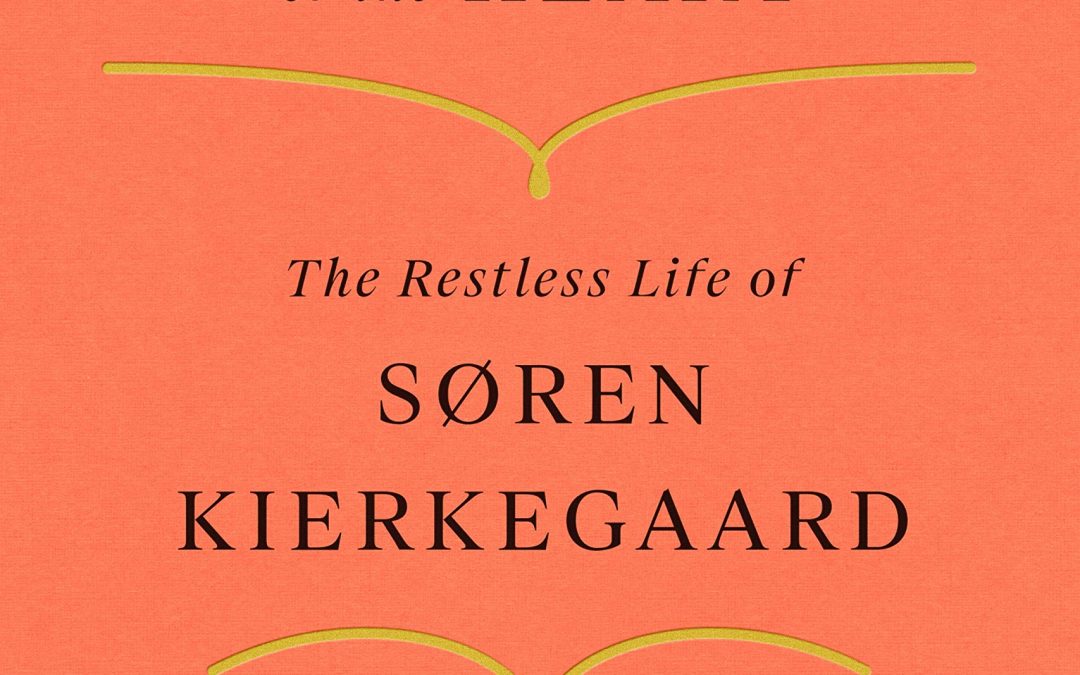
Kierkegaard Is for Lovers
Philosopher of the Heart: The Restless Life of Søren Kierkegaard by Clare Carlisle. Farrar, Straus and Giroux, 2020. Hardback, 339 pages, $30. Reviewed by Asher Gelzer-Govatos It is relatively easy, if perhaps a bit crude, to draw a dividing line between two groups of...
Innovation Through Constraint
How to Think Like Shakespeare by Scott Newstok. Princeton University Press, 2020. Hardback, xv + 185 pages, $19.95. Reviewed by Matthew Stewart Scott Newstok has written a delightful book about modern education in the guise of a Shakespearean analysis. He succeeds in...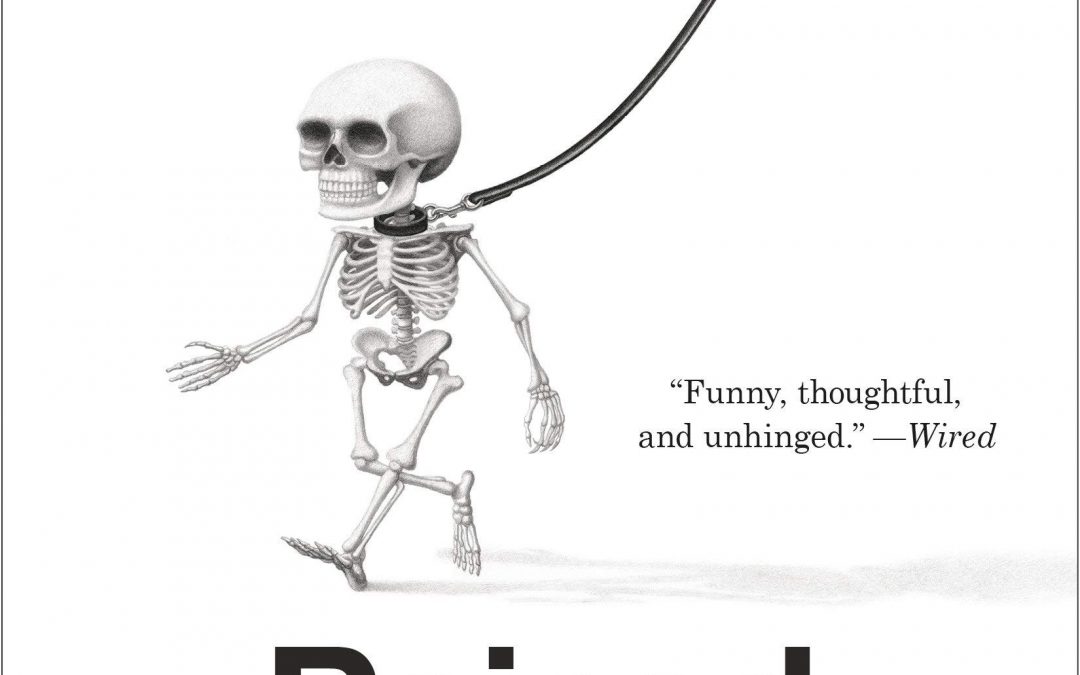
Properly Dangerous Ideas
Raised in Captivity: Fictional Nonfiction by Chuck Klosterman. Penguin Press, 2019. Hardcover, 320 pages, $26.00 Chris Butynskyi Ideas are dangerous. Most people would agree that a certain level of danger and harm can take root in ideas. Culture, too, is dangerous....
Celebrate Russell Kirk's birthday (today) with a rich dessert, a ghostly tale, and a contribution to The University Bookman:

I can't praise @ubookman highly enough. If it's not a part of your reading life, it should be.
Should you have the ability, they are very much deserving of your support. I hope you'll consider donating to their Kirktober fundraiser, as I have done.