
The University Bookman
Reviewing Books that Build Culture
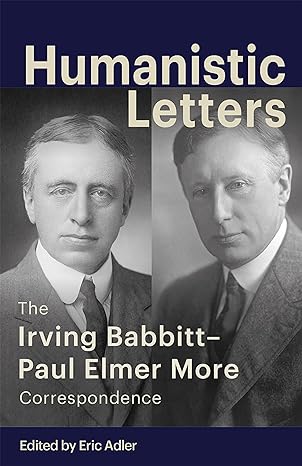
We Few, We Happy Few
“For a humanistic revival to have a chance in the present, those attracted to the ideas of Babbitt and More need to forge friendships, foster communities, and coordinate efforts to bring these ideas to bear on the culture.”

Of Man and Lost Time
“Herzog’s tale explores the surreal quality of a modern-day Robinson Crusoe-like story of a man who has lived in what appears to be a dream world.”
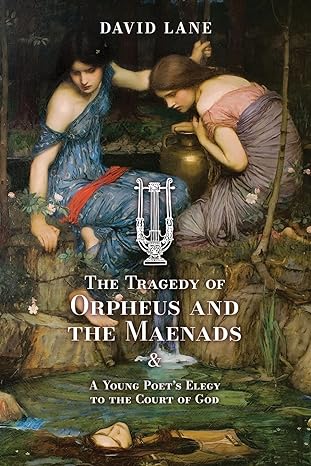
Left to Madness
“This story of Orpheus reveals the immense value of the role of the poet in society.”
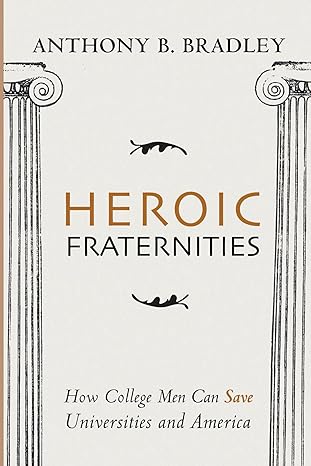
The Crisis of Brotherhood and the Need for Heroic Fraternities
“Bradley believes… that we need to take a hard look at the institutional opportunities that still exist to encourage boys to become men of heroic virtue.”

St. Thomas Aquinas With a Southern Drawl
“…Aquinas provides the framework for a new and impressive book on Flannery O’Connor by Fr. Damian Ference…”

The Novel: We Need It
“What is at stake is the development of a sense of humane understanding, and the decline of this form of understanding surely has much to do with the mounting divisiveness and partisanship in our society today.”

Good Economics on a Human Scale
“Alexander Salter has written an important book, examining how the political program of distributism can inform contemporary debates about political economy.”

Romano Guardini: A Man of His Times, A Man for Our Own
“…Guardini offers penetrating insights into what he would describe as the end of the modern world, a time in which he saw an old age fading into a new, now called ‘postmodern,’ one.”

Troublesome Corporeality: Mysticism, Gnosticism, and Sacramentality in The Rabbit Hutch
“Although Gunty openly rejects her Catholic faith, the remnants of her upbringing—especially her fascination with Christian mysticism—pervade The Rabbit Hutch, especially in the life of the novel’s heroine, 18-year-old orphan Blandine Watkins…”
The Book Gallery
A collection of conversations with Bookman editor Luke C. Sheahan and writers and authors of imagination and erudition. Click on the icon in the upper right corner of the video to see more episodes in this series or check out our YouTube page.

Shop through Creed and Culture Publishing