The University Bookman
Reviewing Books that Build Culture
Join Kirktober and help support the mission of the University Bookman
Each week the Bookman brings you fresh reviews of the books that build culture, and essays that enliven the Permanent Things. Last year nearly 90,000 visitors engaged with the Bookman’s reviews, all free of charge and with no advertising to disrupt the reading experience. Our writers are touching hearts and minds across the globe with their reviews, bringing wisdom, creativity, and beauty to bear on the most important conversations happening in literature and culture.
Would you consider a gift to help us continue this work?
If just 1 in 4 of our readers contributed $10, we’d dramatically increase our capacity to recruit the brightest young writers and tackle more books and topics, all with a Kirkian angle. We’ve set a goal of raising $20k this month in order to continue our mission. Exceeding this amount will allow us to expand our work even more.
If you love the Bookman, and read us with regularity, we’d greatly appreciate your generous support this month.
With gratitude,
Luke Sheahan, Ph.D., editor
The University Bookman
P.S. As a special thank you to all Bookman supporters this month, we’ll send you a link to an audio recording of Ex Tenebris, one of Kirk’s best ghostly short stories. We think you’ll really enjoy it.
Campaign Progress
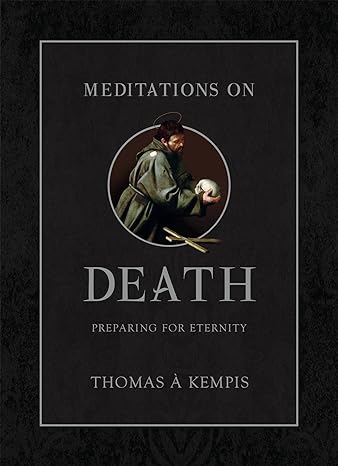
The Lost Art of Memento Mori
“To acknowledge and respect the end to which we are destined, to meditate and learn to bear the thought of it—this is one of the ancient disciplines which we have, beyond all argument, let fall into oblivion, and which we must, past all denial, dedicate ourselves to recovering.”
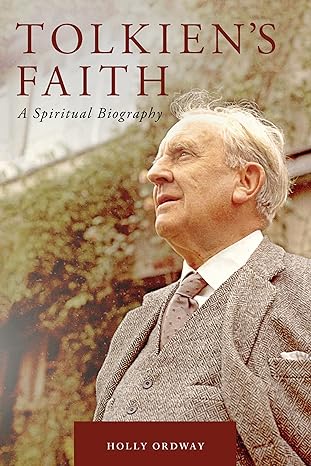
Fundamentally Religious and Catholic
“…a comprehensive portrait of Tolkien’s religious life and thought has been lacking. Holly Ordway supplies that needed ‘spiritual biography’ decisively. Through exhaustive research and insightful analysis, she recounts Tolkien’s lifelong, tested, textured engagement with Roman Catholicism, and thereby establishes how fundamental it was to his identity as a person and a writer.”

A Contemporary Literary Work of the Moral Imagination
“Readers of this volume will find all ten stories insightful and carefully crafted, and they are worthy of the authors who inspired Schock’s abiding love of speculative fiction.”
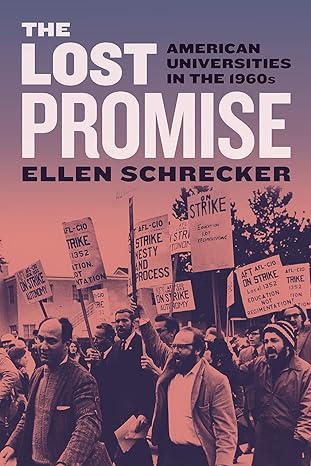
Must the University Be Political?
“Should academic departments and scholarly societies issue position statements on current political matters? The practice is increasingly common today, but it still sparks debate…
This current debate has roots in the late 1960s, as Ellen Schrecker shows in her sprawling book…”
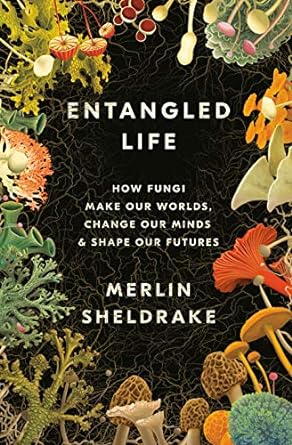
What Do Fungi Have to Do with Athens?
“[Sheldrake] hasn’t produced a polemic against the ideal of the self-sufficient liberal political subject, or even a policy brief in favor of honoring our interdependence with the natural world. Instead he just invites readers to consider whether, perhaps, they are lichen.”
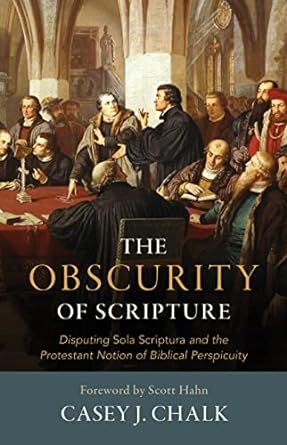
Perspicuity at the Bar of History
“In what is undoubtedly the most comprehensive treatment of the topic to date, Chalk’s book meticulously breaks down the history and philosophy behind perspicuity, arguing that the doctrine has ultimately failed to achieve both spiritual truth and Christian unity.”
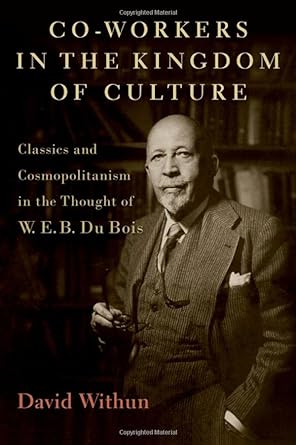
The Classically Educated Mind of W. E. B Du Bois
“A study of [Du Bois’s] classicism and cosmopolitanism is necessary and cannot be laden with popular agendas, especially since Du Bois himself sought reconciliation between seemingly opposing worlds.”
Cormac McCarthy’s Historical Literary Influences
“…this book is an essential companion for anyone interested in a deeper scholarly and thematic treatment of McCarthy and his works.”
Two Cities: The Public and the Private
“The era of superlatives, the French Revolution, was the time when real people, tired of their private sufferings, abandoned their real names to become citoyens… Liberté, Egalité, Fraternité, and other pompous terms, took the place of the real, little, and unwordable affections, turning friends into foes, in the name of an unreal solidarity.”
The Book Gallery
A collection of conversations with Bookman editor Luke C. Sheahan and writers and authors of imagination and erudition. Click on the icon in the upper right corner of the video to see more episodes in this series or check out our YouTube page.


@ubookman Plus every donor will receive a new audio recording of Kirk's "Ex Tenebris," a great ghostly listen! Help @ubookman reach $20k and continue to review the books that build culture: https://buff.ly/MLnMl4e
Did you hear? This month a generous supporter has offered to MATCH every gift up to $5k for the Kirktober campaign in support of the mission of @ubookman: https://buff.ly/PECA0Az.
Shop through Creed and Culture Publishing