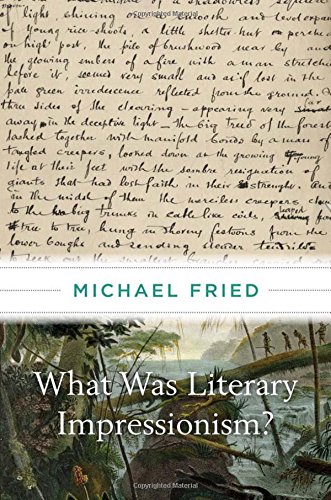
What Was Literary Impressionism? by Michael Fried. Harvard University Press, 2018. Hardcover, 408 pages, $46.50. Reviewed by Gregory Castle Impressionism arose in late-nineteenth century European and American literary art in response to a crisis in interpretation, a...
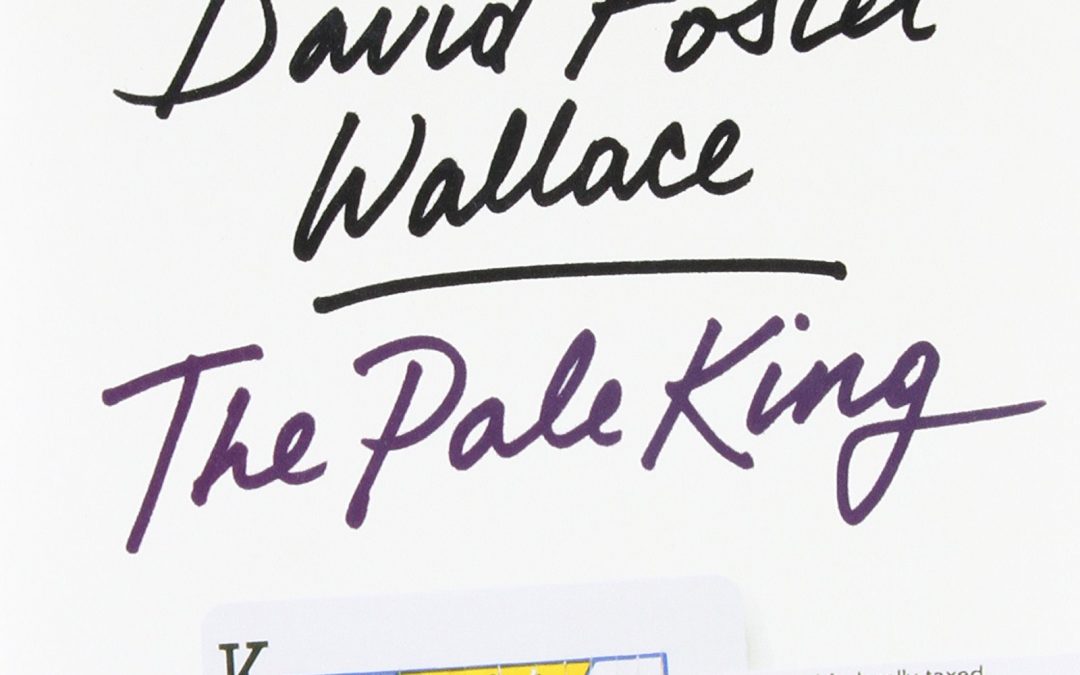
The Pale King by David Foster Wallace. Back Bay Books, 2012. Paperback, 597 pages, $18. Reviewed by Eve Tushnet At a certain point you realize that David Foster Wallace is as much a horror writer as Stephen King, and the monsters under his bed are twins: absorption...
The Essential Works of Thomas More Ed. by Gerard B. Wegemer and Stephen W. Smith. Yale University Press, 2020. Hardcover, 1520 pages, $100. Reviewed by Kenneth Craycraft Three scenes from A Man for All Seasons, Robert Bolt’s play about the elevation and martyrdom of...
Paradise Lost: A Primer by Michael Cavanagh. Catholic University of America Press, 2020. Paperback, 256 pages, $30. Reviewed by Casey Chalk There’s great value in reading fictional literature that imagines hell, devils, and the origin of evil—and it’s not just because...
The Topeka School: A Novel by Ben Lerner. Farrar, Straus and Giroux, 2019. Hardcover, 304 pages, $27. Reviewed by Jon K. Lauck Ben Lerner has written an intense new novel that will mark our cultural moment for some time, even in these strange days, but in ways that,...
Liberalism, Socialism, and Subordination
Bruce P. Frohnen on "The Windmills of Sancho Panza" by Tage Lindbom, translated by Oliver Fotros, introduction by Claes G. Ryn.
"Hemingway is blind to the preternatural dimension of reality. Nothing in Hemingway speaks to human expectations or answers our deepest human desires—creatures ill at ease in time and seeking the eternal. In Hemingway there is no wonder or awe toward creation."