The University Bookman
Reviewing Books that Build Culture
Join Kirktober and help support the mission of the University Bookman
Each week the Bookman brings you fresh reviews of the books that build culture, and essays that enliven the Permanent Things. Last year nearly 90,000 visitors engaged with the Bookman’s reviews, all free of charge and with no advertising to disrupt the reading experience. Our writers are touching hearts and minds across the globe with their reviews, bringing wisdom, creativity, and beauty to bear on the most important conversations happening in literature and culture.
Would you consider a gift to help us continue this work?
If just 1 in 4 of our readers contributed $10, we’d dramatically increase our capacity to recruit the brightest young writers and tackle more books and topics, all with a Kirkian angle. We’ve set a goal of raising $20k this month in order to continue our mission. Exceeding this amount will allow us to expand our work even more.
If you love the Bookman, and read us with regularity, we’d greatly appreciate your generous support this month.
With gratitude,
Luke Sheahan, Ph.D., editor
The University Bookman
P.S. As a special thank you to all Bookman supporters this month, we’ll send you a link to an audio recording of Ex Tenebris, one of Kirk’s best ghostly short stories. We think you’ll really enjoy it.
Campaign Progress
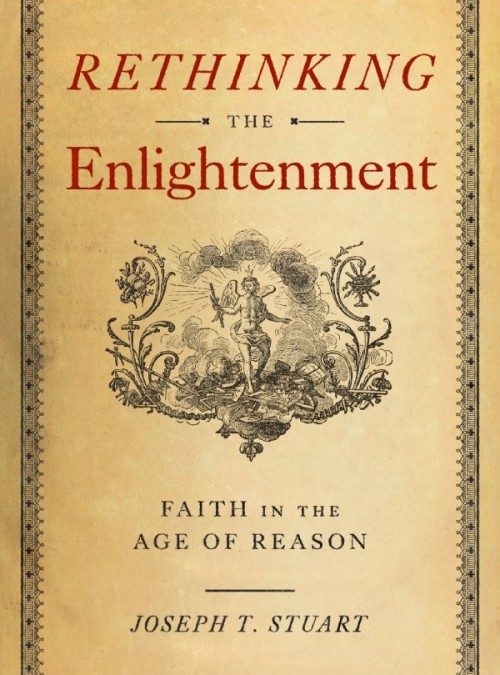
The Catholic Enlightenment
“Stuart’s work reminds us that the greatest enemy of the Faith is its abuse by those who profess it.”
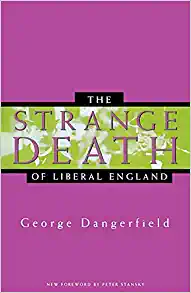
Tory Violence and Liberal Weakness: An Appreciation of George Dangerfield’s The Strange Death of Liberal England
“Dangerfield’s portrait of those critical years before World War I is not a full scale scholarly investigation of the dramatic events of the issues that divided England but is rather an imaginative impressionistic portrait of the period…”
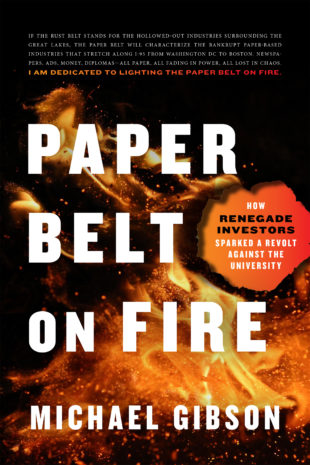
Will Blowing Up the Universities Really Work?
“Increasingly, a long and seemingly irrelevant college education… must seem like a paper belt.”
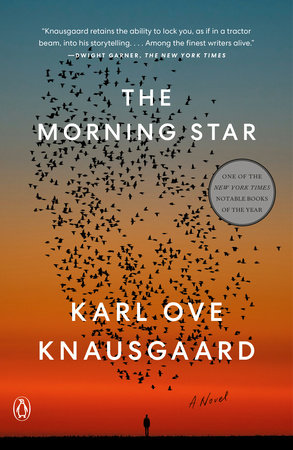
A Modern Dostoevsky–Almost
“Knausgaard’s latest novel… is perhaps the closest we can hope to come to Dostoevsky this side of nineteenth century Russia.”
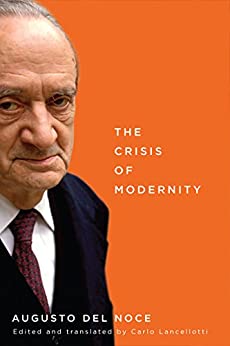
Kirk and Del Noce: Two Philosophers Connected through History
“The connections between Del Noce and Kirk provide fresh insights to wade through today’s cultural, philosophical, and political upheavals.”
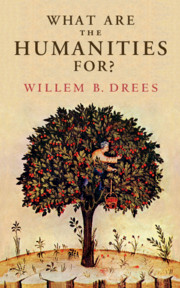
Liberal Education in the Progressive University
“In opposition to much of the postmodern academy, Drees puts forward the quest for objective knowledge as the standard for responsible scholarship.”
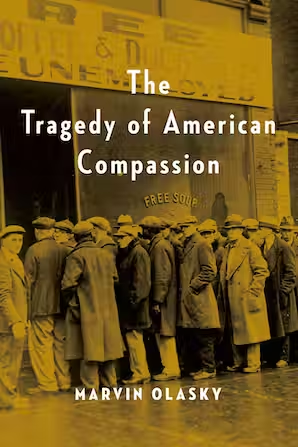
Helping Those Who Help Themselves
“…what does it mean to be compassionate, and who are the needy?”
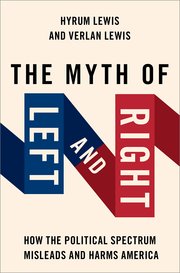
Essentially Lying About the Left and Right
“Ideology allows us to hide the fact that we are really a tribal people…”
The Troubled Science of the Middle East
“Sectarian identity does indeed fluctuate in importance in the Middle East, but it is always present not far under the surface…”
The Book Gallery
A collection of conversations with Bookman editor Luke C. Sheahan and writers and authors of imagination and erudition. Click on the icon in the upper right corner of the video to see more episodes in this series or check out our YouTube page.

Celebrate Russell Kirk's birthday (today) with a rich dessert, a ghostly tale, and a contribution to The University Bookman:

I can't praise @ubookman highly enough. If it's not a part of your reading life, it should be.
Should you have the ability, they are very much deserving of your support. I hope you'll consider donating to their Kirktober fundraiser, as I have done.
Shop through Creed and Culture Publishing