The University Bookman
Reviewing Books that Build Culture
Join Kirktober and help support the mission of the University Bookman
Each week the Bookman brings you fresh reviews of the books that build culture, and essays that enliven the Permanent Things. Last year nearly 90,000 visitors engaged with the Bookman’s reviews, all free of charge and with no advertising to disrupt the reading experience. Our writers are touching hearts and minds across the globe with their reviews, bringing wisdom, creativity, and beauty to bear on the most important conversations happening in literature and culture.
Would you consider a gift to help us continue this work?
If just 1 in 4 of our readers contributed $10, we’d dramatically increase our capacity to recruit the brightest young writers and tackle more books and topics, all with a Kirkian angle. We’ve set a goal of raising $20k this month in order to continue our mission. Exceeding this amount will allow us to expand our work even more.
If you love the Bookman, and read us with regularity, we’d greatly appreciate your generous support this month.
With gratitude,
Luke Sheahan, Ph.D., editor
The University Bookman
P.S. As a special thank you to all Bookman supporters this month, we’ll send you a link to an audio recording of Ex Tenebris, one of Kirk’s best ghostly short stories. We think you’ll really enjoy it.
Campaign Progress

In Memory Of Gerald J. Russello, 1971-2021
A poem by Eugene Schlanger.
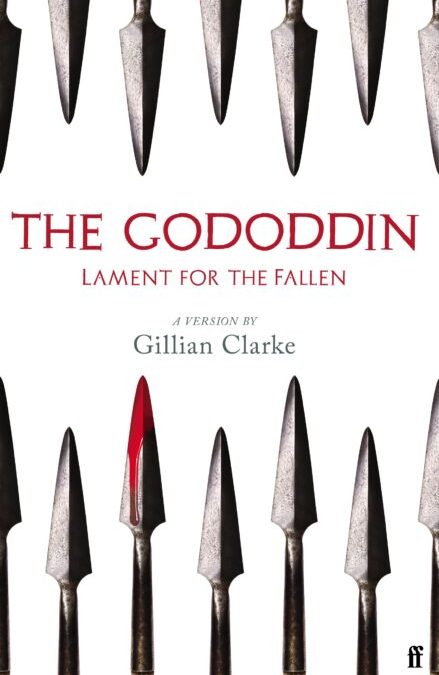
Men Rode to Catraeth
“Clarke reworks one of the most significant early Welsh poems into a modern song that anyone can appreciate. She reminds us that poetry must first and foremost move its readers, must cast a spell of words and rhythm that incites our passions and our imaginations.”

American Hegemony in Higher Education
“…Kirby examines the birth of the research university and its integration with the liberal education model in a global and comparative context.”
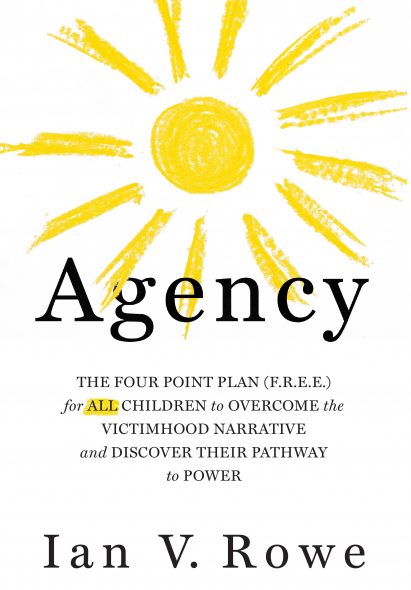
The Causes of Moral Agency
“Particularly in these hyper-polarized times, conservatives should be the first to break out of the blame-the-system-versus-blame-the-victim false dichotomy.”

Resurrecting John Keats
“Lucasta Miller, in her brilliant new book on Keats, writes, ‘To read him is to participate in an invisible web that has connected human beings over millennia via the literary imagination.'”

Partisan Citizens
“Citizenship demands open-minded discourse among persons from different backgrounds and with varying ideas in the interest of forming and preserving a consensus concerning the most advisable form of government.”
Navigating the “In Between” of Belief
“…Desmond offers many incisive and rich critiques of an atheistic contemporary world as well as of static and insufficient presentations of religious belief, all from within his particular conceptual framework.”
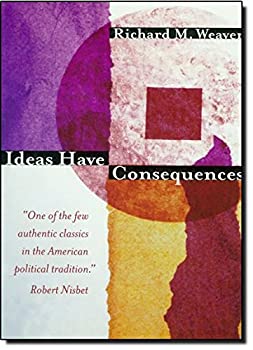
Richard Weaver Explained Our Cultural Predicament Over 70 Years Ago
“The past shows unvaryingly that when a people’s freedom disappears, it goes not with a bang, but in silence amid the comfort of being cared for. That is the dire peril in the present trend toward statism.” – Richard Weaver

The Traditions That Gave Us Homer
“Parry… ultimately became the most influential Classical—and perhaps literary—scholar of the twentieth-century precisely because he was able to side-step the Homeric Question altogether.”
The Book Gallery
A collection of conversations with Bookman editor Luke C. Sheahan and writers and authors of imagination and erudition. Click on the icon in the upper right corner of the video to see more episodes in this series or check out our YouTube page.


Have you read Russell Kirk’s fiction? My dad used to joke that ppl thought there must be two different authors by the same name—one who wrote serious political tomes and the other who wrote supernatural fiction. Story offer below.

What is is like to visit the home of the traditional conservative movement in America?
@mich_enjoyer recently visited the Kirk Center in Mecosta and offers an immersive look at the grounds and ongoing programming of the @KirkCenter.
Shop through Creed and Culture Publishing