The University Bookman
Reviewing Books that Build Culture
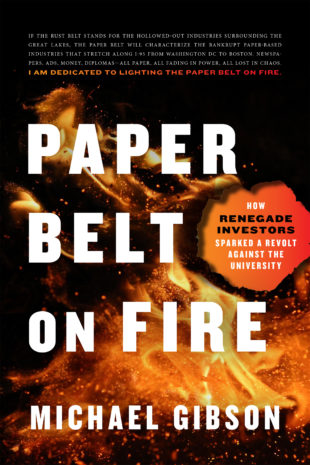
Will Blowing Up the Universities Really Work?
“Increasingly, a long and seemingly irrelevant college education… must seem like a paper belt.”
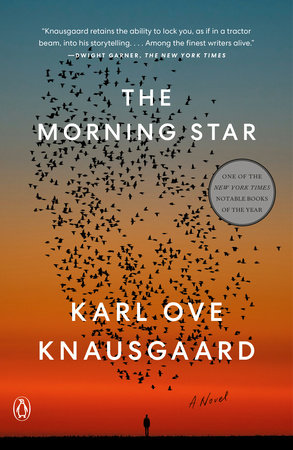
A Modern Dostoevsky–Almost
“Knausgaard’s latest novel… is perhaps the closest we can hope to come to Dostoevsky this side of nineteenth century Russia.”
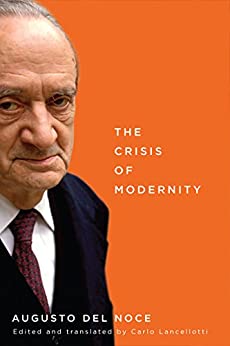
Kirk and Del Noce: Two Philosophers Connected through History
“The connections between Del Noce and Kirk provide fresh insights to wade through today’s cultural, philosophical, and political upheavals.”
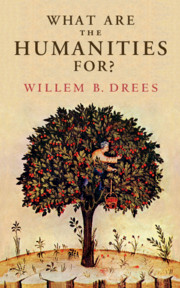
Liberal Education in the Progressive University
“In opposition to much of the postmodern academy, Drees puts forward the quest for objective knowledge as the standard for responsible scholarship.”
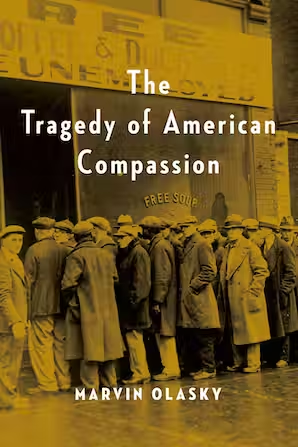
Helping Those Who Help Themselves
“…what does it mean to be compassionate, and who are the needy?”
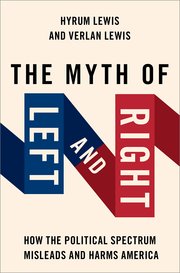
Essentially Lying About the Left and Right
“Ideology allows us to hide the fact that we are really a tribal people…”
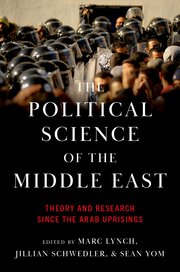
The Troubled Science of the Middle East
“Sectarian identity does indeed fluctuate in importance in the Middle East, but it is always present not far under the surface…”
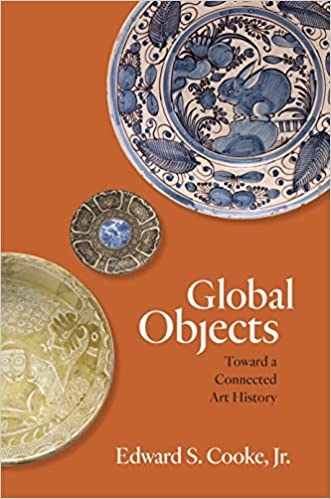
All Too Human After All
“…Edward S. Cooke, Jr. attempts to provide not only a new history of world art, but a new (potentially very controversial), innovative method of examining human cultural artifacts.”
What We Should Have Known About Pandemics and Politics Before COVID
“What was missing from much of the media coverage of this most recent pandemic was a sense of history. It represented not a novel human catastrophe but instead merely the latest of a long series of pandemics that have beset humankind, going back to the beginnings of recorded history and beyond.”
The Book Gallery
A collection of conversations with Bookman editor Luke C. Sheahan and writers and authors of imagination and erudition. Click on the icon in the upper right corner of the video to see more episodes in this series or check out our YouTube page.

A Man for All Seasons
@BradleyCSWatson (@HillsdaleInDC) on "Dispatches from the Late Republic: The Culture, Politics, and Prophets of American Greatness, Decline, and Rebirth" by Michael Anton. @EncounterBooks
Shop through Creed & Culture
Support the Kirk Center
& University Bookman